Ziprasidone Mesylate For Injection
1ffd16c3-25ac-4839-9ea9-4efd32926b95
34391-3
HUMAN PRESCRIPTION DRUG LABEL
Drug Facts
Composition & Product
Identifiers & Packaging
Indications and Usage
Ziprasidone mesylate for injection is indicated for the treatment of schizophrenia, as monotherapy for the acute treatment of bipolar manic or mixed episodes, and as an adjunct to lithium or valproate for the maintenance treatment of bipolar disorder. Ziprasidone mesylate for injection intramuscular is indicated for acute agitation in schizophrenic patients. When deciding among the alternative treatments available for the condition needing treatment, the prescriber should consider the finding of ziprasidone's greater capacity to prolong the QT/QTc interval compared to several other antipsychotic drugs [see Warnings and Precautions (5.3) ] . Prolongation of the QTc interval is associated in some other drugs with the ability to cause torsade de pointes-type arrhythmia, a potentially fatal polymorphic ventricular tachycardia, and sudden death. In many cases this would lead to the conclusion that other drugs should be tried first. Whether ziprasidone will cause torsade de pointes or increase the rate of sudden death is not yet known [see Warnings and Precautions (5.3) ] .
Dosage and Administration
Acute treatment of agitation associated with schizophrenia (intramuscular administration): 10 mg–20 mg up to a maximum dose of 40 mg per day. Doses of 10 mg may be administered every 2 hours. Doses of 20 mg may be administered every 4 hours. ( 2.4 )
Contraindications
Do not use in patients with a known history of QT prolongation ( 4.1 ) Do not use in patients with recent acute myocardial infarction ( 4.1 ) Do not use in patients with uncompensated heart failure ( 4.1 ) Do not use in combination with other drugs that have demonstrated QT prolongation ( 4.1 ) Do not use in patients with known hypersensitivity to ziprasidone ( 4.2 ) • Concomitant use of monoamine oxidase inhibitors (MAOIs) or use within 14 days of stopping MAOIs. (4.3)
Warnings and Precautions
Cerebrovascular Adverse Reactions in Elderly Patients with Dementia-Related Psychosis: Increased incidence of cerebrovascular adverse reactions (e.g., stroke, transient ischemic attack). ( 5.2 ) QT Interval Prolongation :Ziprasidone mesylate for injection use should be avoided in patients with bradycardia, hypokalemia or hypomagnesemia, congenital prolongation of the QT interval, or in combination with other drugs that have demonstrated QT prolongation. ( 5.3 ) Serotonin Syndrome : Increased risk when co-administered with other serotonergic agents, but also when taken alone. If it occurs, discontinue Ziprasidone mesylate for injection and serotonergic agents and initiate supportive treatment. (5.4) Neuroleptic Malignant Syndrome (NMS): Potentially fatal symptom complex has been reported with antipsychotic drugs. Manage with immediate discontinuation of drug and close monitoring. ( 5. 5) Severe Cutaneous Adverse Reactions , such as Drug Reaction with Eosinophilia and Systemic Symptoms (DRESS) and Stevens-Johnson syndrome has been reported with ziprasidone exposure. DRESS and other Severe Cutaneous Adverse Reactions (SCAR) are sometimes fatal. Discontinue ziprasidone mesylate for injection if DRESS or SCAR are suspected. ( 5. 6) Tardive Dyskinesia : May develop acutely or chronically. ( 5. 7) Metabolic Changes : Atypical antipsychotic drugs have been associated with metabolic changes that may increase cardiovascular/ cerebrovascular risk. These metabolic changes include hyperglycemia, dyslipidemia, and weight gain. ( 5. 8) Hyperglycemia and Diabetes Mellitus (DM): Monitor all patients for symptoms of hyperglycemia including polydipsia, polyuria, polyphagia, and weakness. Patients with DM risk factors should undergo blood glucose testing before and during treatment. ( 5. 8) Dyslipidemia: Undesirable alterations have been observed in patients treated with atypical antipsychotics. ( 5. 8) Weight Gain: Weight gain has been reported. Monitor weight gain. ( 5. 8) Rash : Discontinue in patients who develop a rash without an identified cause. ( 5.9 ) Orthostatic Hypotension : Use with caution in patients with known cardiovascular or cerebrovascular disease. ( 5.1 0) Leukopenia, Neutropenia, and Agranulocytosis has been reported with antipsychotics. Patients with a pre-existing low white blood cell count (WBC) or a history of leukopenia/neutropenia should have their complete blood count (CBC) monitored frequently during the first few months of therapy and should discontinue ziprasidone mesylate for injection at the first sign of a decline in WBC in the absence of other causative factors. ( 5.1 2) Seizures : Use cautiously in patients with a history of seizures or with conditions that lower seizure threshold. ( 5.13 ) Potential for Cognitive and Motor impairment : Patients should use caution when operating machinery. ( 5.1 6) Suicide : Closely supervise high-risk patients. ( 5.1 9)
Adverse Reactions
Commonly observed adverse reactions (incidence ≥5% and at least twice the incidence for placebo) were: Schizophrenia : Somnolence, respiratory tract infection. ( 6.1 ) Manic and Mixed Episodes Associated with Bipolar Disorder : Somnolence, extrapyramidal symptoms, dizziness, akathisia, abnormal vision, asthenia, vomiting. ( 6.1 ) Intramuscular administration (≥5% and at least twice the lowest intramuscular ziprasidone group): Headache, nausea, somnolence. ( 6.1 ) To report SUSPECTED ADVERSE REACTIONS, contact Steriscience at 1-888-278-1784 or www.steri-science.com or FDA at 1-800-332-1088 or www.fda.gov/medwatch.
Drug Interactions
Drug-drug interactions can be pharmacodynamic (combined pharmacologic effects) or pharmacokinetic (alteration of plasma levels). The risks of using ziprasidone in combination with other drugs have been evaluated as described below. All interactions studies have been conducted with oral ziprasidone. Based upon the pharmacodynamic and pharmacokinetic profile of ziprasidone, possible interactions could be anticipated:
How Supplied
Ziprasidone mesylate for injection is available in a single-dose vial as ziprasidone mesylate (20 mg ziprasidone/mL when reconstituted according to label instructions) [see Dosage and Administration (2.4) ] . Each mL of ziprasidone mesylate for injection (when reconstituted) affords a colorless to pale pink solution that contains 20 mg of ziprasidone and 4.7 mg of methanesulfonic acid solubilized by 294 mg of sulfobutylether β-cyclodextrin sodium (SBECD). Ziprasidone Mesylate for Injection Package Concentration NDC Single-dose Vials (carton of 10 vials) 20 mg/mL NDC 64380-421-01 (Unit) NDC 64380-421-02 (Pack)
Storage and Handling
Ziprasidone mesylate for injection is available in a single-dose vial as ziprasidone mesylate (20 mg ziprasidone/mL when reconstituted according to label instructions) [see Dosage and Administration (2.4) ] . Each mL of ziprasidone mesylate for injection (when reconstituted) affords a colorless to pale pink solution that contains 20 mg of ziprasidone and 4.7 mg of methanesulfonic acid solubilized by 294 mg of sulfobutylether β-cyclodextrin sodium (SBECD). Ziprasidone Mesylate for Injection Package Concentration NDC Single-dose Vials (carton of 10 vials) 20 mg/mL NDC 64380-421-01 (Unit) NDC 64380-421-02 (Pack)
Description
Elderly patients with dementia-related psychosis treated with antipsychotic drugs are at an increased risk of death. Ziprasidone mesylate for injection is not approved for the treatment of patients with dementia-related psychosis [see Warnings and Precautions (5.1) ].
Medication Information
Recent Major Changes
Warnings and Precautions
Cerebrovascular Adverse Reactions in Elderly Patients with Dementia-Related Psychosis: Increased incidence of cerebrovascular adverse reactions (e.g., stroke, transient ischemic attack). ( 5.2 ) QT Interval Prolongation :Ziprasidone mesylate for injection use should be avoided in patients with bradycardia, hypokalemia or hypomagnesemia, congenital prolongation of the QT interval, or in combination with other drugs that have demonstrated QT prolongation. ( 5.3 ) Serotonin Syndrome : Increased risk when co-administered with other serotonergic agents, but also when taken alone. If it occurs, discontinue Ziprasidone mesylate for injection and serotonergic agents and initiate supportive treatment. (5.4) Neuroleptic Malignant Syndrome (NMS): Potentially fatal symptom complex has been reported with antipsychotic drugs. Manage with immediate discontinuation of drug and close monitoring. ( 5. 5) Severe Cutaneous Adverse Reactions , such as Drug Reaction with Eosinophilia and Systemic Symptoms (DRESS) and Stevens-Johnson syndrome has been reported with ziprasidone exposure. DRESS and other Severe Cutaneous Adverse Reactions (SCAR) are sometimes fatal. Discontinue ziprasidone mesylate for injection if DRESS or SCAR are suspected. ( 5. 6) Tardive Dyskinesia : May develop acutely or chronically. ( 5. 7) Metabolic Changes : Atypical antipsychotic drugs have been associated with metabolic changes that may increase cardiovascular/ cerebrovascular risk. These metabolic changes include hyperglycemia, dyslipidemia, and weight gain. ( 5. 8) Hyperglycemia and Diabetes Mellitus (DM): Monitor all patients for symptoms of hyperglycemia including polydipsia, polyuria, polyphagia, and weakness. Patients with DM risk factors should undergo blood glucose testing before and during treatment. ( 5. 8) Dyslipidemia: Undesirable alterations have been observed in patients treated with atypical antipsychotics. ( 5. 8) Weight Gain: Weight gain has been reported. Monitor weight gain. ( 5. 8) Rash : Discontinue in patients who develop a rash without an identified cause. ( 5.9 ) Orthostatic Hypotension : Use with caution in patients with known cardiovascular or cerebrovascular disease. ( 5.1 0) Leukopenia, Neutropenia, and Agranulocytosis has been reported with antipsychotics. Patients with a pre-existing low white blood cell count (WBC) or a history of leukopenia/neutropenia should have their complete blood count (CBC) monitored frequently during the first few months of therapy and should discontinue ziprasidone mesylate for injection at the first sign of a decline in WBC in the absence of other causative factors. ( 5.1 2) Seizures : Use cautiously in patients with a history of seizures or with conditions that lower seizure threshold. ( 5.13 ) Potential for Cognitive and Motor impairment : Patients should use caution when operating machinery. ( 5.1 6) Suicide : Closely supervise high-risk patients. ( 5.1 9)
Indications and Usage
Ziprasidone mesylate for injection is indicated for the treatment of schizophrenia, as monotherapy for the acute treatment of bipolar manic or mixed episodes, and as an adjunct to lithium or valproate for the maintenance treatment of bipolar disorder. Ziprasidone mesylate for injection intramuscular is indicated for acute agitation in schizophrenic patients. When deciding among the alternative treatments available for the condition needing treatment, the prescriber should consider the finding of ziprasidone's greater capacity to prolong the QT/QTc interval compared to several other antipsychotic drugs [see Warnings and Precautions (5.3) ] . Prolongation of the QTc interval is associated in some other drugs with the ability to cause torsade de pointes-type arrhythmia, a potentially fatal polymorphic ventricular tachycardia, and sudden death. In many cases this would lead to the conclusion that other drugs should be tried first. Whether ziprasidone will cause torsade de pointes or increase the rate of sudden death is not yet known [see Warnings and Precautions (5.3) ] .
Dosage and Administration
Acute treatment of agitation associated with schizophrenia (intramuscular administration): 10 mg–20 mg up to a maximum dose of 40 mg per day. Doses of 10 mg may be administered every 2 hours. Doses of 20 mg may be administered every 4 hours. ( 2.4 )
Contraindications
Do not use in patients with a known history of QT prolongation ( 4.1 ) Do not use in patients with recent acute myocardial infarction ( 4.1 ) Do not use in patients with uncompensated heart failure ( 4.1 ) Do not use in combination with other drugs that have demonstrated QT prolongation ( 4.1 ) Do not use in patients with known hypersensitivity to ziprasidone ( 4.2 ) • Concomitant use of monoamine oxidase inhibitors (MAOIs) or use within 14 days of stopping MAOIs. (4.3)
Adverse Reactions
Commonly observed adverse reactions (incidence ≥5% and at least twice the incidence for placebo) were: Schizophrenia : Somnolence, respiratory tract infection. ( 6.1 ) Manic and Mixed Episodes Associated with Bipolar Disorder : Somnolence, extrapyramidal symptoms, dizziness, akathisia, abnormal vision, asthenia, vomiting. ( 6.1 ) Intramuscular administration (≥5% and at least twice the lowest intramuscular ziprasidone group): Headache, nausea, somnolence. ( 6.1 ) To report SUSPECTED ADVERSE REACTIONS, contact Steriscience at 1-888-278-1784 or www.steri-science.com or FDA at 1-800-332-1088 or www.fda.gov/medwatch.
Drug Interactions
Drug-drug interactions can be pharmacodynamic (combined pharmacologic effects) or pharmacokinetic (alteration of plasma levels). The risks of using ziprasidone in combination with other drugs have been evaluated as described below. All interactions studies have been conducted with oral ziprasidone. Based upon the pharmacodynamic and pharmacokinetic profile of ziprasidone, possible interactions could be anticipated:
Storage and Handling
Ziprasidone mesylate for injection is available in a single-dose vial as ziprasidone mesylate (20 mg ziprasidone/mL when reconstituted according to label instructions) [see Dosage and Administration (2.4) ] . Each mL of ziprasidone mesylate for injection (when reconstituted) affords a colorless to pale pink solution that contains 20 mg of ziprasidone and 4.7 mg of methanesulfonic acid solubilized by 294 mg of sulfobutylether β-cyclodextrin sodium (SBECD). Ziprasidone Mesylate for Injection Package Concentration NDC Single-dose Vials (carton of 10 vials) 20 mg/mL NDC 64380-421-01 (Unit) NDC 64380-421-02 (Pack)
How Supplied
Ziprasidone mesylate for injection is available in a single-dose vial as ziprasidone mesylate (20 mg ziprasidone/mL when reconstituted according to label instructions) [see Dosage and Administration (2.4) ] . Each mL of ziprasidone mesylate for injection (when reconstituted) affords a colorless to pale pink solution that contains 20 mg of ziprasidone and 4.7 mg of methanesulfonic acid solubilized by 294 mg of sulfobutylether β-cyclodextrin sodium (SBECD). Ziprasidone Mesylate for Injection Package Concentration NDC Single-dose Vials (carton of 10 vials) 20 mg/mL NDC 64380-421-01 (Unit) NDC 64380-421-02 (Pack)
Description
Elderly patients with dementia-related psychosis treated with antipsychotic drugs are at an increased risk of death. Ziprasidone mesylate for injection is not approved for the treatment of patients with dementia-related psychosis [see Warnings and Precautions (5.1) ].
Section 42229-5
Acute Treatment of Agitation in Schizophrenia
- Ziprasidone mesylate for injection intramuscular is indicated for the treatment of acute agitation in schizophrenic adult patients for whom treatment with ziprasidone is appropriate and who need intramuscular antipsychotic medication for rapid control of agitation. [see Clinical Studies (14.1)] .
Since there is no experience regarding the safety of administering ziprasidone intramuscular to schizophrenic patients already taking oral ziprasidone, the practice of co-administration is not recommended.
Section 44425-7
Ziprasidone Mesylate for injection should be stored at 25°C (77°F); excursions permitted to 15°C to 30°C (59°F to 86°F) [see USP Controlled Room Temperature] in dry form. Protect from light.Following reconstitution, ziprasidone mesylate for injection can be stored, when protected from light, for up to 24 hours at 15°C to 30°C (59°F to 86°F) or up to 7 days refrigerated, 2°C to 8°C (36°F to 46°F).
Section 51945-4
5.9 Rash
In premarketing trials with ziprasidone, about 5% of patients developed rash and/or urticaria, with discontinuation of treatment in about one-sixth of these cases. The occurrence of rash was related to dose of ziprasidone, although the finding might also be explained by the longer exposure time in the higher dose patients. Several patients with rash had signs and symptoms of associated systemic illness, e.g., elevated WBCs. Most patients improved promptly with adjunctive treatment with antihistamines or steroids and/or upon discontinuation of ziprasidone, and all patients experiencing these reactions were reported to recover completely. Upon appearance of rash for which an alternative etiology cannot be identified, ziprasidone should be discontinued.
5.11 Falls
Antipsychotic drugs (which include ziprasidone mesylate for injection) may cause somnolence, postural hypotension, and motor and sensory instability, which could lead to falls and, consequently, fractures or other injuries. For patients with diseases, conditions, or medications that could exacerbate these effects, complete fall risk assessments when initiating antipsychotic treatment and recurrently for patients on long-term antipsychotic therapy.
7.5 Lithium
Ziprasidone at a dose of 40 mg twice daily administered concomitantly with lithium at a dose of 450 mg twice daily for 7 days did not affect the steady-state level or renal clearance of lithium. Ziprasidone dosed adjunctively to lithium in a maintenance trial of bipolar patients did not affect mean therapeutic lithium levels.
8.9 Smoking
Based on in vitrostudies utilizing human liver enzymes, ziprasidone is not a substrate for CYP1A2; smoking should therefore not have an effect on the pharmacokinetics of ziprasidone. Consistent with these in vitroresults, population pharmacokinetic evaluation has not revealed any significant pharmacokinetic differences between smokers and nonsmokers.
5.19 Suicide
The possibility of a suicide attempt is inherent in psychotic illness or bipolar disorder, and close supervision of high-risk patients should accompany drug therapy. Prescriptions for ziprasidone should be written for the smallest quantity of capsules consistent with good patient management in order to reduce the risk of overdose.
5.13 Seizures
During clinical trials, seizures occurred in 0.4% of patients treated with ziprasidone. There were confounding factors that may have contributed to the occurrence of seizures in many of these cases. As with other antipsychotic drugs, ziprasidone should be used cautiously in patients with a history of seizures or with conditions that potentially lower the seizure threshold, e.g., Alzheimer's dementia. Conditions that lower the seizure threshold may be more prevalent in a population of 65 years or older.
5.17 Priapism
One case of priapism was reported in the premarketing database. While the relationship of the reaction to ziprasidone use has not been established, other drugs with alpha-adrenergic blocking effects have been reported to induce priapism, and it is possible that ziprasidone may share this capacity. Severe priapism may require surgical intervention.
7.8 Valproate
A pharmacokinetic interaction of ziprasidone with valproate is unlikely due to the lack of common metabolic pathways for the two drugs. Ziprasidone dosed adjunctively to valproate in a maintenance trial of bipolar patients did not affect mean therapeutic valproate levels.
11 Description
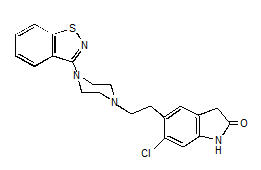
Ziprasidone mesylate for injection is an atypical antipsychotic as an injection (ziprasidone mesylate) for intramuscular use only. Ziprasidone is a psychotropic agent that is chemically unrelated to phenothiazine or butyrophenone antipsychotic agents. It has a molecular weight of 412.94 (free base), with the following chemical name: 5-[2-[4-(1,2-benzisothiazol-3-yl)-1-piperazinyl]ethyl]-6-chloro-1,3-dihydro-2H-indol-2-one. The empirical formula of C 21H 21ClN 4OS (free base of ziprasidone) represents the following structural formula:
Ziprasidone mesylate for injection contains a lyophilized form of ziprasidone mesylate trihydrate. Chemically, ziprasidone mesylate trihydrate is 5-[2-[4-(1,2-benzisothiazol-3-yl)-1-piperazinyl]ethyl]-6-chloro-1,3-dihydro-2H-indol-2-one, methanesulfonate, trihydrate. The empirical formula is C 21H 21ClN 4OS ∙ CH 3SO 3H ∙ 3H 2O and its molecular weight is 563.09.
Ziprasidone mesylate for injection is available in a single-dose vial as ziprasidone mesylate (20 mg ziprasidone/mL when reconstituted according to label instructions) [ see Dosage and Administration (2.4) ]. Each mL of ziprasidone mesylate for injection (when reconstituted) contains 20 mg of ziprasidone and 4.7 mg of methanesulfonic acid solubilized by 294 mg of sulfobutylether β-cyclodextrin sodium (SBECD).
5.14 Dysphagia
Esophageal dysmotility and aspiration have been associated with antipsychotic drug use. Aspiration pneumonia is a common cause of morbidity and mortality in elderly patients, in particular those with advanced Alzheimer's dementia. Ziprasidone and other antipsychotic drugs should be used cautiously in patients at risk for aspiration pneumonia [see Boxed Warning].
9.3 Dependence
Ziprasidone has not been systematically studied, in animals or humans, for its potential for abuse, tolerance, or physical dependence. While the clinical trials did not reveal any tendency for drug-seeking behavior, these observations were not systematic and it is not possible to predict on the basis of this limited experience the extent to which ziprasidone will be misused, diverted, and/or abused once marketed. Consequently, patients should be evaluated carefully for a history of drug abuse, and such patients should be observed closely for signs of ziprasidone misuse or abuse (e.g., development of tolerance, increases in dose, drug-seeking behavior).
8.4 Pediatric Use
The safety and effectiveness of Ziprasidone have not been established in pediatric patients.
Ziprasidone mesylate for injection was studied in one 4-week, placebo-controlled trial in patients 10 to 17 years of age with bipolar I disorder. However, the data were insufficient to fully assess the safety of ziprasidone mesylate for injection in pediatric patients. Therefore, a safe and effective dose for use could not be established.
8.5 Geriatric Use
Of the total number of subjects in clinical studies of ziprasidone, 2.4 percent were 65 and over. No overall differences in safety or effectiveness were observed between these subjects and younger subjects, and other reported clinical experience has not identified differences in responses between the elderly and younger patients, but greater sensitivity of some older individuals cannot be ruled out. Nevertheless, the presence of multiple factors that might increase the pharmacodynamic response to ziprasidone, or cause poorer tolerance or orthostasis, should lead to consideration of a lower starting dose, slower titration, and careful monitoring during the initial dosing period for some elderly patients.
Ziprasidone intramuscular has not been systematically evaluated in elderly patients (65 years and over).
14.1 Schizophrenia
The efficacy of oral ziprasidone in the treatment of schizophrenia was evaluated in 5 placebo-controlled studies, 4 short-term (4- and 6-week) trials and one maintenance trial. All trials were in adult inpatients, most of whom met DSM III-R criteria for schizophrenia. Each study included 2 to 3 fixed doses of ziprasidone as well as placebo. Four of the 5 trials were able to distinguish ziprasidone from placebo; one short-term study did not. Although a single fixed-dose haloperidol arm was included as a comparative treatment in one of the three short-term trials, this single study was inadequate to provide a reliable and valid comparison of ziprasidone and haloperidol.
Several instruments were used for assessing psychiatric signs and symptoms in these studies. The Brief Psychiatric Rating Scale (BPRS) and the Positive and Negative Syndrome Scale (PANSS) are both multi-item inventories of general psychopathology usually used to evaluate the effects of drug treatment in schizophrenia. The BPRS psychosis cluster (conceptual disorganization, hallucinatory behavior, suspiciousness, and unusual thought content) is considered a particularly useful subset for assessing actively psychotic schizophrenic patients. A second widely used assessment, the Clinical Global Impression (CGI), reflects the impression of a skilled observer, fully familiar with the manifestations of schizophrenia, about the overall clinical state of the patient. In addition, the Scale for Assessing Negative Symptoms (SANS) was employed for assessing negative symptoms in one trial.
The results of the oral ziprasidone trials in schizophrenia follow:
- In a 4-week, placebo-controlled trial (n=139) comparing 2 fixed doses of ziprasidone (20 and 60 mg twice daily) with placebo, only the 60 mg dose was superior to placebo on the BPRS total score and the CGI severity score. This higher dose group was not superior to placebo on the BPRS psychosis cluster or on the SANS.
- In a 6-week, placebo-controlled trial (n=302) comparing 2 fixed doses of ziprasidone (40 and 80 mg twice daily) with placebo, both dose groups were superior to placebo on the BPRS total score, the BPRS psychosis cluster, the CGI severity score and the PANSS total and negative subscale scores. Although 80 mg twice daily had a numerically greater effect than 40 mg twice daily, the difference was not statistically significant.
- In a 6-week, placebo-controlled trial (n=419) comparing 3 fixed doses of ziprasidone (20, 60, and 100 mg twice daily) with placebo, all three dose groups were superior to placebo on the PANSS total score, the BPRS total score, the BPRS psychosis cluster, and the CGI severity score. Only the 100 mg twice daily dose group was superior to placebo on the PANSS negative subscale score. There was no clear evidence for a dose-response relationship within the 20 mg twice daily to 100 mg twice daily dose range.
- In a 4-week, placebo-controlled trial (n=200) comparing 3 fixed doses of ziprasidone (5, 20, and 40 mg twice daily), none of the dose groups was statistically superior to placebo on any outcome of interest.
- A study was conducted in stable chronic or subchronic (CGI-S ≤5 at baseline) schizophrenic inpatients (n=294) who had been hospitalized for not less than two months. After a 3-day single-blind placebo run-in, subjects were randomized to one of 3 fixed doses of ziprasidone (20 mg, 40 mg, or 80 mg twice daily) or placebo and observed for relapse. Patients were observed for "impending psychotic relapse," defined as CGI-improvement score of ≥6 (much worse or very much worse) and/or scores ≥6 (moderately severe) on the hostility or uncooperativeness items of the PANSS on two consecutive days. Ziprasidone was significantly superior to placebo in time to relapse, with no significant difference between the different dose groups. There were insufficient data to examine population subsets based on age and race. Examination of population subsets based on gender did not reveal any differential responsiveness.
4 Contraindications
- Do not use in patients with a known history of QT prolongation ( 4.1)
- Do not use in patients with recent acute myocardial infarction ( 4.1)
- Do not use in patients with uncompensated heart failure ( 4.1)
- Do not use in combination with other drugs that have demonstrated QT prolongation ( 4.1)
- Do not use in patients with known hypersensitivity to ziprasidone ( 4.2)
- • Concomitant use of monoamine oxidase inhibitors (MAOIs) or use within 14 days of stopping MAOIs. (4.3)
4.1 Qt Prolongation
Because of ziprasidone's dose-related prolongation of the QT interval and the known association of fatal arrhythmias with QT prolongation by some other drugs, ziprasidone is contraindicated:
- in patients with a known history of QT prolongation (including congenital long QT syndrome)
- in patients with recent acute myocardial infarction
- in patients with uncompensated heart failure
Pharmacokinetic/pharmacodynamic studies between ziprasidone and other drugs that prolong the QT interval have not been performed. An additive effect of ziprasidone and other drugs that prolong the QT interval cannot be excluded. Therefore, ziprasidone should not be given with:
- dofetilide, sotalol, quinidine, other Class Ia and III anti-arrhythmics, mesoridazine, thioridazine, chlorpromazine, droperidol, pimozide, sparfloxacin, gatifloxacin, moxifloxacin, halofantrine, mefloquine, pentamidine, arsenic trioxide, levomethadyl acetate, dolasetron mesylate, probucol or tacrolimus.
- other drugs that have demonstrated QT prolongation as one of their pharmacodynamic effects and have this effect described in the full prescribing information as a contraindication or a boxed or bolded warning [see Warnings and Precautions (5.3)] .
6 Adverse Reactions
Commonly observed adverse reactions (incidence ≥5% and at least twice the incidence for placebo) were:
- Schizophrenia: Somnolence, respiratory tract infection. ( 6.1)
- Manic and Mixed Episodes Associated with Bipolar Disorder: Somnolence, extrapyramidal symptoms, dizziness, akathisia, abnormal vision, asthenia, vomiting. ( 6.1)
- Intramuscular administration(≥5% and at least twice the lowest intramuscular ziprasidone group): Headache, nausea, somnolence. ( 6.1)
To report SUSPECTED ADVERSE REACTIONS, contact Steriscience at 1-888-278-1784 or www.steri-science.com or FDA at 1-800-332-1088 or www.fda.gov/medwatch.
7 Drug Interactions
Drug-drug interactions can be pharmacodynamic (combined pharmacologic effects) or pharmacokinetic (alteration of plasma levels). The risks of using ziprasidone in combination with other drugs have been evaluated as described below. All interactions studies have been conducted with oral ziprasidone. Based upon the pharmacodynamic and pharmacokinetic profile of ziprasidone, possible interactions could be anticipated:
4.2 Hypersensitivity
Ziprasidone is contraindicated in individuals with a known hypersensitivity to the product.
7.2 in Vitro Studies
An in vitroenzyme inhibition study utilizing human liver microsomes showed that ziprasidone had little inhibitory effect on CYP1A2, CYP2C9, CYP2C19, CYP2D6 and CYP3A4, and thus would not likely interfere with the metabolism of drugs primarily metabolized by these enzymes. There is little potential for drug interactions with ziprasidone due to displacement [see Clinical Pharmacology (12.3)] .
7.7 Dextromethorphan
Consistent with in vitroresults, a study in normal healthy volunteers showed that ziprasidone did not alter the metabolism of dextromethorphan, a CYP2D6 model substrate, to its major metabolite, dextrorphan. There was no statistically significant change in the urinary dextromethorphan/dextrorphan ratio.
8.6 Renal Impairment
Because ziprasidone is highly metabolized, with less than 1% of the drug excreted unchanged, renal impairment alone is unlikely to have a major impact on the pharmacokinetics of ziprasidone. The pharmacokinetics of ziprasidone following 8 days of 20 mg twice daily dosing were similar among subjects with varying degrees of renal impairment (n=27), and subjects with normal renal function, indicating that dosage adjustment based upon the degree of renal impairment is not required. Ziprasidone is not removed by hemodialysis.
Intramuscular ziprasidone has not been systematically evaluated in elderly patients or in patients with hepatic or renal impairment. As the cyclodextrin excipient is cleared by renal filtration, ziprasidone intramuscular should be administered with caution to patients with impaired renal function [see Clinical Pharmacology (12)].
10.1 Human Experience
In premarketing trials involving more than 5400 patients and/or normal subjects, accidental or intentional overdosage of oral ziprasidone was documented in 10 patients. All of these patients survived without sequelae. In the patient taking the largest confirmed amount, 3,240 mg, the only symptoms reported were minimal sedation, slurring of speech, and transitory hypertension (200/95).
Adverse reactions reported with ziprasidone overdose included extrapyramidal symptoms, somnolence, tremor, and anxiety [see Adverse Reactions (6.2)].
12.2 Pharmacodynamics
Ziprasidone binds with relatively high affinity to the dopamine D 2and D 3, serotonin 5HT 2A, 5HT 2C, 5HT 1A, 5HT 1D, and α 1-adrenergic receptors (K is of 4.8, 7.2, 0.4, 1.3, 3.4, 2, and 10 nM, respectively), and with moderate affinity to the histamine H1 receptor (K i=47 nM). Ziprasidone is an antagonist at the D 2,5HT 2A, and 5HT 1Dreceptors, and an agonist at the 5HT 1Areceptor. Ziprasidone inhibited synaptic reuptake of serotonin and norepinephrine. No appreciable affinity was exhibited for other receptor/binding sites tested, including the cholinergic muscarinic receptor (IC 50>1 µM).
5.21 Laboratory Tests
Patients being considered for ziprasidone treatment that are at risk of significant electrolyte disturbances should have baseline serum potassium and magnesium measurements. Low serum potassium and magnesium should be replaced before proceeding with treatment. Patients who are started on diuretics during Ziprasidone therapy need periodic monitoring of serum potassium and magnesium. Ziprasidone should be discontinued in patients who are found to have persistent QTc measurements >500 msec [see Warnings and Precautions (5.3)].
5.8 Metabolic Changes
Atypical antipsychotic drugs have been associated with metabolic changes that may increase cardiovascular/cerebrovascular risk. These metabolic changes include hyperglycemia, dyslipidemia, and body weight gain. While all of the drugs in the class have been shown to produce some metabolic changes, each drug has its own specific risk profile.
7.1 Metabolic Pathway
Approximately two-thirds of ziprasidone is metabolized via a combination of chemical reduction by glutathione and enzymatic reduction by aldehyde oxidase. There are no known clinically relevant inhibitors or inducers of aldehyde oxidase. Less than one-third of ziprasidone metabolic clearance is mediated by cytochrome P450 catalyzed oxidation.
5.4 Serotonin Syndrome
Ziprasidone can precipitate serotonin syndrome, a potentially life-threatening condition. The risk is increased with concomitant use of other serotonergic drugs (including selective serotonin reuptake inhibitors (SSRIs), serotonin norepinephrine reuptake inhibitors (SNRIs), triptans, tricyclic antidepressants, fentanyl, tramadol, meperidine, methadone, lithium, tryptophan, buspirone, amphetamines, and St. John’s Wort) and with drugs that impair metabolism of serotonin, i.e., monoamine oxidase inhibitors (MAOIs) [
see Contraindications (4.3), Adverse Reactions (6.2), Drug Interactions (7.3)].
Serotonin syndrome signs and symptoms may include mental status changes (e.g., agitation, hallucinations, delirium, and coma), autonomic instability (e.g., tachycardia, labile blood pressure, dizziness, diaphoresis, flushing, hyperthermia), neuromuscular symptoms (e.g., tremor, rigidity, myoclonus, hyperreflexia, incoordination), seizures, and gastrointestinal symptoms (e.g., nausea, vomiting, diarrhea).
The concomitant use of ziprasidone mesylate for injection with MAOIs is contraindicated. In addition, do not initiate ziprasidone mesylate for injection in a patient being treated with MAOIs such as linezolid or intravenous methylene blue. If it is necessary to initiate treatment with an MAOI such as linezolid or intravenous methylene blue in a patient taking ziprasidone mesylate for injection, discontinue ziprasidone mesylate for injection before initiating treatment with the MAOI [
see Contraindications (4.3), Drug Interactions (7.3)].
Monitor all patients taking ziprasidone mesylate for injection for the emergence of serotonin syndrome. Discontinue treatment with ziprasidone mesylate for injection and any concomitant serotonergic agents immediately if the above symptoms occur, and initiate supportive symptomatic treatment. If concomitant use of ziprasidone mesylate for injection with other serotonergic drugs is clinically warranted, inform patients of the increased risk of serotonin syndrome and monitor for symptoms.
5.7 Tardive Dyskinesia
A syndrome of potentially irreversible, involuntary, dyskinetic movements may develop in patients undergoing treatment with antipsychotic drugs. Although the prevalence of the syndrome appears to be highest among the elderly, especially elderly women, it is impossible to rely upon prevalence estimates to predict, at the inception of antipsychotic treatment, which patients are likely to develop the syndrome. Whether antipsychotic drug products differ in their potential to cause tardive dyskinesia is unknown.
The risk of developing tardive dyskinesia and the likelihood that it will become irreversible are believed to increase as the duration of treatment and the total cumulative dose of antipsychotic drugs administered to the patient increase. However, the syndrome can develop, although much less commonly, after relatively brief treatment periods at low doses.
There is no known treatment for established cases of tardive dyskinesia, although the syndrome may remit, partially or completely, if antipsychotic treatment is withdrawn. Antipsychotic treatment itself, however, may suppress (or partially suppress) the signs and symptoms of the syndrome, and thereby may possibly mask the underlying process. The effect that symptomatic suppression has upon the long-term course of the syndrome is unknown.
Given these considerations, ziprasidone should be prescribed in a manner that is most likely to minimize the occurrence of tardive dyskinesia. Chronic antipsychotic treatment should generally be reserved for patients who suffer from a chronic illness that (1) is known to respond to antipsychotic drugs, and (2) for whom alternative, equally effective, but potentially less harmful treatments are not available or appropriate. In patients who do require chronic treatment, the smallest dose and the shortest duration of treatment producing a satisfactory clinical response should be sought. The need for continued treatment should be reassessed periodically.
If signs and symptoms of tardive dyskinesia appear in a patient on ziprasidone, drug discontinuation should be considered. However, some patients may require treatment with ziprasidone despite the presence of the syndrome.
8.7 Hepatic Impairment
As ziprasidone is cleared substantially by the liver, the presence of hepatic impairment would be expected to increase the AUC of ziprasidone; a multiple-dose study at 20 mg twice daily for 5 days in subjects (n=13) with clinically significant (Childs-Pugh Class A and B) cirrhosis revealed an increase in AUC 0–12of 13% and 34% in Childs-Pugh Class A and B, respectively, compared to a matched control group (n=14). A half-life of 7.1 hours was observed in subjects with cirrhosis compared to 4.8 hours in the control group.
1 Indications and Usage
Ziprasidone mesylate for injection is indicated for the treatment of schizophrenia, as monotherapy for the acute treatment of bipolar manic or mixed episodes, and as an adjunct to lithium or valproate for the maintenance treatment of bipolar disorder. Ziprasidone mesylate for injection intramuscular is indicated for acute agitation in schizophrenic patients. When deciding among the alternative treatments available for the condition needing treatment, the prescriber should consider the finding of ziprasidone's greater capacity to prolong the QT/QTc interval compared to several other antipsychotic drugs [see Warnings and Precautions (5.3)] . Prolongation of the QTc interval is associated in some other drugs with the ability to cause torsade de pointes-type arrhythmia, a potentially fatal polymorphic ventricular tachycardia, and sudden death. In many cases this would lead to the conclusion that other drugs should be tried first. Whether ziprasidone will cause torsade de pointes or increase the rate of sudden death is not yet known [see Warnings and Precautions (5.3)] .
5.15 Hyperprolactinemia
As with other drugs that antagonize dopamine D
2receptors, ziprasidone elevates prolactin levels in humans. Increased prolactin levels were also observed in animal studies with this compound, and were associated with an increase in mammary gland neoplasia in mice; a similar effect was not observed in rats [
see Nonclinical Toxicology (13.1)]. Tissue culture experiments indicate that approximately one-third of human breast cancers are prolactin-dependent
in vitro, a factor of potential importance if the prescription of these drugs is contemplated in a patient with previously detected breast cancer. Published epidemiologic studies have shown inconsistent results when exploring the potential association between hyperprolactinemia and breast cancer.
Although disturbances such as galactorrhea, amenorrhea, gynecomastia, and impotence have been reported with prolactin-elevating compounds, the clinical significance of elevated serum prolactin levels is unknown for most patients. Long-standing hyperprolactinemia when associated with hypogonadism may lead to decreased bone density.
7.6 Oral Contraceptives
In vivostudies have revealed no effect of ziprasidone on the pharmacokinetics of estrogen or progesterone components. Ziprasidone at a dose of 20 mg twice daily did not affect the pharmacokinetics of concomitantly administered oral contraceptives, ethinyl estradiol (0.03 mg) and levonorgestrel (0.15 mg).
12.1 Mechanism of Action
The mechanism of action of ziprasidone in the treatment of the listed indications could be mediated through a combination of dopamine type 2 (D 2) and serotonin type 2 (5HT 2) antagonism.
5 Warnings and Precautions
- Cerebrovascular Adverse Reactions in Elderly Patients with Dementia-Related Psychosis:Increased incidence of cerebrovascular adverse reactions (e.g., stroke, transient ischemic attack). ( 5.2)
- QT Interval Prolongation:Ziprasidone mesylate for injection use should be avoided in patients with bradycardia, hypokalemia or hypomagnesemia, congenital prolongation of the QT interval, or in combination with other drugs that have demonstrated QT prolongation. ( 5.3)
- Serotonin Syndrome: Increased risk when co-administered with other serotonergic agents, but also when taken alone. If it occurs, discontinue Ziprasidone mesylate for injection and serotonergic agents and initiate supportive treatment. (5.4)
- Neuroleptic Malignant Syndrome(NMS): Potentially fatal symptom complex has been reported with antipsychotic drugs. Manage with immediate discontinuation of drug and close monitoring. ( 5.5)
- Severe Cutaneous Adverse Reactions, such as Drug Reaction with Eosinophilia and Systemic Symptoms (DRESS) and Stevens-Johnson syndrome has been reported with ziprasidone exposure. DRESS and other Severe Cutaneous Adverse Reactions (SCAR) are sometimes fatal. Discontinue ziprasidone mesylate for injection if DRESS or SCAR are suspected. ( 5.6)
- Tardive Dyskinesia: May develop acutely or chronically. ( 5.7)
- Metabolic Changes: Atypical antipsychotic drugs have been associated with metabolic changes that may increase cardiovascular/ cerebrovascular risk. These metabolic changes include hyperglycemia, dyslipidemia, and weight gain. ( 5.8)
- Hyperglycemia and Diabetes Mellitus(DM): Monitor all patients for symptoms of hyperglycemia including polydipsia, polyuria, polyphagia, and weakness. Patients with DM risk factors should undergo blood glucose testing before and during treatment. ( 5.8)
- Dyslipidemia:Undesirable alterations have been observed in patients treated with atypical antipsychotics. ( 5.8)
- Weight Gain:Weight gain has been reported. Monitor weight gain. ( 5.8)
- Rash: Discontinue in patients who develop a rash without an identified cause. ( 5.9)
- Orthostatic Hypotension: Use with caution in patients with known cardiovascular or cerebrovascular disease. ( 5.10)
- Leukopenia, Neutropenia, and Agranulocytosishas been reported with antipsychotics. Patients with a pre-existing low white blood cell count (WBC) or a history of leukopenia/neutropenia should have their complete blood count (CBC) monitored frequently during the first few months of therapy and should discontinue ziprasidone mesylate for injection at the first sign of a decline in WBC in the absence of other causative factors. ( 5.12)
- Seizures: Use cautiously in patients with a history of seizures or with conditions that lower seizure threshold. ( 5.13)
- Potential for Cognitive and Motor impairment: Patients should use caution when operating machinery. ( 5.16)
- Suicide: Closely supervise high-risk patients. ( 5.19)
8.8 Age and Gender Effects
In a multiple-dose (8 days of treatment) study involving 32 subjects, there was no difference in the pharmacokinetics of ziprasidone between men and women or between elderly (>65 years) and young (18 to 45 years) subjects. Additionally, population pharmacokinetic evaluation of patients in controlled trials has revealed no evidence of clinically significant age or gender-related differences in the pharmacokinetics of ziprasidone. Dosage modifications for age or gender are, therefore, not recommended.
2 Dosage and Administration
- Acute treatment of agitation associated with schizophrenia (intramuscular administration): 10 mg–20 mg up to a maximum dose of 40 mg per day. Doses of 10 mg may be administered every 2 hours. Doses of 20 mg may be administered every 4 hours. ( 2.4)
3 Dosage Forms and Strengths
Ziprasidone mesylate for injection is available in a single-dose vial as ziprasidone mesylate (20 mg ziprasidone/mL when reconstituted according to label instructions) [see Dosage and Administration (2.4)] . Each mL of ziprasidone mesylate for injection (when reconstituted) affords a colorless to pale pink solution that contains 20 mg of ziprasidone and 4.7 mg of methanesulfonic acid solubilized by 294 mg of sulfobutylether β-cyclodextrin sodium (SBECD).
5.10 Orthostatic Hypotension
Ziprasidone may induce orthostatic hypotension associated with dizziness, tachycardia, and, in some patients, syncope, especially during the initial dose-titration period, probably reflecting its α 1-adrenergic antagonist properties. Syncope was reported in 0.6% of the patients treated with ziprasidone.
Ziprasidone should be used with particular caution in patients with known cardiovascular disease (history of myocardial infarction or ischemic heart disease, heart failure or conduction abnormalities), cerebrovascular disease, or conditions which would predispose patients to hypotension (dehydration, hypovolemia, and treatment with antihypertensive medications).
6.2 Postmarketing Experience
The following adverse reactions have been identified during post-approval use of ziprasidone mesylate for injection. Because these reactions are reported voluntarily from a population of uncertain size, it is not always possible to reliably estimate their frequency or establish a causal relationship to drug exposure.
Adverse reaction reports not listed above that have been received since market introduction include rare occurrences of the following : Cardiac Disorders: Tachycardia, torsade de pointes (in the presence of multiple confounding factors),
[see Warnings and Precautions (5.3)]; Digestive System Disorders: Swollen tongue;
Reproductive System and Breast Disorders: Galactorrhea, priapism;
Nervous System Disorders: Facial Droop, neuroleptic malignant syndrome, serotonin syndrome (alone or in combination with serotonergic medicinal products), tardive dyskinesia;
Psychiatric Disorders: Insomnia, mania/hypomania, somnambulism;
Skin and subcutaneous Tissue Disorders: Allergic reaction (such as allergic dermatitis, angioedema, orofacial edema, urticaria), rash, Drug Reaction with Eosinophilia and Systemic Symptoms (DRESS);
Urogenital System Disorders: Enuresis, urinary incontinence;
Vascular Disorders: Postural hypotension, syncope.
10.2 Management of Overdosage
In case of acute overdosage, establish and maintain an airway and ensure adequate oxygenation and ventilation. Intravenous access should be established, and gastric lavage (after intubation, if patient is unconscious) and administration of activated charcoal together with a laxative should be considered. The possibility of obtundation, seizure, or dystonic reaction of the head and neck following overdose may create a risk of aspiration with induced emesis.
Cardiovascular monitoring should commence immediately and should include continuous electrocardiographic monitoring to detect possible arrhythmias. If antiarrhythmic therapy is administered, disopyramide, procainamide, and quinidine carry a theoretical hazard of additive QT-prolonging effects that might be additive to those of ziprasidone.
Hypotension and circulatory collapse should be treated with appropriate measures such as intravenous fluids. If sympathomimetic agents are used for vascular support, epinephrine and dopamine should not be used, since beta stimulation combined with α 1antagonism associated with ziprasidone may worsen hypotension. Similarly, it is reasonable to expect that the alpha-adrenergic-blocking properties of bretylium might be additive to those of ziprasidone, resulting in problematic hypotension.
In cases of severe extrapyramidal symptoms, anticholinergic medication should be administered. There is no specific antidote to ziprasidone, and it is not dialyzable. The possibility of multiple drug involvement should be considered. Close medical supervision and monitoring should continue until the patient recovers.
8 Use in Specific Populations
- Pregnancy: May cause extrapyramidal and/or withdrawal symptoms in neonates with third trimester exposure. ( 8.1)
- Renal Impairment: Intramuscular ziprasidone should be administered with caution to patients with impaired renal function as the cyclodextrin excipient is cleared by renal filtration. ( 8.6)
6.1 Clinical Trials Experience
Because clinical trials are conducted under widely varying conditions, adverse reaction rates observed in the clinical trials of a drug cannot be directly compared to rates in the clinical trials of another drug and may not reflect the rates observed in practice.
5.18 Body Temperature Regulation
Although not reported with ziprasidone in premarketing trials, disruption of the body's ability to reduce core body temperature has been attributed to antipsychotic agents. Appropriate care is advised when prescribing ziprasidone for patients who will be experiencing conditions which may contribute to an elevation in core body temperature, e.g., exercising strenuously, exposure to extreme heat, receiving concomitant medication with anticholinergic activity, or being subject to dehydration.
7.3 Pharmacodynamic Interactions
• Ziprasidone should not be used with any drug that prolongs the QT interval [
see Contraindications (4.1)].
• Given the primary CNS effects of ziprasidone, caution should be used when it is taken in combination with other centrally acting drugs.
• Because of its potential for inducing hypotension, ziprasidone may enhance the effects of certain antihypertensive agents.
• Ziprasidone may antagonize the effects of levodopa and dopamine agonists.
• Risk of serotonin syndrome with concomitant therapy with other serotonergic drugs such as SNRIs, SSRIs, triptans, tricyclic antidepressants, opioids, lithium, tryptophan, buspirone, amphetamines, and St. John’s Wort [
see Contraindications (4.3), Warnings and Precautions (5.4), Adverse Reactions (6.2)].
7.9 Other Concomitant Drug Therapy
Population pharmacokinetic analysis of schizophrenic patients enrolled in controlled clinical trials has not revealed evidence of any clinically significant pharmacokinetic interactions with benztropine, propranolol, or lorazepam.
16 How Supplied/storage and Handling
Ziprasidone mesylate for injection is available in a single-dose vial as ziprasidone mesylate (20 mg ziprasidone/mL when reconstituted according to label instructions) [see Dosage and Administration (2.4)] . Each mL of ziprasidone mesylate for injection (when reconstituted) affords a colorless to pale pink solution that contains 20 mg of ziprasidone and 4.7 mg of methanesulfonic acid solubilized by 294 mg of sulfobutylether β-cyclodextrin sodium (SBECD).
| Ziprasidone Mesylate for Injection | ||
|---|---|---|
| Package | Concentration | NDC |
| Single-dose Vials (carton of 10 vials) | 20 mg/mL | NDC 64380-421-01 (Unit)
NDC 64380-421-02 (Pack) |
5.20 Patients With Concomitant Illness
Clinical experience with ziprasidone in patients with certain concomitant systemic illnesses is limited [see Use in Specific Populations (8.6), (8.7)].
Ziprasidone has not been evaluated or used to any appreciable extent in patients with a recent history of myocardial infarction or unstable heart disease. Patients with these diagnoses were excluded from premarketing clinical studies. Because of the risk of QTc prolongation and orthostatic hypotension with ziprasidone, caution should be observed in cardiac patients [see Warnings and Precautions (5.3), (5.10)].
4.3 Monoamine Oxidase Inhibitors (maois)
Ziprasidone is contraindicated in patients taking, or within 14 days of stopping, MAOIs (including the MAOIs linezolid and intravenous methylene blue) because of an increased risk of serotonin syndrome [ see Warnings and Precautions (5.4), Drug Interaction (7.3)].
5.5 Neuroleptic Malignant Syndrome (nms)
A potentially fatal symptom complex sometimes referred to as Neuroleptic Malignant Syndrome (NMS) has been reported in association with administration of antipsychotic drugs. Clinical manifestations of NMS are hyperpyrexia, muscle rigidity, altered mental status, and evidence of autonomic instability (irregular pulse or blood pressure, tachycardia, diaphoresis, and cardiac dysrhythmia). Additional signs may include elevated creatinine phosphokinase, myoglobinuria (rhabdomyolysis), and acute renal failure.
The diagnostic evaluation of patients with this syndrome is complicated. In arriving at a diagnosis, it is important to exclude cases where the clinical presentation includes both serious medical illness (e.g., pneumonia, systemic infection, etc.) and untreated or inadequately treated extrapyramidal signs and symptoms (EPS). Other important considerations in the differential diagnosis include central anticholinergic toxicity, heat stroke, drug fever, and primary central nervous system (CNS) pathology.
The management of NMS should include: (1) immediate discontinuation of antipsychotic drugs and other drugs not essential to concurrent therapy; (2) intensive symptomatic treatment and medical monitoring; and (3) treatment of any concomitant serious medical problems for which specific treatments are available. There is no general agreement about specific pharmacological treatment regimens for NMS.
If a patient requires antipsychotic drug treatment after recovery from NMS, the potential reintroduction of drug therapy should be carefully considered. The patient should be carefully monitored, since recurrences of NMS have been reported.
5.3 Qt Prolongation and Risk of Sudden Death
Ziprasidone use should be avoided in combination with other drugs that are known to prolong the QTc interval [see Contraindications (4.1)and Drug Interactions (7.4)] . Additionally, clinicians should be alert to the identification of other drugs that have been consistently observed to prolong the QTc interval. Such drugs should not be prescribed with ziprasidone. Ziprasidone should also be avoided in patients with congenital long QT syndrome and in patients with a history of cardiac arrhythmias [see Contraindications (4)].
A study directly comparing the QT/QTc prolonging effect of oral ziprasidone with several other drugs effective in the treatment of schizophrenia was conducted in patient volunteers. In the first phase of the trial, ECGs were obtained at the time of maximum plasma concentration when the drug was administered alone. In the second phase of the trial, ECGs were obtained at the time of maximum plasma concentration while the drug was co-administered with an inhibitor of the CYP4503A4 metabolism of the drug.
In the first phase of the study, the mean change in QTc from baseline was calculated for each drug, using a sample-based correction that removes the effect of heart rate on the QT interval. The mean increase in QTc from baseline for ziprasidone ranged from approximately 9 to 14 msec greater than for four of the comparator drugs (risperidone, olanzapine, quetiapine, and haloperidol), but was approximately 14 msec less than the prolongation observed for thioridazine.
In the second phase of the study, the effect of ziprasidone on QTc length was not augmented by the presence of a metabolic inhibitor (ketoconazole 200 mg twice daily).
In placebo-controlled trials in adults, oral ziprasidone increased the QTc interval compared to placebo by approximately 10 msec at the highest recommended daily dose of 160 mg. In clinical trials with oral ziprasidone, the electrocardiograms of 2/2988 (0.06%) patients who received ziprasidone mesylate for injection and 1/440 (0.23%) patients who received placebo revealed QTc intervals exceeding the potentially clinically relevant threshold of 500 msec. In the ziprasidone-treated patients, neither case suggested a role of ziprasidone. One patient had a history of prolonged QTc and a screening measurement of 489 msec; QTc was 503 msec during ziprasidone treatment. The other patient had a QTc of 391 msec at the end of treatment with ziprasidone and upon switching to thioridazine experienced QTc measurements of 518 and 593 msec.
Some drugs that prolong the QT/QTc interval have been associated with the occurrence of torsade de pointes and with sudden unexplained death. The relationship of QT prolongation to torsade de pointes is clearest for larger increases (20 msec and greater) but it is possible that smaller QT/QTc prolongations may also increase risk, or increase it in susceptible individuals .Although torsade de pointes has not been observed in association with the use of ziprasidone in premarketing studies and experience is too limited to rule out an increased risk, there have been rare post-marketing reports (in the presence of multiple confounding factors) [see Adverse Reactions (6.2)] .
A study evaluating the QT/QTc prolonging effect of intramuscular ziprasidone, with intramuscular haloperidol as a control, was conducted in patient volunteers. In the trial, ECGs were obtained at the time of maximum plasma concentration following two injections of ziprasidone (20 mg then 30 mg) or haloperidol (7.5 mg then 10 mg) given four hours apart. Note that a 30 mg dose of intramuscular ziprasidone is 50% higher than the recommended therapeutic dose. The mean change in QTc from baseline was calculated for each drug, using a sample-based correction that removes the effect of heart rate on the QT interval. The mean increase in QTc from baseline for ziprasidone was 4.6 msec following the first injection and 12.8 msec following the second injection. The mean increase in QTc from baseline for haloperidol was 6.0 msec following the first injection and 14.7 msec following the second injection. In this study, no patients had a QTc interval exceeding 500 msec.
As with other antipsychotic drugs and placebo, sudden unexplained deaths have been reported in patients taking ziprasidone at recommended doses. The premarketing experience for ziprasidone did not reveal an excess risk of mortality for ziprasidone compared to other antipsychotic drugs or placebo, but the extent of exposure was limited, especially for the drugs used as active controls and placebo. Nevertheless, ziprasidone's larger prolongation of QTc length compared to several other antipsychotic drugs raises the possibility that the risk of sudden death may be greater for ziprasidone than for other available drugs for treating schizophrenia. This possibility needs to be considered in deciding among alternative drug products [see Indications and Usage (1)].
Certain circumstances may increase the risk of the occurrence of torsade de pointes and/or sudden death in association with the use of drugs that prolong the QTc interval, including (1) bradycardia; (2) hypokalemia or hypomagnesemia; (3) concomitant use of other drugs that prolong the QTc interval; and (4) presence of congenital prolongation of the QT interval.
It is recommended that patients being considered for ziprasidone treatment who are at risk for significant electrolyte disturbances, hypokalemia in particular, have baseline serum potassium and magnesium measurements. Hypokalemia (and/or hypomagnesemia) may increase the risk of QT prolongation and arrhythmia. Hypokalemia may result from diuretic therapy, diarrhea, and other causes. Patients with low serum potassium and/or magnesium should be repleted with those electrolytes before proceeding with treatment. It is essential to periodically monitor serum electrolytes in patients for whom diuretic therapy is introduced during ziprasidone treatment. Persistently prolonged QTc intervals may also increase the risk of further prolongation and arrhythmia, but it is not clear that routine screening ECG measures are effective in detecting such patients. Rather, ziprasidone should be avoided in patients with histories of significant cardiovascular illness, e.g., QT prolongation, recent acute myocardial infarction, uncompensated heart failure, or cardiac arrhythmia. Ziprasidone should be discontinued in patients who are found to have persistent QTc measurements >500 msec.
For patients taking ziprasidone who experience symptoms that could indicate the occurrence of torsade de pointes, e.g., dizziness, palpitations, or syncope, the prescriber should initiate further evaluation, e.g., Holter monitoring may be useful.
5.12 Leukopenia, Neutropenia, and Agranulocytosis
In clinical trial and postmarketing experience, events of leukopenia/neutropenia have been reported temporally related to antipsychotic agents. Agranulocytosis (including fatal cases) has also been reported.
Possible risk factors for leukopenia/neutropenia include pre-existing low white blood cell count (WBC) and history of drug induced leukopenia/neutropenia. Patients with a pre-existing low WBC or a history of drug induced leukopenia/neutropenia should have their complete blood count (CBC) monitored frequently during the first few months of therapy and should discontinue ziprasidone mesylate for injection at the first sign of decline in WBC in the absence of other causative factors.
Patients with neutropenia should be carefully monitored for fever or other symptoms or signs of infection and treated promptly if such symptoms or signs occur. Patients with severe neutropenia (absolute neutrophil count <1000/mm 3) should discontinue ziprasidone mesylate for injection and have their WBC followed until recovery.
5.16 Potential for Cognitive and Motor Impairment
Somnolence was a commonly reported adverse reaction in patients treated with ziprasidone. In the 4- and 6-week placebo-controlled trials in adults, somnolence was reported in 14% of patients on ziprasidone compared to 7% of placebo patients. Somnolence led to discontinuation in 0.3% of the patients in short-term clinical trials in adults.
Since ziprasidone has the potential to impair judgment, thinking, or motor skills, patients should be cautioned about performing activities requiring mental alertness, such as operating a motor vehicle (including automobiles) or operating hazardous machinery until they are reasonably certain that ziprasidone therapy does not affect them adversely.
14.3 Acute Treatment of Agitation in Schizophrenia
The efficacy of intramuscular ziprasidone in the management of agitated schizophrenic patients was established in two short-term, double-blind trials of schizophrenic subjects who were considered by the investigators to be "acutely agitated" and in need of IM antipsychotic medication. In addition, patients were required to have a score of 3 or more on at least 3 of the following items of the PANSS: anxiety, tension, hostility and excitement. Efficacy was evaluated by analysis of the area under the curve (AUC) of the Behavioural Activity Rating Scale (BARS) and Clinical Global Impression (CGI) severity rating. The BARS is a seven point scale with scores ranging from 1 (difficult or unable to rouse) to 7 (violent, requires restraint). Patients' scores on the BARS at baseline were mostly 5 (signs of overt activity [physical or verbal], calms down with instructions) and as determined by investigators, exhibited a degree of agitation that warranted intramuscular therapy. There were few patients with a rating higher than 5 on the BARS, as the most severely agitated patients were generally unable to provide informed consent for participation in premarketing clinical trials.
Both studies compared higher doses of ziprasidone intramuscular with a 2 mg control dose. In one study, the higher dose was 20 mg, which could be given up to 4 times in the 24 hours of the study, at interdose intervals of no less than 4 hours. In the other study, the higher dose was 10 mg, which could be given up to 4 times in the 24 hours of the study, at interdose intervals of no less than 2 hours.
The results of the intramuscular ziprasidone trials follow:
- In a one-day, double-blind, randomized trial (n=79) involving doses of ziprasidone intramuscular of 20 mg or 2 mg, up to QID, ziprasidone intramuscular 20 mg was statistically superior to ziprasidone intramuscular 2 mg, as assessed by AUC of the BARS at 0 to 4 hours, and by CGI severity at 4 hours and study endpoint.
- In another one-day, double-blind, randomized trial (n=117) involving doses of ziprasidone intramuscular of 10 mg or 2 mg, up to QID, ziprasidone intramuscular 10 mg was statistically superior to ziprasidone intramuscular 2 mg, as assessed by AUC of the BARS at 0 to 2 hours, but not by CGI severity.
5.1 Increased Mortality in Elderly Patients With Dementia Related Psychosis
Elderly patients with dementia-related psychosis treated with antipsychotic drugs are at an increased risk of death. Analyses of 17 placebo-controlled trials (modal duration of 10 weeks), largely in patients taking atypical antipsychotic drugs, revealed a risk of death in drug-treated patients of between 1.6 to 1.7 times the risk of death in placebo-treated patients. Over the course of a typical 10-week controlled trial, the rate of death in drug-treated patients was about 4.5%, compared to a rate of about 2.6% in the placebo group.
Although the causes of death were varied, most of the deaths appeared to be either cardiovascular (e.g., heart failure, sudden death) or infectious (e.g., pneumonia) in nature. Ziprasidone mesylate for injection is not approved for the treatment of patients with dementia-related psychosis [see Boxed Warning, Warnings and Precautions (5.2)].
Warning: Increased Mortality in Elderly Patients With Dementia Related Psychosis
Elderly patients with dementia-related psychosis treated with antipsychotic drugs are at an increased risk of death. Ziprasidone mesylate for injection is not approved for the treatment of patients with dementia-related psychosis [see Warnings and Precautions (5.1)].
2.5 Switching Patients to Or From A Monoamine Oxidase Inhibitor (maoi) Antidepressant
At least 14 days must elapse between discontinuation of an MAOI (intended to treat psychiatric disorders) and initiation of therapy with Ziprasidone mesylate for injection. In addition, at least 3 days should be allowed after stopping Ziprasidone mesylate for injection before starting an MAOI intended to treat psychiatric disorders [ see Contraindications (4.3), Warnings and Precautions (5.2), and Drug Interactions (7.1)].
5.2 Cerebrovascular Adverse Reactions, Including Stroke, in Elderly Patients With Dementia Related Psychosis
In placebo-controlled trials in elderly subjects with dementia, patients randomized to risperidone, aripiprazole, and olanzapine had a higher incidence of stroke and transient ischemic attack, including fatal stroke. Ziprasidone mesylate for injection is not approved for the treatment of patients with dementia-related psychosis [see Boxed Warningand Warnings and Precautions (5.1)] .
Structured Label Content
Recent Major Changes (RECENT MAJOR CHANGES)
Section 42229-5 (42229-5)
Acute Treatment of Agitation in Schizophrenia
- Ziprasidone mesylate for injection intramuscular is indicated for the treatment of acute agitation in schizophrenic adult patients for whom treatment with ziprasidone is appropriate and who need intramuscular antipsychotic medication for rapid control of agitation. [see Clinical Studies (14.1)] .
Since there is no experience regarding the safety of administering ziprasidone intramuscular to schizophrenic patients already taking oral ziprasidone, the practice of co-administration is not recommended.
Section 44425-7 (44425-7)
Ziprasidone Mesylate for injection should be stored at 25°C (77°F); excursions permitted to 15°C to 30°C (59°F to 86°F) [see USP Controlled Room Temperature] in dry form. Protect from light.Following reconstitution, ziprasidone mesylate for injection can be stored, when protected from light, for up to 24 hours at 15°C to 30°C (59°F to 86°F) or up to 7 days refrigerated, 2°C to 8°C (36°F to 46°F).
Section 51945-4 (51945-4)
5.9 Rash
In premarketing trials with ziprasidone, about 5% of patients developed rash and/or urticaria, with discontinuation of treatment in about one-sixth of these cases. The occurrence of rash was related to dose of ziprasidone, although the finding might also be explained by the longer exposure time in the higher dose patients. Several patients with rash had signs and symptoms of associated systemic illness, e.g., elevated WBCs. Most patients improved promptly with adjunctive treatment with antihistamines or steroids and/or upon discontinuation of ziprasidone, and all patients experiencing these reactions were reported to recover completely. Upon appearance of rash for which an alternative etiology cannot be identified, ziprasidone should be discontinued.
5.11 Falls
Antipsychotic drugs (which include ziprasidone mesylate for injection) may cause somnolence, postural hypotension, and motor and sensory instability, which could lead to falls and, consequently, fractures or other injuries. For patients with diseases, conditions, or medications that could exacerbate these effects, complete fall risk assessments when initiating antipsychotic treatment and recurrently for patients on long-term antipsychotic therapy.
7.5 Lithium
Ziprasidone at a dose of 40 mg twice daily administered concomitantly with lithium at a dose of 450 mg twice daily for 7 days did not affect the steady-state level or renal clearance of lithium. Ziprasidone dosed adjunctively to lithium in a maintenance trial of bipolar patients did not affect mean therapeutic lithium levels.
8.9 Smoking
Based on in vitrostudies utilizing human liver enzymes, ziprasidone is not a substrate for CYP1A2; smoking should therefore not have an effect on the pharmacokinetics of ziprasidone. Consistent with these in vitroresults, population pharmacokinetic evaluation has not revealed any significant pharmacokinetic differences between smokers and nonsmokers.
5.19 Suicide
The possibility of a suicide attempt is inherent in psychotic illness or bipolar disorder, and close supervision of high-risk patients should accompany drug therapy. Prescriptions for ziprasidone should be written for the smallest quantity of capsules consistent with good patient management in order to reduce the risk of overdose.
5.13 Seizures
During clinical trials, seizures occurred in 0.4% of patients treated with ziprasidone. There were confounding factors that may have contributed to the occurrence of seizures in many of these cases. As with other antipsychotic drugs, ziprasidone should be used cautiously in patients with a history of seizures or with conditions that potentially lower the seizure threshold, e.g., Alzheimer's dementia. Conditions that lower the seizure threshold may be more prevalent in a population of 65 years or older.
5.17 Priapism
One case of priapism was reported in the premarketing database. While the relationship of the reaction to ziprasidone use has not been established, other drugs with alpha-adrenergic blocking effects have been reported to induce priapism, and it is possible that ziprasidone may share this capacity. Severe priapism may require surgical intervention.
7.8 Valproate
A pharmacokinetic interaction of ziprasidone with valproate is unlikely due to the lack of common metabolic pathways for the two drugs. Ziprasidone dosed adjunctively to valproate in a maintenance trial of bipolar patients did not affect mean therapeutic valproate levels.
11 Description (11 DESCRIPTION)
Ziprasidone mesylate for injection is an atypical antipsychotic as an injection (ziprasidone mesylate) for intramuscular use only. Ziprasidone is a psychotropic agent that is chemically unrelated to phenothiazine or butyrophenone antipsychotic agents. It has a molecular weight of 412.94 (free base), with the following chemical name: 5-[2-[4-(1,2-benzisothiazol-3-yl)-1-piperazinyl]ethyl]-6-chloro-1,3-dihydro-2H-indol-2-one. The empirical formula of C 21H 21ClN 4OS (free base of ziprasidone) represents the following structural formula:
Ziprasidone mesylate for injection contains a lyophilized form of ziprasidone mesylate trihydrate. Chemically, ziprasidone mesylate trihydrate is 5-[2-[4-(1,2-benzisothiazol-3-yl)-1-piperazinyl]ethyl]-6-chloro-1,3-dihydro-2H-indol-2-one, methanesulfonate, trihydrate. The empirical formula is C 21H 21ClN 4OS ∙ CH 3SO 3H ∙ 3H 2O and its molecular weight is 563.09.
Ziprasidone mesylate for injection is available in a single-dose vial as ziprasidone mesylate (20 mg ziprasidone/mL when reconstituted according to label instructions) [ see Dosage and Administration (2.4) ]. Each mL of ziprasidone mesylate for injection (when reconstituted) contains 20 mg of ziprasidone and 4.7 mg of methanesulfonic acid solubilized by 294 mg of sulfobutylether β-cyclodextrin sodium (SBECD).
5.14 Dysphagia
Esophageal dysmotility and aspiration have been associated with antipsychotic drug use. Aspiration pneumonia is a common cause of morbidity and mortality in elderly patients, in particular those with advanced Alzheimer's dementia. Ziprasidone and other antipsychotic drugs should be used cautiously in patients at risk for aspiration pneumonia [see Boxed Warning].
9.3 Dependence
Ziprasidone has not been systematically studied, in animals or humans, for its potential for abuse, tolerance, or physical dependence. While the clinical trials did not reveal any tendency for drug-seeking behavior, these observations were not systematic and it is not possible to predict on the basis of this limited experience the extent to which ziprasidone will be misused, diverted, and/or abused once marketed. Consequently, patients should be evaluated carefully for a history of drug abuse, and such patients should be observed closely for signs of ziprasidone misuse or abuse (e.g., development of tolerance, increases in dose, drug-seeking behavior).
8.4 Pediatric Use
The safety and effectiveness of Ziprasidone have not been established in pediatric patients.
Ziprasidone mesylate for injection was studied in one 4-week, placebo-controlled trial in patients 10 to 17 years of age with bipolar I disorder. However, the data were insufficient to fully assess the safety of ziprasidone mesylate for injection in pediatric patients. Therefore, a safe and effective dose for use could not be established.
8.5 Geriatric Use
Of the total number of subjects in clinical studies of ziprasidone, 2.4 percent were 65 and over. No overall differences in safety or effectiveness were observed between these subjects and younger subjects, and other reported clinical experience has not identified differences in responses between the elderly and younger patients, but greater sensitivity of some older individuals cannot be ruled out. Nevertheless, the presence of multiple factors that might increase the pharmacodynamic response to ziprasidone, or cause poorer tolerance or orthostasis, should lead to consideration of a lower starting dose, slower titration, and careful monitoring during the initial dosing period for some elderly patients.
Ziprasidone intramuscular has not been systematically evaluated in elderly patients (65 years and over).
14.1 Schizophrenia
The efficacy of oral ziprasidone in the treatment of schizophrenia was evaluated in 5 placebo-controlled studies, 4 short-term (4- and 6-week) trials and one maintenance trial. All trials were in adult inpatients, most of whom met DSM III-R criteria for schizophrenia. Each study included 2 to 3 fixed doses of ziprasidone as well as placebo. Four of the 5 trials were able to distinguish ziprasidone from placebo; one short-term study did not. Although a single fixed-dose haloperidol arm was included as a comparative treatment in one of the three short-term trials, this single study was inadequate to provide a reliable and valid comparison of ziprasidone and haloperidol.
Several instruments were used for assessing psychiatric signs and symptoms in these studies. The Brief Psychiatric Rating Scale (BPRS) and the Positive and Negative Syndrome Scale (PANSS) are both multi-item inventories of general psychopathology usually used to evaluate the effects of drug treatment in schizophrenia. The BPRS psychosis cluster (conceptual disorganization, hallucinatory behavior, suspiciousness, and unusual thought content) is considered a particularly useful subset for assessing actively psychotic schizophrenic patients. A second widely used assessment, the Clinical Global Impression (CGI), reflects the impression of a skilled observer, fully familiar with the manifestations of schizophrenia, about the overall clinical state of the patient. In addition, the Scale for Assessing Negative Symptoms (SANS) was employed for assessing negative symptoms in one trial.
The results of the oral ziprasidone trials in schizophrenia follow:
- In a 4-week, placebo-controlled trial (n=139) comparing 2 fixed doses of ziprasidone (20 and 60 mg twice daily) with placebo, only the 60 mg dose was superior to placebo on the BPRS total score and the CGI severity score. This higher dose group was not superior to placebo on the BPRS psychosis cluster or on the SANS.
- In a 6-week, placebo-controlled trial (n=302) comparing 2 fixed doses of ziprasidone (40 and 80 mg twice daily) with placebo, both dose groups were superior to placebo on the BPRS total score, the BPRS psychosis cluster, the CGI severity score and the PANSS total and negative subscale scores. Although 80 mg twice daily had a numerically greater effect than 40 mg twice daily, the difference was not statistically significant.
- In a 6-week, placebo-controlled trial (n=419) comparing 3 fixed doses of ziprasidone (20, 60, and 100 mg twice daily) with placebo, all three dose groups were superior to placebo on the PANSS total score, the BPRS total score, the BPRS psychosis cluster, and the CGI severity score. Only the 100 mg twice daily dose group was superior to placebo on the PANSS negative subscale score. There was no clear evidence for a dose-response relationship within the 20 mg twice daily to 100 mg twice daily dose range.
- In a 4-week, placebo-controlled trial (n=200) comparing 3 fixed doses of ziprasidone (5, 20, and 40 mg twice daily), none of the dose groups was statistically superior to placebo on any outcome of interest.
- A study was conducted in stable chronic or subchronic (CGI-S ≤5 at baseline) schizophrenic inpatients (n=294) who had been hospitalized for not less than two months. After a 3-day single-blind placebo run-in, subjects were randomized to one of 3 fixed doses of ziprasidone (20 mg, 40 mg, or 80 mg twice daily) or placebo and observed for relapse. Patients were observed for "impending psychotic relapse," defined as CGI-improvement score of ≥6 (much worse or very much worse) and/or scores ≥6 (moderately severe) on the hostility or uncooperativeness items of the PANSS on two consecutive days. Ziprasidone was significantly superior to placebo in time to relapse, with no significant difference between the different dose groups. There were insufficient data to examine population subsets based on age and race. Examination of population subsets based on gender did not reveal any differential responsiveness.
4 Contraindications (4 CONTRAINDICATIONS)
- Do not use in patients with a known history of QT prolongation ( 4.1)
- Do not use in patients with recent acute myocardial infarction ( 4.1)
- Do not use in patients with uncompensated heart failure ( 4.1)
- Do not use in combination with other drugs that have demonstrated QT prolongation ( 4.1)
- Do not use in patients with known hypersensitivity to ziprasidone ( 4.2)
- • Concomitant use of monoamine oxidase inhibitors (MAOIs) or use within 14 days of stopping MAOIs. (4.3)
4.1 Qt Prolongation (4.1 QT Prolongation)
Because of ziprasidone's dose-related prolongation of the QT interval and the known association of fatal arrhythmias with QT prolongation by some other drugs, ziprasidone is contraindicated:
- in patients with a known history of QT prolongation (including congenital long QT syndrome)
- in patients with recent acute myocardial infarction
- in patients with uncompensated heart failure
Pharmacokinetic/pharmacodynamic studies between ziprasidone and other drugs that prolong the QT interval have not been performed. An additive effect of ziprasidone and other drugs that prolong the QT interval cannot be excluded. Therefore, ziprasidone should not be given with:
- dofetilide, sotalol, quinidine, other Class Ia and III anti-arrhythmics, mesoridazine, thioridazine, chlorpromazine, droperidol, pimozide, sparfloxacin, gatifloxacin, moxifloxacin, halofantrine, mefloquine, pentamidine, arsenic trioxide, levomethadyl acetate, dolasetron mesylate, probucol or tacrolimus.
- other drugs that have demonstrated QT prolongation as one of their pharmacodynamic effects and have this effect described in the full prescribing information as a contraindication or a boxed or bolded warning [see Warnings and Precautions (5.3)] .
6 Adverse Reactions (6 ADVERSE REACTIONS)
Commonly observed adverse reactions (incidence ≥5% and at least twice the incidence for placebo) were:
- Schizophrenia: Somnolence, respiratory tract infection. ( 6.1)
- Manic and Mixed Episodes Associated with Bipolar Disorder: Somnolence, extrapyramidal symptoms, dizziness, akathisia, abnormal vision, asthenia, vomiting. ( 6.1)
- Intramuscular administration(≥5% and at least twice the lowest intramuscular ziprasidone group): Headache, nausea, somnolence. ( 6.1)
To report SUSPECTED ADVERSE REACTIONS, contact Steriscience at 1-888-278-1784 or www.steri-science.com or FDA at 1-800-332-1088 or www.fda.gov/medwatch.
7 Drug Interactions (7 DRUG INTERACTIONS)
Drug-drug interactions can be pharmacodynamic (combined pharmacologic effects) or pharmacokinetic (alteration of plasma levels). The risks of using ziprasidone in combination with other drugs have been evaluated as described below. All interactions studies have been conducted with oral ziprasidone. Based upon the pharmacodynamic and pharmacokinetic profile of ziprasidone, possible interactions could be anticipated:
4.2 Hypersensitivity
Ziprasidone is contraindicated in individuals with a known hypersensitivity to the product.
7.2 in Vitro Studies (7.2 In Vitro Studies)
An in vitroenzyme inhibition study utilizing human liver microsomes showed that ziprasidone had little inhibitory effect on CYP1A2, CYP2C9, CYP2C19, CYP2D6 and CYP3A4, and thus would not likely interfere with the metabolism of drugs primarily metabolized by these enzymes. There is little potential for drug interactions with ziprasidone due to displacement [see Clinical Pharmacology (12.3)] .
7.7 Dextromethorphan
Consistent with in vitroresults, a study in normal healthy volunteers showed that ziprasidone did not alter the metabolism of dextromethorphan, a CYP2D6 model substrate, to its major metabolite, dextrorphan. There was no statistically significant change in the urinary dextromethorphan/dextrorphan ratio.
8.6 Renal Impairment
Because ziprasidone is highly metabolized, with less than 1% of the drug excreted unchanged, renal impairment alone is unlikely to have a major impact on the pharmacokinetics of ziprasidone. The pharmacokinetics of ziprasidone following 8 days of 20 mg twice daily dosing were similar among subjects with varying degrees of renal impairment (n=27), and subjects with normal renal function, indicating that dosage adjustment based upon the degree of renal impairment is not required. Ziprasidone is not removed by hemodialysis.
Intramuscular ziprasidone has not been systematically evaluated in elderly patients or in patients with hepatic or renal impairment. As the cyclodextrin excipient is cleared by renal filtration, ziprasidone intramuscular should be administered with caution to patients with impaired renal function [see Clinical Pharmacology (12)].
10.1 Human Experience
In premarketing trials involving more than 5400 patients and/or normal subjects, accidental or intentional overdosage of oral ziprasidone was documented in 10 patients. All of these patients survived without sequelae. In the patient taking the largest confirmed amount, 3,240 mg, the only symptoms reported were minimal sedation, slurring of speech, and transitory hypertension (200/95).
Adverse reactions reported with ziprasidone overdose included extrapyramidal symptoms, somnolence, tremor, and anxiety [see Adverse Reactions (6.2)].
12.2 Pharmacodynamics
Ziprasidone binds with relatively high affinity to the dopamine D 2and D 3, serotonin 5HT 2A, 5HT 2C, 5HT 1A, 5HT 1D, and α 1-adrenergic receptors (K is of 4.8, 7.2, 0.4, 1.3, 3.4, 2, and 10 nM, respectively), and with moderate affinity to the histamine H1 receptor (K i=47 nM). Ziprasidone is an antagonist at the D 2,5HT 2A, and 5HT 1Dreceptors, and an agonist at the 5HT 1Areceptor. Ziprasidone inhibited synaptic reuptake of serotonin and norepinephrine. No appreciable affinity was exhibited for other receptor/binding sites tested, including the cholinergic muscarinic receptor (IC 50>1 µM).
5.21 Laboratory Tests
Patients being considered for ziprasidone treatment that are at risk of significant electrolyte disturbances should have baseline serum potassium and magnesium measurements. Low serum potassium and magnesium should be replaced before proceeding with treatment. Patients who are started on diuretics during Ziprasidone therapy need periodic monitoring of serum potassium and magnesium. Ziprasidone should be discontinued in patients who are found to have persistent QTc measurements >500 msec [see Warnings and Precautions (5.3)].
5.8 Metabolic Changes
Atypical antipsychotic drugs have been associated with metabolic changes that may increase cardiovascular/cerebrovascular risk. These metabolic changes include hyperglycemia, dyslipidemia, and body weight gain. While all of the drugs in the class have been shown to produce some metabolic changes, each drug has its own specific risk profile.
7.1 Metabolic Pathway
Approximately two-thirds of ziprasidone is metabolized via a combination of chemical reduction by glutathione and enzymatic reduction by aldehyde oxidase. There are no known clinically relevant inhibitors or inducers of aldehyde oxidase. Less than one-third of ziprasidone metabolic clearance is mediated by cytochrome P450 catalyzed oxidation.
5.4 Serotonin Syndrome
Ziprasidone can precipitate serotonin syndrome, a potentially life-threatening condition. The risk is increased with concomitant use of other serotonergic drugs (including selective serotonin reuptake inhibitors (SSRIs), serotonin norepinephrine reuptake inhibitors (SNRIs), triptans, tricyclic antidepressants, fentanyl, tramadol, meperidine, methadone, lithium, tryptophan, buspirone, amphetamines, and St. John’s Wort) and with drugs that impair metabolism of serotonin, i.e., monoamine oxidase inhibitors (MAOIs) [
see Contraindications (4.3), Adverse Reactions (6.2), Drug Interactions (7.3)].
Serotonin syndrome signs and symptoms may include mental status changes (e.g., agitation, hallucinations, delirium, and coma), autonomic instability (e.g., tachycardia, labile blood pressure, dizziness, diaphoresis, flushing, hyperthermia), neuromuscular symptoms (e.g., tremor, rigidity, myoclonus, hyperreflexia, incoordination), seizures, and gastrointestinal symptoms (e.g., nausea, vomiting, diarrhea).
The concomitant use of ziprasidone mesylate for injection with MAOIs is contraindicated. In addition, do not initiate ziprasidone mesylate for injection in a patient being treated with MAOIs such as linezolid or intravenous methylene blue. If it is necessary to initiate treatment with an MAOI such as linezolid or intravenous methylene blue in a patient taking ziprasidone mesylate for injection, discontinue ziprasidone mesylate for injection before initiating treatment with the MAOI [
see Contraindications (4.3), Drug Interactions (7.3)].
Monitor all patients taking ziprasidone mesylate for injection for the emergence of serotonin syndrome. Discontinue treatment with ziprasidone mesylate for injection and any concomitant serotonergic agents immediately if the above symptoms occur, and initiate supportive symptomatic treatment. If concomitant use of ziprasidone mesylate for injection with other serotonergic drugs is clinically warranted, inform patients of the increased risk of serotonin syndrome and monitor for symptoms.
5.7 Tardive Dyskinesia
A syndrome of potentially irreversible, involuntary, dyskinetic movements may develop in patients undergoing treatment with antipsychotic drugs. Although the prevalence of the syndrome appears to be highest among the elderly, especially elderly women, it is impossible to rely upon prevalence estimates to predict, at the inception of antipsychotic treatment, which patients are likely to develop the syndrome. Whether antipsychotic drug products differ in their potential to cause tardive dyskinesia is unknown.
The risk of developing tardive dyskinesia and the likelihood that it will become irreversible are believed to increase as the duration of treatment and the total cumulative dose of antipsychotic drugs administered to the patient increase. However, the syndrome can develop, although much less commonly, after relatively brief treatment periods at low doses.
There is no known treatment for established cases of tardive dyskinesia, although the syndrome may remit, partially or completely, if antipsychotic treatment is withdrawn. Antipsychotic treatment itself, however, may suppress (or partially suppress) the signs and symptoms of the syndrome, and thereby may possibly mask the underlying process. The effect that symptomatic suppression has upon the long-term course of the syndrome is unknown.
Given these considerations, ziprasidone should be prescribed in a manner that is most likely to minimize the occurrence of tardive dyskinesia. Chronic antipsychotic treatment should generally be reserved for patients who suffer from a chronic illness that (1) is known to respond to antipsychotic drugs, and (2) for whom alternative, equally effective, but potentially less harmful treatments are not available or appropriate. In patients who do require chronic treatment, the smallest dose and the shortest duration of treatment producing a satisfactory clinical response should be sought. The need for continued treatment should be reassessed periodically.
If signs and symptoms of tardive dyskinesia appear in a patient on ziprasidone, drug discontinuation should be considered. However, some patients may require treatment with ziprasidone despite the presence of the syndrome.
8.7 Hepatic Impairment
As ziprasidone is cleared substantially by the liver, the presence of hepatic impairment would be expected to increase the AUC of ziprasidone; a multiple-dose study at 20 mg twice daily for 5 days in subjects (n=13) with clinically significant (Childs-Pugh Class A and B) cirrhosis revealed an increase in AUC 0–12of 13% and 34% in Childs-Pugh Class A and B, respectively, compared to a matched control group (n=14). A half-life of 7.1 hours was observed in subjects with cirrhosis compared to 4.8 hours in the control group.
1 Indications and Usage (1 INDICATIONS AND USAGE)
Ziprasidone mesylate for injection is indicated for the treatment of schizophrenia, as monotherapy for the acute treatment of bipolar manic or mixed episodes, and as an adjunct to lithium or valproate for the maintenance treatment of bipolar disorder. Ziprasidone mesylate for injection intramuscular is indicated for acute agitation in schizophrenic patients. When deciding among the alternative treatments available for the condition needing treatment, the prescriber should consider the finding of ziprasidone's greater capacity to prolong the QT/QTc interval compared to several other antipsychotic drugs [see Warnings and Precautions (5.3)] . Prolongation of the QTc interval is associated in some other drugs with the ability to cause torsade de pointes-type arrhythmia, a potentially fatal polymorphic ventricular tachycardia, and sudden death. In many cases this would lead to the conclusion that other drugs should be tried first. Whether ziprasidone will cause torsade de pointes or increase the rate of sudden death is not yet known [see Warnings and Precautions (5.3)] .
5.15 Hyperprolactinemia
As with other drugs that antagonize dopamine D
2receptors, ziprasidone elevates prolactin levels in humans. Increased prolactin levels were also observed in animal studies with this compound, and were associated with an increase in mammary gland neoplasia in mice; a similar effect was not observed in rats [
see Nonclinical Toxicology (13.1)]. Tissue culture experiments indicate that approximately one-third of human breast cancers are prolactin-dependent
in vitro, a factor of potential importance if the prescription of these drugs is contemplated in a patient with previously detected breast cancer. Published epidemiologic studies have shown inconsistent results when exploring the potential association between hyperprolactinemia and breast cancer.
Although disturbances such as galactorrhea, amenorrhea, gynecomastia, and impotence have been reported with prolactin-elevating compounds, the clinical significance of elevated serum prolactin levels is unknown for most patients. Long-standing hyperprolactinemia when associated with hypogonadism may lead to decreased bone density.
7.6 Oral Contraceptives
In vivostudies have revealed no effect of ziprasidone on the pharmacokinetics of estrogen or progesterone components. Ziprasidone at a dose of 20 mg twice daily did not affect the pharmacokinetics of concomitantly administered oral contraceptives, ethinyl estradiol (0.03 mg) and levonorgestrel (0.15 mg).
12.1 Mechanism of Action
The mechanism of action of ziprasidone in the treatment of the listed indications could be mediated through a combination of dopamine type 2 (D 2) and serotonin type 2 (5HT 2) antagonism.
5 Warnings and Precautions (5 WARNINGS AND PRECAUTIONS)
- Cerebrovascular Adverse Reactions in Elderly Patients with Dementia-Related Psychosis:Increased incidence of cerebrovascular adverse reactions (e.g., stroke, transient ischemic attack). ( 5.2)
- QT Interval Prolongation:Ziprasidone mesylate for injection use should be avoided in patients with bradycardia, hypokalemia or hypomagnesemia, congenital prolongation of the QT interval, or in combination with other drugs that have demonstrated QT prolongation. ( 5.3)
- Serotonin Syndrome: Increased risk when co-administered with other serotonergic agents, but also when taken alone. If it occurs, discontinue Ziprasidone mesylate for injection and serotonergic agents and initiate supportive treatment. (5.4)
- Neuroleptic Malignant Syndrome(NMS): Potentially fatal symptom complex has been reported with antipsychotic drugs. Manage with immediate discontinuation of drug and close monitoring. ( 5.5)
- Severe Cutaneous Adverse Reactions, such as Drug Reaction with Eosinophilia and Systemic Symptoms (DRESS) and Stevens-Johnson syndrome has been reported with ziprasidone exposure. DRESS and other Severe Cutaneous Adverse Reactions (SCAR) are sometimes fatal. Discontinue ziprasidone mesylate for injection if DRESS or SCAR are suspected. ( 5.6)
- Tardive Dyskinesia: May develop acutely or chronically. ( 5.7)
- Metabolic Changes: Atypical antipsychotic drugs have been associated with metabolic changes that may increase cardiovascular/ cerebrovascular risk. These metabolic changes include hyperglycemia, dyslipidemia, and weight gain. ( 5.8)
- Hyperglycemia and Diabetes Mellitus(DM): Monitor all patients for symptoms of hyperglycemia including polydipsia, polyuria, polyphagia, and weakness. Patients with DM risk factors should undergo blood glucose testing before and during treatment. ( 5.8)
- Dyslipidemia:Undesirable alterations have been observed in patients treated with atypical antipsychotics. ( 5.8)
- Weight Gain:Weight gain has been reported. Monitor weight gain. ( 5.8)
- Rash: Discontinue in patients who develop a rash without an identified cause. ( 5.9)
- Orthostatic Hypotension: Use with caution in patients with known cardiovascular or cerebrovascular disease. ( 5.10)
- Leukopenia, Neutropenia, and Agranulocytosishas been reported with antipsychotics. Patients with a pre-existing low white blood cell count (WBC) or a history of leukopenia/neutropenia should have their complete blood count (CBC) monitored frequently during the first few months of therapy and should discontinue ziprasidone mesylate for injection at the first sign of a decline in WBC in the absence of other causative factors. ( 5.12)
- Seizures: Use cautiously in patients with a history of seizures or with conditions that lower seizure threshold. ( 5.13)
- Potential for Cognitive and Motor impairment: Patients should use caution when operating machinery. ( 5.16)
- Suicide: Closely supervise high-risk patients. ( 5.19)
8.8 Age and Gender Effects
In a multiple-dose (8 days of treatment) study involving 32 subjects, there was no difference in the pharmacokinetics of ziprasidone between men and women or between elderly (>65 years) and young (18 to 45 years) subjects. Additionally, population pharmacokinetic evaluation of patients in controlled trials has revealed no evidence of clinically significant age or gender-related differences in the pharmacokinetics of ziprasidone. Dosage modifications for age or gender are, therefore, not recommended.
2 Dosage and Administration (2 DOSAGE AND ADMINISTRATION)
- Acute treatment of agitation associated with schizophrenia (intramuscular administration): 10 mg–20 mg up to a maximum dose of 40 mg per day. Doses of 10 mg may be administered every 2 hours. Doses of 20 mg may be administered every 4 hours. ( 2.4)
3 Dosage Forms and Strengths (3 DOSAGE FORMS AND STRENGTHS)
Ziprasidone mesylate for injection is available in a single-dose vial as ziprasidone mesylate (20 mg ziprasidone/mL when reconstituted according to label instructions) [see Dosage and Administration (2.4)] . Each mL of ziprasidone mesylate for injection (when reconstituted) affords a colorless to pale pink solution that contains 20 mg of ziprasidone and 4.7 mg of methanesulfonic acid solubilized by 294 mg of sulfobutylether β-cyclodextrin sodium (SBECD).
5.10 Orthostatic Hypotension
Ziprasidone may induce orthostatic hypotension associated with dizziness, tachycardia, and, in some patients, syncope, especially during the initial dose-titration period, probably reflecting its α 1-adrenergic antagonist properties. Syncope was reported in 0.6% of the patients treated with ziprasidone.
Ziprasidone should be used with particular caution in patients with known cardiovascular disease (history of myocardial infarction or ischemic heart disease, heart failure or conduction abnormalities), cerebrovascular disease, or conditions which would predispose patients to hypotension (dehydration, hypovolemia, and treatment with antihypertensive medications).
6.2 Postmarketing Experience
The following adverse reactions have been identified during post-approval use of ziprasidone mesylate for injection. Because these reactions are reported voluntarily from a population of uncertain size, it is not always possible to reliably estimate their frequency or establish a causal relationship to drug exposure.
Adverse reaction reports not listed above that have been received since market introduction include rare occurrences of the following : Cardiac Disorders: Tachycardia, torsade de pointes (in the presence of multiple confounding factors),
[see Warnings and Precautions (5.3)]; Digestive System Disorders: Swollen tongue;
Reproductive System and Breast Disorders: Galactorrhea, priapism;
Nervous System Disorders: Facial Droop, neuroleptic malignant syndrome, serotonin syndrome (alone or in combination with serotonergic medicinal products), tardive dyskinesia;
Psychiatric Disorders: Insomnia, mania/hypomania, somnambulism;
Skin and subcutaneous Tissue Disorders: Allergic reaction (such as allergic dermatitis, angioedema, orofacial edema, urticaria), rash, Drug Reaction with Eosinophilia and Systemic Symptoms (DRESS);
Urogenital System Disorders: Enuresis, urinary incontinence;
Vascular Disorders: Postural hypotension, syncope.
10.2 Management of Overdosage
In case of acute overdosage, establish and maintain an airway and ensure adequate oxygenation and ventilation. Intravenous access should be established, and gastric lavage (after intubation, if patient is unconscious) and administration of activated charcoal together with a laxative should be considered. The possibility of obtundation, seizure, or dystonic reaction of the head and neck following overdose may create a risk of aspiration with induced emesis.
Cardiovascular monitoring should commence immediately and should include continuous electrocardiographic monitoring to detect possible arrhythmias. If antiarrhythmic therapy is administered, disopyramide, procainamide, and quinidine carry a theoretical hazard of additive QT-prolonging effects that might be additive to those of ziprasidone.
Hypotension and circulatory collapse should be treated with appropriate measures such as intravenous fluids. If sympathomimetic agents are used for vascular support, epinephrine and dopamine should not be used, since beta stimulation combined with α 1antagonism associated with ziprasidone may worsen hypotension. Similarly, it is reasonable to expect that the alpha-adrenergic-blocking properties of bretylium might be additive to those of ziprasidone, resulting in problematic hypotension.
In cases of severe extrapyramidal symptoms, anticholinergic medication should be administered. There is no specific antidote to ziprasidone, and it is not dialyzable. The possibility of multiple drug involvement should be considered. Close medical supervision and monitoring should continue until the patient recovers.
8 Use in Specific Populations (8 USE IN SPECIFIC POPULATIONS)
- Pregnancy: May cause extrapyramidal and/or withdrawal symptoms in neonates with third trimester exposure. ( 8.1)
- Renal Impairment: Intramuscular ziprasidone should be administered with caution to patients with impaired renal function as the cyclodextrin excipient is cleared by renal filtration. ( 8.6)
6.1 Clinical Trials Experience
Because clinical trials are conducted under widely varying conditions, adverse reaction rates observed in the clinical trials of a drug cannot be directly compared to rates in the clinical trials of another drug and may not reflect the rates observed in practice.
5.18 Body Temperature Regulation
Although not reported with ziprasidone in premarketing trials, disruption of the body's ability to reduce core body temperature has been attributed to antipsychotic agents. Appropriate care is advised when prescribing ziprasidone for patients who will be experiencing conditions which may contribute to an elevation in core body temperature, e.g., exercising strenuously, exposure to extreme heat, receiving concomitant medication with anticholinergic activity, or being subject to dehydration.
7.3 Pharmacodynamic Interactions
• Ziprasidone should not be used with any drug that prolongs the QT interval [
see Contraindications (4.1)].
• Given the primary CNS effects of ziprasidone, caution should be used when it is taken in combination with other centrally acting drugs.
• Because of its potential for inducing hypotension, ziprasidone may enhance the effects of certain antihypertensive agents.
• Ziprasidone may antagonize the effects of levodopa and dopamine agonists.
• Risk of serotonin syndrome with concomitant therapy with other serotonergic drugs such as SNRIs, SSRIs, triptans, tricyclic antidepressants, opioids, lithium, tryptophan, buspirone, amphetamines, and St. John’s Wort [
see Contraindications (4.3), Warnings and Precautions (5.4), Adverse Reactions (6.2)].
7.9 Other Concomitant Drug Therapy
Population pharmacokinetic analysis of schizophrenic patients enrolled in controlled clinical trials has not revealed evidence of any clinically significant pharmacokinetic interactions with benztropine, propranolol, or lorazepam.
16 How Supplied/storage and Handling (16 HOW SUPPLIED/STORAGE AND HANDLING)
Ziprasidone mesylate for injection is available in a single-dose vial as ziprasidone mesylate (20 mg ziprasidone/mL when reconstituted according to label instructions) [see Dosage and Administration (2.4)] . Each mL of ziprasidone mesylate for injection (when reconstituted) affords a colorless to pale pink solution that contains 20 mg of ziprasidone and 4.7 mg of methanesulfonic acid solubilized by 294 mg of sulfobutylether β-cyclodextrin sodium (SBECD).
| Ziprasidone Mesylate for Injection | ||
|---|---|---|
| Package | Concentration | NDC |
| Single-dose Vials (carton of 10 vials) | 20 mg/mL | NDC 64380-421-01 (Unit)
NDC 64380-421-02 (Pack) |
5.20 Patients With Concomitant Illness (5.20 Patients with Concomitant Illness)
Clinical experience with ziprasidone in patients with certain concomitant systemic illnesses is limited [see Use in Specific Populations (8.6), (8.7)].
Ziprasidone has not been evaluated or used to any appreciable extent in patients with a recent history of myocardial infarction or unstable heart disease. Patients with these diagnoses were excluded from premarketing clinical studies. Because of the risk of QTc prolongation and orthostatic hypotension with ziprasidone, caution should be observed in cardiac patients [see Warnings and Precautions (5.3), (5.10)].
4.3 Monoamine Oxidase Inhibitors (maois) (4.3 Monoamine Oxidase Inhibitors (MAOIs))
Ziprasidone is contraindicated in patients taking, or within 14 days of stopping, MAOIs (including the MAOIs linezolid and intravenous methylene blue) because of an increased risk of serotonin syndrome [ see Warnings and Precautions (5.4), Drug Interaction (7.3)].
5.5 Neuroleptic Malignant Syndrome (nms) (5.5 Neuroleptic Malignant Syndrome (NMS))
A potentially fatal symptom complex sometimes referred to as Neuroleptic Malignant Syndrome (NMS) has been reported in association with administration of antipsychotic drugs. Clinical manifestations of NMS are hyperpyrexia, muscle rigidity, altered mental status, and evidence of autonomic instability (irregular pulse or blood pressure, tachycardia, diaphoresis, and cardiac dysrhythmia). Additional signs may include elevated creatinine phosphokinase, myoglobinuria (rhabdomyolysis), and acute renal failure.
The diagnostic evaluation of patients with this syndrome is complicated. In arriving at a diagnosis, it is important to exclude cases where the clinical presentation includes both serious medical illness (e.g., pneumonia, systemic infection, etc.) and untreated or inadequately treated extrapyramidal signs and symptoms (EPS). Other important considerations in the differential diagnosis include central anticholinergic toxicity, heat stroke, drug fever, and primary central nervous system (CNS) pathology.
The management of NMS should include: (1) immediate discontinuation of antipsychotic drugs and other drugs not essential to concurrent therapy; (2) intensive symptomatic treatment and medical monitoring; and (3) treatment of any concomitant serious medical problems for which specific treatments are available. There is no general agreement about specific pharmacological treatment regimens for NMS.
If a patient requires antipsychotic drug treatment after recovery from NMS, the potential reintroduction of drug therapy should be carefully considered. The patient should be carefully monitored, since recurrences of NMS have been reported.
5.3 Qt Prolongation and Risk of Sudden Death (5.3 QT Prolongation and Risk of Sudden Death)
Ziprasidone use should be avoided in combination with other drugs that are known to prolong the QTc interval [see Contraindications (4.1)and Drug Interactions (7.4)] . Additionally, clinicians should be alert to the identification of other drugs that have been consistently observed to prolong the QTc interval. Such drugs should not be prescribed with ziprasidone. Ziprasidone should also be avoided in patients with congenital long QT syndrome and in patients with a history of cardiac arrhythmias [see Contraindications (4)].
A study directly comparing the QT/QTc prolonging effect of oral ziprasidone with several other drugs effective in the treatment of schizophrenia was conducted in patient volunteers. In the first phase of the trial, ECGs were obtained at the time of maximum plasma concentration when the drug was administered alone. In the second phase of the trial, ECGs were obtained at the time of maximum plasma concentration while the drug was co-administered with an inhibitor of the CYP4503A4 metabolism of the drug.
In the first phase of the study, the mean change in QTc from baseline was calculated for each drug, using a sample-based correction that removes the effect of heart rate on the QT interval. The mean increase in QTc from baseline for ziprasidone ranged from approximately 9 to 14 msec greater than for four of the comparator drugs (risperidone, olanzapine, quetiapine, and haloperidol), but was approximately 14 msec less than the prolongation observed for thioridazine.
In the second phase of the study, the effect of ziprasidone on QTc length was not augmented by the presence of a metabolic inhibitor (ketoconazole 200 mg twice daily).
In placebo-controlled trials in adults, oral ziprasidone increased the QTc interval compared to placebo by approximately 10 msec at the highest recommended daily dose of 160 mg. In clinical trials with oral ziprasidone, the electrocardiograms of 2/2988 (0.06%) patients who received ziprasidone mesylate for injection and 1/440 (0.23%) patients who received placebo revealed QTc intervals exceeding the potentially clinically relevant threshold of 500 msec. In the ziprasidone-treated patients, neither case suggested a role of ziprasidone. One patient had a history of prolonged QTc and a screening measurement of 489 msec; QTc was 503 msec during ziprasidone treatment. The other patient had a QTc of 391 msec at the end of treatment with ziprasidone and upon switching to thioridazine experienced QTc measurements of 518 and 593 msec.
Some drugs that prolong the QT/QTc interval have been associated with the occurrence of torsade de pointes and with sudden unexplained death. The relationship of QT prolongation to torsade de pointes is clearest for larger increases (20 msec and greater) but it is possible that smaller QT/QTc prolongations may also increase risk, or increase it in susceptible individuals .Although torsade de pointes has not been observed in association with the use of ziprasidone in premarketing studies and experience is too limited to rule out an increased risk, there have been rare post-marketing reports (in the presence of multiple confounding factors) [see Adverse Reactions (6.2)] .
A study evaluating the QT/QTc prolonging effect of intramuscular ziprasidone, with intramuscular haloperidol as a control, was conducted in patient volunteers. In the trial, ECGs were obtained at the time of maximum plasma concentration following two injections of ziprasidone (20 mg then 30 mg) or haloperidol (7.5 mg then 10 mg) given four hours apart. Note that a 30 mg dose of intramuscular ziprasidone is 50% higher than the recommended therapeutic dose. The mean change in QTc from baseline was calculated for each drug, using a sample-based correction that removes the effect of heart rate on the QT interval. The mean increase in QTc from baseline for ziprasidone was 4.6 msec following the first injection and 12.8 msec following the second injection. The mean increase in QTc from baseline for haloperidol was 6.0 msec following the first injection and 14.7 msec following the second injection. In this study, no patients had a QTc interval exceeding 500 msec.
As with other antipsychotic drugs and placebo, sudden unexplained deaths have been reported in patients taking ziprasidone at recommended doses. The premarketing experience for ziprasidone did not reveal an excess risk of mortality for ziprasidone compared to other antipsychotic drugs or placebo, but the extent of exposure was limited, especially for the drugs used as active controls and placebo. Nevertheless, ziprasidone's larger prolongation of QTc length compared to several other antipsychotic drugs raises the possibility that the risk of sudden death may be greater for ziprasidone than for other available drugs for treating schizophrenia. This possibility needs to be considered in deciding among alternative drug products [see Indications and Usage (1)].
Certain circumstances may increase the risk of the occurrence of torsade de pointes and/or sudden death in association with the use of drugs that prolong the QTc interval, including (1) bradycardia; (2) hypokalemia or hypomagnesemia; (3) concomitant use of other drugs that prolong the QTc interval; and (4) presence of congenital prolongation of the QT interval.
It is recommended that patients being considered for ziprasidone treatment who are at risk for significant electrolyte disturbances, hypokalemia in particular, have baseline serum potassium and magnesium measurements. Hypokalemia (and/or hypomagnesemia) may increase the risk of QT prolongation and arrhythmia. Hypokalemia may result from diuretic therapy, diarrhea, and other causes. Patients with low serum potassium and/or magnesium should be repleted with those electrolytes before proceeding with treatment. It is essential to periodically monitor serum electrolytes in patients for whom diuretic therapy is introduced during ziprasidone treatment. Persistently prolonged QTc intervals may also increase the risk of further prolongation and arrhythmia, but it is not clear that routine screening ECG measures are effective in detecting such patients. Rather, ziprasidone should be avoided in patients with histories of significant cardiovascular illness, e.g., QT prolongation, recent acute myocardial infarction, uncompensated heart failure, or cardiac arrhythmia. Ziprasidone should be discontinued in patients who are found to have persistent QTc measurements >500 msec.
For patients taking ziprasidone who experience symptoms that could indicate the occurrence of torsade de pointes, e.g., dizziness, palpitations, or syncope, the prescriber should initiate further evaluation, e.g., Holter monitoring may be useful.
5.12 Leukopenia, Neutropenia, and Agranulocytosis
In clinical trial and postmarketing experience, events of leukopenia/neutropenia have been reported temporally related to antipsychotic agents. Agranulocytosis (including fatal cases) has also been reported.
Possible risk factors for leukopenia/neutropenia include pre-existing low white blood cell count (WBC) and history of drug induced leukopenia/neutropenia. Patients with a pre-existing low WBC or a history of drug induced leukopenia/neutropenia should have their complete blood count (CBC) monitored frequently during the first few months of therapy and should discontinue ziprasidone mesylate for injection at the first sign of decline in WBC in the absence of other causative factors.
Patients with neutropenia should be carefully monitored for fever or other symptoms or signs of infection and treated promptly if such symptoms or signs occur. Patients with severe neutropenia (absolute neutrophil count <1000/mm 3) should discontinue ziprasidone mesylate for injection and have their WBC followed until recovery.
5.16 Potential for Cognitive and Motor Impairment
Somnolence was a commonly reported adverse reaction in patients treated with ziprasidone. In the 4- and 6-week placebo-controlled trials in adults, somnolence was reported in 14% of patients on ziprasidone compared to 7% of placebo patients. Somnolence led to discontinuation in 0.3% of the patients in short-term clinical trials in adults.
Since ziprasidone has the potential to impair judgment, thinking, or motor skills, patients should be cautioned about performing activities requiring mental alertness, such as operating a motor vehicle (including automobiles) or operating hazardous machinery until they are reasonably certain that ziprasidone therapy does not affect them adversely.
14.3 Acute Treatment of Agitation in Schizophrenia
The efficacy of intramuscular ziprasidone in the management of agitated schizophrenic patients was established in two short-term, double-blind trials of schizophrenic subjects who were considered by the investigators to be "acutely agitated" and in need of IM antipsychotic medication. In addition, patients were required to have a score of 3 or more on at least 3 of the following items of the PANSS: anxiety, tension, hostility and excitement. Efficacy was evaluated by analysis of the area under the curve (AUC) of the Behavioural Activity Rating Scale (BARS) and Clinical Global Impression (CGI) severity rating. The BARS is a seven point scale with scores ranging from 1 (difficult or unable to rouse) to 7 (violent, requires restraint). Patients' scores on the BARS at baseline were mostly 5 (signs of overt activity [physical or verbal], calms down with instructions) and as determined by investigators, exhibited a degree of agitation that warranted intramuscular therapy. There were few patients with a rating higher than 5 on the BARS, as the most severely agitated patients were generally unable to provide informed consent for participation in premarketing clinical trials.
Both studies compared higher doses of ziprasidone intramuscular with a 2 mg control dose. In one study, the higher dose was 20 mg, which could be given up to 4 times in the 24 hours of the study, at interdose intervals of no less than 4 hours. In the other study, the higher dose was 10 mg, which could be given up to 4 times in the 24 hours of the study, at interdose intervals of no less than 2 hours.
The results of the intramuscular ziprasidone trials follow:
- In a one-day, double-blind, randomized trial (n=79) involving doses of ziprasidone intramuscular of 20 mg or 2 mg, up to QID, ziprasidone intramuscular 20 mg was statistically superior to ziprasidone intramuscular 2 mg, as assessed by AUC of the BARS at 0 to 4 hours, and by CGI severity at 4 hours and study endpoint.
- In another one-day, double-blind, randomized trial (n=117) involving doses of ziprasidone intramuscular of 10 mg or 2 mg, up to QID, ziprasidone intramuscular 10 mg was statistically superior to ziprasidone intramuscular 2 mg, as assessed by AUC of the BARS at 0 to 2 hours, but not by CGI severity.
5.1 Increased Mortality in Elderly Patients With Dementia Related Psychosis (5.1 Increased Mortality in Elderly Patients with Dementia-Related Psychosis)
Elderly patients with dementia-related psychosis treated with antipsychotic drugs are at an increased risk of death. Analyses of 17 placebo-controlled trials (modal duration of 10 weeks), largely in patients taking atypical antipsychotic drugs, revealed a risk of death in drug-treated patients of between 1.6 to 1.7 times the risk of death in placebo-treated patients. Over the course of a typical 10-week controlled trial, the rate of death in drug-treated patients was about 4.5%, compared to a rate of about 2.6% in the placebo group.
Although the causes of death were varied, most of the deaths appeared to be either cardiovascular (e.g., heart failure, sudden death) or infectious (e.g., pneumonia) in nature. Ziprasidone mesylate for injection is not approved for the treatment of patients with dementia-related psychosis [see Boxed Warning, Warnings and Precautions (5.2)].
Warning: Increased Mortality in Elderly Patients With Dementia Related Psychosis (WARNING: INCREASED MORTALITY IN ELDERLY PATIENTS WITH DEMENTIA-RELATED PSYCHOSIS)
Elderly patients with dementia-related psychosis treated with antipsychotic drugs are at an increased risk of death. Ziprasidone mesylate for injection is not approved for the treatment of patients with dementia-related psychosis [see Warnings and Precautions (5.1)].
2.5 Switching Patients to Or From A Monoamine Oxidase Inhibitor (maoi) Antidepressant (2.5 Switching Patients to or from a Monoamine Oxidase Inhibitor (MAOI) Antidepressant)
At least 14 days must elapse between discontinuation of an MAOI (intended to treat psychiatric disorders) and initiation of therapy with Ziprasidone mesylate for injection. In addition, at least 3 days should be allowed after stopping Ziprasidone mesylate for injection before starting an MAOI intended to treat psychiatric disorders [ see Contraindications (4.3), Warnings and Precautions (5.2), and Drug Interactions (7.1)].
5.2 Cerebrovascular Adverse Reactions, Including Stroke, in Elderly Patients With Dementia Related Psychosis (5.2 Cerebrovascular Adverse Reactions, Including Stroke, in Elderly Patients With Dementia-Related Psychosis)
In placebo-controlled trials in elderly subjects with dementia, patients randomized to risperidone, aripiprazole, and olanzapine had a higher incidence of stroke and transient ischemic attack, including fatal stroke. Ziprasidone mesylate for injection is not approved for the treatment of patients with dementia-related psychosis [see Boxed Warningand Warnings and Precautions (5.1)] .
Advanced Ingredient Data
Raw Label Data
All Sections (JSON)
Additional Information
Back to search View SPL set listing Open on DailyMed ↗
Source: dailymed · Ingested: 2026-02-15T11:51:17.945592 · Updated: 2026-03-14T22:39:53.050877