These Highlights Do Not Include All The Information Needed To Use Ferrlecit®
1fe028ff-42ac-4329-b1a5-a9dadfcb79f6
34391-3
HUMAN PRESCRIPTION DRUG LABEL
Drug Facts
Composition & Product
Identifiers & Packaging
Indications and Usage
Ferrlecit is indicated for the treatment of iron deficiency anemia in adult patients and in pediatric patients age 6 years and older with chronic kidney disease receiving hemodialysis who are receiving supplemental epoetin therapy.
Dosage and Administration
The recommended dosage of Ferrlecit for the repletion treatment of iron deficiency in hemodialysis patients is 10 mL of Ferrlecit (125 mg of elemental iron). Ferrlecit may be diluted in 100 mL of 0.9% sodium chloride administered by intravenous infusion over 1 hour per dialysis session. Ferrlecit may also be administered undiluted as a slow intravenous injection (at a rate of up to 12.5 mg/min) per dialysis session. For repletion treatment most patients may require a cumulative dose of 1000 mg of elemental iron administered over 8 dialysis sessions. Ferrlecit has been administered at sequential dialysis sessions by infusion or by slow intravenous injection during the dialysis session itself. Data from Ferrlecit postmarketing spontaneous reports indicate that individual doses exceeding 125 mg may be associated with a higher incidence and/or severity of adverse events [see Adverse Reactions (6.2) ] .
Contraindications
Ferrlecit is contraindicated in patients with known hypersensitivity to sodium ferric gluconate or any of its components. Reactions have included anaphylaxis [see Warnings and Precautions (5.1) ] .
Warnings and Precautions
Hypersensitivity Reactions: Monitor patients for signs and symptoms of hypersensitivity during and after Ferrlecit administration for at least 30 minutes and until clinically stable following completion of the infusion. Only administer Ferrlecit when personnel and therapies are immediately available for the treatment of anaphylaxis and other hypersensitivity reactions. ( 5.1 ) Hypotension: Ferrlecit may cause hypotension. Monitor patients for signs and symptoms of hypotension during and following each Ferrlecit dose. ( 5.2 ) Iron Overload: Regularly monitor hematologic responses during Ferrlecit therapy. Do not administer Ferrlecit to patients with iron overload. ( 5.3 ) Benzyl Alcohol Toxicity: Premature and low-birth-weight infants may be more likely to develop toxicity. ( 5.4 )
Adverse Reactions
Ferrlecit is not approved for use in neonates or infants. Serious and fatal adverse reactions including "gasping syndrome" can occur in neonates and low-birth-weight infants treated with benzyl alcohol–preserved drugs, including Ferrlecit. The "gasping syndrome" is characterized by central nervous system depression, metabolic acidosis, and gasping respirations. The minimum amount of benzyl alcohol at which serious adverse reactions may occur is not known (Ferrlecit contains 9 mg of benzyl alcohol per mL) [see Use in Specific Populations (8.4) ] .
Drug Interactions
Drug-drug interactions involving Ferrlecit have not been studied. Ferrlecit may reduce the absorption of concomitantly administered oral iron preparations.
How Supplied
How Supplied Ferrlecit is a clear, dark brown liquid supplied in colorless glass vials. Each sterile, single-dose vial contains 62.5 mg of elemental iron in 5 mL for intravenous use. Discard unused portion. Carton containing 10 vials: NDC 0024-2792-10
Storage and Handling
How Supplied Ferrlecit is a clear, dark brown liquid supplied in colorless glass vials. Each sterile, single-dose vial contains 62.5 mg of elemental iron in 5 mL for intravenous use. Discard unused portion. Carton containing 10 vials: NDC 0024-2792-10
Description
Ferrlecit is indicated for the treatment of iron deficiency anemia in adult patients and in pediatric patients age 6 years and older with chronic kidney disease receiving hemodialysis who are receiving supplemental epoetin therapy.
Medication Information
Warnings and Precautions
Hypersensitivity Reactions: Monitor patients for signs and symptoms of hypersensitivity during and after Ferrlecit administration for at least 30 minutes and until clinically stable following completion of the infusion. Only administer Ferrlecit when personnel and therapies are immediately available for the treatment of anaphylaxis and other hypersensitivity reactions. ( 5.1 ) Hypotension: Ferrlecit may cause hypotension. Monitor patients for signs and symptoms of hypotension during and following each Ferrlecit dose. ( 5.2 ) Iron Overload: Regularly monitor hematologic responses during Ferrlecit therapy. Do not administer Ferrlecit to patients with iron overload. ( 5.3 ) Benzyl Alcohol Toxicity: Premature and low-birth-weight infants may be more likely to develop toxicity. ( 5.4 )
Indications and Usage
Ferrlecit is indicated for the treatment of iron deficiency anemia in adult patients and in pediatric patients age 6 years and older with chronic kidney disease receiving hemodialysis who are receiving supplemental epoetin therapy.
Dosage and Administration
The recommended dosage of Ferrlecit for the repletion treatment of iron deficiency in hemodialysis patients is 10 mL of Ferrlecit (125 mg of elemental iron). Ferrlecit may be diluted in 100 mL of 0.9% sodium chloride administered by intravenous infusion over 1 hour per dialysis session. Ferrlecit may also be administered undiluted as a slow intravenous injection (at a rate of up to 12.5 mg/min) per dialysis session. For repletion treatment most patients may require a cumulative dose of 1000 mg of elemental iron administered over 8 dialysis sessions. Ferrlecit has been administered at sequential dialysis sessions by infusion or by slow intravenous injection during the dialysis session itself. Data from Ferrlecit postmarketing spontaneous reports indicate that individual doses exceeding 125 mg may be associated with a higher incidence and/or severity of adverse events [see Adverse Reactions (6.2) ] .
Contraindications
Ferrlecit is contraindicated in patients with known hypersensitivity to sodium ferric gluconate or any of its components. Reactions have included anaphylaxis [see Warnings and Precautions (5.1) ] .
Adverse Reactions
Ferrlecit is not approved for use in neonates or infants. Serious and fatal adverse reactions including "gasping syndrome" can occur in neonates and low-birth-weight infants treated with benzyl alcohol–preserved drugs, including Ferrlecit. The "gasping syndrome" is characterized by central nervous system depression, metabolic acidosis, and gasping respirations. The minimum amount of benzyl alcohol at which serious adverse reactions may occur is not known (Ferrlecit contains 9 mg of benzyl alcohol per mL) [see Use in Specific Populations (8.4) ] .
Drug Interactions
Drug-drug interactions involving Ferrlecit have not been studied. Ferrlecit may reduce the absorption of concomitantly administered oral iron preparations.
Storage and Handling
How Supplied Ferrlecit is a clear, dark brown liquid supplied in colorless glass vials. Each sterile, single-dose vial contains 62.5 mg of elemental iron in 5 mL for intravenous use. Discard unused portion. Carton containing 10 vials: NDC 0024-2792-10
How Supplied
How Supplied Ferrlecit is a clear, dark brown liquid supplied in colorless glass vials. Each sterile, single-dose vial contains 62.5 mg of elemental iron in 5 mL for intravenous use. Discard unused portion. Carton containing 10 vials: NDC 0024-2792-10
Description
Ferrlecit is indicated for the treatment of iron deficiency anemia in adult patients and in pediatric patients age 6 years and older with chronic kidney disease receiving hemodialysis who are receiving supplemental epoetin therapy.
Section 42229-5
Studies A and B
In multiple dose Studies A and B (total 126 adult patients), the most frequent treatment emergent adverse reactions following Ferrlecit were:
Body as a Whole: injection site reaction (33%), chest pain (10%), pain (10%), asthenia (7%), headache (7%), fatigue (6%), fever (5%), malaise, infection, abscess, chills, rigors, carcinoma, flu-like syndrome, sepsis, lightheadedness, weakness.
Nervous System: cramps (25%), dizziness (13%), paresthesias (6%), agitation, somnolence, decreased level of consciousness.
Respiratory System: dyspnea (11%), coughing (6%), upper respiratory infections (6%), rhinitis, pneumonia.
Cardiovascular System: hypotension (29%), hypertension (13%), syncope (6%), tachycardia (5%), bradycardia, vasodilatation, angina pectoris, myocardial infarction, pulmonary edema.
Gastrointestinal System: nausea, vomiting and/or diarrhea (35%), anorexia, abdominal pain (6%), rectal disorder, dyspepsia, eructation, flatulence, gastrointestinal disorder, melena.
Musculoskeletal System: leg cramps (10%), myalgia, arthralgia, back pain, arm pain.
Skin and Appendages: pruritus (6%), rash, increased sweating.
Genitourinary System: urinary tract infection, and menorrhagia.
Special Senses: conjunctivitis, rolling of the eyes, watery eyes, puffy eye lids, arcus senilis, redness of the eye, diplopia, and deafness.
Metabolic and Nutritional Disorders: hyperkalemia (6%), generalized edema (5%), leg edema, peripheral edema, hypoglycemia, edema, hypervolemia, hypokalemia.
Hematologic System: abnormal erythrocytes (11%) (changes in morphology, color, or number of red blood cells), anemia, leukocytosis, lymphadenopathy.
Section 44425-7
Storage
Store at 20°C–25°C (68°F–77°F); excursions permitted to 15°C–30°C (59°F–86°F). See USP Controlled Room Temperature. Do not freeze.
Keep out of the reach of children.
10 Overdosage
The Ferrlecit iron complex is not dialyzable.
No data is available regarding overdose of Ferrlecit in humans. Excessive dosages of Ferrlecit may lead to accumulation of iron in storage sites potentially leading to hemosiderosis. Do not administer Ferrlecit to patients with iron overload [see Warnings and Precautions (5.3)].
Individual doses exceeding 125 mg may be associated with a higher incidence and/or severity of adverse events [see Adverse Reactions (6.2)].
Ferrlecit at elemental iron doses of 125 mg/kg, 78.8 mg/kg, 62.5 mg/kg and 250 mg/kg caused deaths in mice, rats, rabbits, and dogs respectively. The major symptoms of acute toxicity were decreased activity, staggering, ataxia, increases in the respiratory rate, tremor, and convulsions.
11 Description
Ferrlecit® (sodium ferric gluconate complex in sucrose injection), an iron replacement product, is a stable macromolecular complex with an apparent molecular weight on gel chromatography of 289,000–440,000 daltons. The macromolecular complex is negatively charged at alkaline pH and is present in solution with sodium cations. The product has a deep red color indicative of ferric oxide linkages. The chemical name is D-Gluconic acid, iron (3+) sodium salt.
The structural formula is considered to be [NaFe2O3(C6H11O7)(C12H22011)5]n≈200•
Ferrlecit is supplied as a clear, dark brown liquid in colorless glass vials. Each sterile, single-dose vial of 5 mL of Ferrlecit for intravenous injection contains 62.5 mg (12.5 mg/mL) of elemental iron as the sodium salt of a ferric ion carbohydrate complex in an alkaline aqueous solution with approximately 20% sucrose w/v (195 mg/mL) in water for injection, pH 7.7–9.7.
Each mL contains 9 mg of benzyl alcohol as an inactive ingredient.
5.2 Hypotension
Ferrlecit may cause clinically significant hypotension. Hypotension associated with lightheadedness, malaise, fatigue, weakness or severe pain in the chest, back, flanks, or groin has been reported. These hypotensive reactions may or may not be associated with signs and symptoms of hypersensitivity reactions and usually resolve within one to two hours. In the single-dose safety study, postadministration hypotensive events were observed in 22/1,097 patients (2%) following Ferrlecit administration. Transient hypotension may occur during dialysis. Administration of Ferrlecit may augment hypotension caused by dialysis. Monitor patients for signs and symptoms of hypotension during and following Ferrlecit administration [see Adverse Reactions (6.1)].
5.3 Iron Overload
Excessive therapy with parenteral iron can lead to excess storage of iron with the possibility of iatrogenic hemosiderosis. Patients receiving Ferrlecit require periodic monitoring of hematologic and iron parameters (hemoglobin, hematocrit, serum ferritin, and transferrin saturation).
8.4 Pediatric Use
The safety and effectiveness of Ferrlecit have been established in pediatric patients 6 to 15 years of age [see Dosage and Administration (2.3), Clinical Pharmacology (12.3), and Clinical Studies (14)]. Safety and effectiveness in pediatric patients younger than 6 years of age have not been established.
8.5 Geriatric Use
Clinical studies of Ferrlecit did not include sufficient numbers of subjects aged 65 and over to determine whether they respond differently from younger subjects. Other reported clinical experience has not identified differences in responses between the elderly and younger patients. In general, dose selection for an elderly patient should be cautious, usually starting at the low end of the dosing range, reflecting the greater frequency of decreased hepatic, renal, or cardiac function, and of concomitant disease or other drug therapy.
14 Clinical Studies
Two clinical studies (Studies A and B) were conducted in adults and one clinical study was conducted in pediatric patients (Study C) to assess the efficacy and safety of Ferrlecit.
4 Contraindications
Ferrlecit is contraindicated in patients with known hypersensitivity to sodium ferric gluconate or any of its components. Reactions have included anaphylaxis [see Warnings and Precautions (5.1)].
6 Adverse Reactions
The following clinically significant adverse reactions are discussed in greater detail in other sections of the labeling:
- Hypersensitivity [see Contraindications (4) and Warnings and Precautions (5.1)]
- Hypotension [see Warnings and Precautions (5.2)]
7 Drug Interactions
Drug-drug interactions involving Ferrlecit have not been studied. Ferrlecit may reduce the absorption of concomitantly administered oral iron preparations.
12.3 Pharmacokinetics
Multiple sequential single-dose intravenous pharmacokinetic studies were performed on 14 healthy iron-deficient volunteers. Entry criteria included hemoglobin ≥10.5 gm/dL and transferrin saturation ≤15% (TSAT) or serum ferritin value ≤20 ng/mL. In the first stage, each subject was randomized 1:1 to undiluted Ferrlecit injection of either 125 mg/hr or 62.5 mg/0.5 hr (2.1 mg/min). Five days after the first stage, each subject was re-randomized 1:1 to undiluted Ferrlecit injection of either 125 mg/7 min or 62.5 mg/4 min (>15.5 mg/min).
Peak drug levels (Cmax) varied significantly by dosage and by rate of administration with the highest Cmax observed in the regimen in which 125 mg was administered in 7 minutes (19.0 mg/L). The terminal elimination half-life for drug bound iron was approximately 1 hour. Half-life varied by dose but not by rate of administration. Half-life values were 0.85 and 1.45 hours for the 62.5 mg/4 min and 125 mg/7 min regimens, respectively. Total clearance of Ferrlecit was 3.02 to 5.35 L/h. The AUC for Ferrlecit bound iron varied by dose from 17.5 mg-h/L (62.5 mg) to 35.6 mg-h/L (125 mg). Approximately 80% of drug bound iron was delivered to transferrin as a mononuclear ionic iron species within 24 hours of administration in each dosage regimen. Direct movement of iron from Ferrlecit to transferrin was not observed. Mean peak transferrin saturation returned to near baseline by 40 hours after administration of each dosage regimen.
1 Indications and Usage
Ferrlecit is indicated for the treatment of iron deficiency anemia in adult patients and in pediatric patients age 6 years and older with chronic kidney disease receiving hemodialysis who are receiving supplemental epoetin therapy.
12.1 Mechanism of Action
Ferrlecit is used to replete the body content of iron. Iron is critical for normal hemoglobin synthesis to maintain oxygen transport. Additionally, iron is necessary for metabolism and various enzymatic processes.
5 Warnings and Precautions
- Hypersensitivity Reactions: Monitor patients for signs and symptoms of hypersensitivity during and after Ferrlecit administration for at least 30 minutes and until clinically stable following completion of the infusion. Only administer Ferrlecit when personnel and therapies are immediately available for the treatment of anaphylaxis and other hypersensitivity reactions. (5.1)
- Hypotension: Ferrlecit may cause hypotension. Monitor patients for signs and symptoms of hypotension during and following each Ferrlecit dose. (5.2)
- Iron Overload: Regularly monitor hematologic responses during Ferrlecit therapy. Do not administer Ferrlecit to patients with iron overload. (5.3)
- Benzyl Alcohol Toxicity: Premature and low-birth-weight infants may be more likely to develop toxicity. (5.4)
2 Dosage and Administration
- Adult Patients - The recommended adult dosage is 10 mL (125 mg of elemental iron) diluted in 100 mL of 0.9% sodium chloride administered by intravenous infusion over 1 hour per dialysis session or undiluted as a slow intravenous injection (at a rate of up to 12.5 mg/min) per dialysis session. (2.2)
- Pediatric Patients - The recommended pediatric dosage is 0.12 mL/kg (1.5 mg/kg of elemental iron) diluted in 25 mL 0.9% sodium chloride and administered by intravenous infusion over 1 hour per dialysis session. (2.3)
- Do not mix Ferrlecit with other medications or add to parenteral nutrition solutions for intravenous infusion.
- Administer in 0.9% saline. (2)
3 Dosage Forms and Strengths
Injection: 62.5 mg/5 mL (12.5 mg/mL) clear, dark brown liquid in single-dose vial
6.2 Postmarketing Experience
In the single-dose, postmarketing, safety study, 11% of patients who received Ferrlecit and 9.4% of patients who received placebo reported adverse reactions. The most frequent adverse reactions following Ferrlecit administration were: hypotension (2%), nausea, vomiting and/or diarrhea (2%), pain (0.7%), hypertension (0.6%), allergic reaction (0.5%), chest pain (0.5%), pruritus (0.5%), and back pain (0.4%). The following additional events were reported in two or more patients: hypertonia, nervousness, dry mouth, and hemorrhage.
In the multiple-dose, open-label surveillance study, 28% of the patients received concomitant angiotensin-converting enzyme inhibitor (ACEI) therapy. The incidences of both drug intolerance and suspected allergic events following first dose Ferrlecit administration were 1.6% in patients with concomitant ACEI use compared to 0.7% in patients without concomitant ACEI use. The patient with a life-threatening event was not on ACEI therapy. One patient had facial flushing immediately on Ferrlecit exposure. No hypotension occurred and the event resolved rapidly and spontaneously without intervention other than drug withdrawal.
Because these reactions are reported voluntarily from a population of uncertain size, it is not always possible to reliably estimate their frequency or establish a causal relationship to drug exposure.
The following additional adverse reactions have been identified with the use of Ferrlecit from postmarketing spontaneous reports:
Cardiovascular System: shock, fetal bradycardia, injection site superficial thrombophlebitis, phlebitis, acute myocardial ischemia with or without myocardial infarction or with in-stent thrombosis in the context of a hypersensitivity reaction.
Gastrointestinal System: dysgeusia.
Immune System: anaphylactic-type reactions.
Nervous System: loss of consciousness, generalized convulsion, hypoesthesia.
Skin and Appendages: skin discoloration, pallor.
Individual doses exceeding 125 mg may be associated with a higher incidence and/or severity of adverse events based on information from postmarketing spontaneous reports. These adverse events included hypotension, nausea, vomiting, abdominal pain, diarrhea, dizziness, dyspnea, urticaria, chest pain, paresthesia, and peripheral swelling.
8 Use in Specific Populations
- Pregnancy: Risk of hypersensitivity reaction which may have serious consequences for the fetus. Use only if clearly needed (contains benzyl alcohol). (8.1)
- Lactation: Not recommended when breastfeeding. (8.2)
- Pediatric Use: Safety and effectiveness have not been established in pediatric patients <6 years of age. (8.4)
5.1 Hypersensitivity Reactions
Serious hypersensitivity reactions, including anaphylactic-type reactions, some of which have been life-threatening and fatal, have been reported in patients receiving Ferrlecit in postmarketing experience. Patients may present with shock, clinically significant hypotension, loss of consciousness, or collapse. Monitor patients for signs and symptoms of hypersensitivity during and after Ferrlecit administration for at least 30 minutes and until clinically stable following completion of the infusion. Only administer Ferrlecit when personnel and therapies are immediately available for the treatment of anaphylaxis and other hypersensitivity reactions [see Adverse Reactions (6)].
In the single-dose, postmarketing safety study one patient experienced a life-threatening hypersensitivity reaction (diaphoresis, nausea, vomiting, severe lower back pain, dyspnea, and wheezing for 20 minutes) following Ferrlecit administration. Among 1,097 patients who received Ferrlecit in this study, there were 9 patients (0.8%) who had an adverse reaction that, in the view of the investigator, precluded further Ferrlecit administration. These included one life-threatening reaction, six allergic reactions (including pruritus, facial flushing, chills, dyspnea/chest pain, and rash), and two other reactions (hypotension and nausea). Another 2 patients experienced (0.2%) allergic reactions not deemed to represent drug intolerance (nausea/malaise and nausea/dizziness) following Ferrlecit administration.
6.1 Clinical Trials Experience
Because clinical studies are conducted under widely varying conditions, adverse reaction rates observed in the clinical studies of a drug cannot be directly compared to rates in the clinical studies of another drug and may not reflect the rates observed in practice.
The most commonly reported adverse reactions (≥10%) in adult patients were nausea, vomiting and/or diarrhea, injection site reaction, hypotension, cramps, hypertension, dizziness, abnormal erythrocytes (e.g., changes in morphology, color, or number of red blood cells), dyspnea, chest pain, leg cramps and pain. In patients 6 to 15 years of age the most common adverse reactions (≥10%) were hypotension, headache, hypertension, tachycardia and vomiting.
17 Patient Counseling Information
Prior to Ferrlecit administration:
- Question patients regarding any prior history of reactions to parenteral iron products.
- Advise patients of the risks associated with Ferrlecit.
- Advise patients to report adverse reactions associated with the use of Ferrlecit, including hypersensitivity, allergic reactions, chest pain, dizziness, lightheadedness, swelling, and breathing problems [see Warnings and Precautions (5.1, 5.2) and Adverse Reactions (6.1, 6.2)].
Advise patients that Ferrlecit may reduce the absorption of concomitantly administered oral iron preparations [see Drug Interactions (7)].
2.2 Adult Dosage and Administration
The recommended dosage of Ferrlecit for the repletion treatment of iron deficiency in hemodialysis patients is 10 mL of Ferrlecit (125 mg of elemental iron). Ferrlecit may be diluted in 100 mL of 0.9% sodium chloride administered by intravenous infusion over 1 hour per dialysis session. Ferrlecit may also be administered undiluted as a slow intravenous injection (at a rate of up to 12.5 mg/min) per dialysis session. For repletion treatment most patients may require a cumulative dose of 1000 mg of elemental iron administered over 8 dialysis sessions. Ferrlecit has been administered at sequential dialysis sessions by infusion or by slow intravenous injection during the dialysis session itself.
Data from Ferrlecit postmarketing spontaneous reports indicate that individual doses exceeding 125 mg may be associated with a higher incidence and/or severity of adverse events [see Adverse Reactions (6.2)].
16 How Supplied/storage and Handling
How Supplied
Ferrlecit is a clear, dark brown liquid supplied in colorless glass vials. Each sterile, single-dose vial contains 62.5 mg of elemental iron in 5 mL for intravenous use. Discard unused portion.
Carton containing 10 vials: NDC 0024-2792-10
2.3 Pediatric Dosage and Administration
The recommended pediatric dosage of Ferrlecit for the repletion treatment of iron deficiency in hemodialysis patients is 0.12 mL/kg Ferrlecit (1.5 mg/kg of elemental iron) diluted in 25 mL 0.9% sodium chloride and administered by intravenous infusion over 1 hour per dialysis session. The maximum dosage should not exceed 125 mg per dose.
2.1 Important Administration Instructions
The dosage of Ferrlecit is expressed in terms of mg of elemental iron. Each 5 mL sterile, single-dose vial contains 62.5 mg of elemental iron (12.5 mg/mL).
Do not mix Ferrlecit with other medications or add to parenteral nutrition solutions for intravenous infusion. The compatibility of Ferrlecit with intravenous infusion vehicles other than 0.9% sodium chloride has not been evaluated. Parenteral drug products should be inspected visually for particulate matter and discoloration before administration, whenever the solution and container permit. If diluted, use immediately.
Ferrlecit treatment may be repeated if iron deficiency reoccurs.
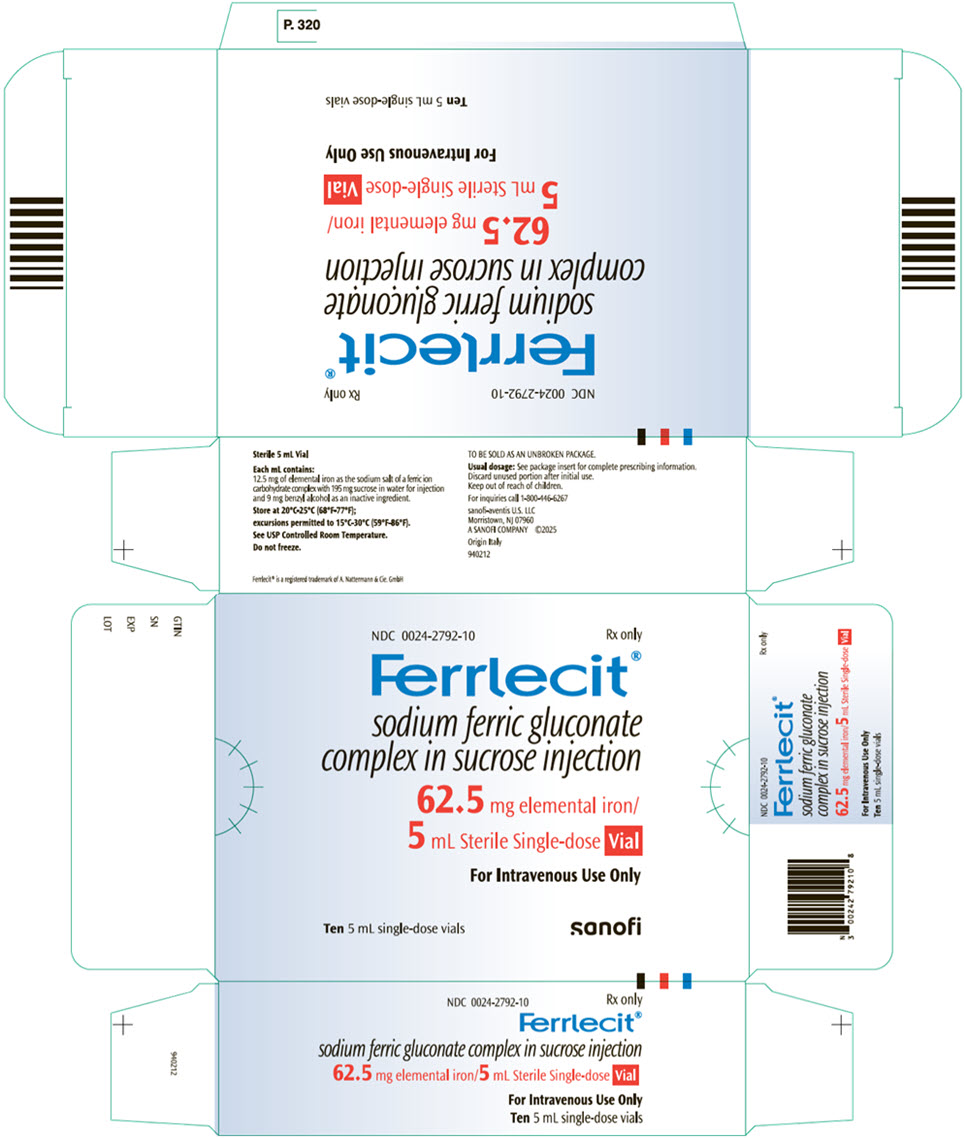
Principal Display Panel 5 Ml Vial Carton
NDC 0024-2792-10
Rx only
Ferrlecit®
sodium ferric gluconate
complex in sucrose injection
62.5 mg elemental iron/
5 mL Sterile Single-dose Vial
For Intravenous Use Only
Ten 5 mL single-dose vials
sanofi
13.1 Carcinogenesis, Mutagenesis, Impairment of Fertility
Long term carcinogenicity studies of sodium ferric gluconate in animals were not performed.
Sodium ferric gluconate was not genotoxic in the Ames test or the rat micronucleus test. Sodium ferric gluconate produced a clastogenic effect in an in vitro chromosomal aberration assay in Chinese hamster ovary cells.
Studies to assess the effects of sodium ferric gluconate on fertility were not conducted.
5.4 Risk of Serious Adverse Reactions in Infants Due to Benzyl Alcohol Preservative
Ferrlecit is not approved for use in neonates or infants. Serious and fatal adverse reactions including "gasping syndrome" can occur in neonates and low-birth-weight infants treated with benzyl alcohol–preserved drugs, including Ferrlecit. The "gasping syndrome" is characterized by central nervous system depression, metabolic acidosis, and gasping respirations. The minimum amount of benzyl alcohol at which serious adverse reactions may occur is not known (Ferrlecit contains 9 mg of benzyl alcohol per mL) [see Use in Specific Populations (8.4)].
Structured Label Content
Section 42229-5 (42229-5)
Studies A and B
In multiple dose Studies A and B (total 126 adult patients), the most frequent treatment emergent adverse reactions following Ferrlecit were:
Body as a Whole: injection site reaction (33%), chest pain (10%), pain (10%), asthenia (7%), headache (7%), fatigue (6%), fever (5%), malaise, infection, abscess, chills, rigors, carcinoma, flu-like syndrome, sepsis, lightheadedness, weakness.
Nervous System: cramps (25%), dizziness (13%), paresthesias (6%), agitation, somnolence, decreased level of consciousness.
Respiratory System: dyspnea (11%), coughing (6%), upper respiratory infections (6%), rhinitis, pneumonia.
Cardiovascular System: hypotension (29%), hypertension (13%), syncope (6%), tachycardia (5%), bradycardia, vasodilatation, angina pectoris, myocardial infarction, pulmonary edema.
Gastrointestinal System: nausea, vomiting and/or diarrhea (35%), anorexia, abdominal pain (6%), rectal disorder, dyspepsia, eructation, flatulence, gastrointestinal disorder, melena.
Musculoskeletal System: leg cramps (10%), myalgia, arthralgia, back pain, arm pain.
Skin and Appendages: pruritus (6%), rash, increased sweating.
Genitourinary System: urinary tract infection, and menorrhagia.
Special Senses: conjunctivitis, rolling of the eyes, watery eyes, puffy eye lids, arcus senilis, redness of the eye, diplopia, and deafness.
Metabolic and Nutritional Disorders: hyperkalemia (6%), generalized edema (5%), leg edema, peripheral edema, hypoglycemia, edema, hypervolemia, hypokalemia.
Hematologic System: abnormal erythrocytes (11%) (changes in morphology, color, or number of red blood cells), anemia, leukocytosis, lymphadenopathy.
Section 44425-7 (44425-7)
Storage
Store at 20°C–25°C (68°F–77°F); excursions permitted to 15°C–30°C (59°F–86°F). See USP Controlled Room Temperature. Do not freeze.
Keep out of the reach of children.
10 Overdosage (10 OVERDOSAGE)
The Ferrlecit iron complex is not dialyzable.
No data is available regarding overdose of Ferrlecit in humans. Excessive dosages of Ferrlecit may lead to accumulation of iron in storage sites potentially leading to hemosiderosis. Do not administer Ferrlecit to patients with iron overload [see Warnings and Precautions (5.3)].
Individual doses exceeding 125 mg may be associated with a higher incidence and/or severity of adverse events [see Adverse Reactions (6.2)].
Ferrlecit at elemental iron doses of 125 mg/kg, 78.8 mg/kg, 62.5 mg/kg and 250 mg/kg caused deaths in mice, rats, rabbits, and dogs respectively. The major symptoms of acute toxicity were decreased activity, staggering, ataxia, increases in the respiratory rate, tremor, and convulsions.
11 Description (11 DESCRIPTION)
Ferrlecit® (sodium ferric gluconate complex in sucrose injection), an iron replacement product, is a stable macromolecular complex with an apparent molecular weight on gel chromatography of 289,000–440,000 daltons. The macromolecular complex is negatively charged at alkaline pH and is present in solution with sodium cations. The product has a deep red color indicative of ferric oxide linkages. The chemical name is D-Gluconic acid, iron (3+) sodium salt.
The structural formula is considered to be [NaFe2O3(C6H11O7)(C12H22011)5]n≈200•
Ferrlecit is supplied as a clear, dark brown liquid in colorless glass vials. Each sterile, single-dose vial of 5 mL of Ferrlecit for intravenous injection contains 62.5 mg (12.5 mg/mL) of elemental iron as the sodium salt of a ferric ion carbohydrate complex in an alkaline aqueous solution with approximately 20% sucrose w/v (195 mg/mL) in water for injection, pH 7.7–9.7.
Each mL contains 9 mg of benzyl alcohol as an inactive ingredient.
5.2 Hypotension
Ferrlecit may cause clinically significant hypotension. Hypotension associated with lightheadedness, malaise, fatigue, weakness or severe pain in the chest, back, flanks, or groin has been reported. These hypotensive reactions may or may not be associated with signs and symptoms of hypersensitivity reactions and usually resolve within one to two hours. In the single-dose safety study, postadministration hypotensive events were observed in 22/1,097 patients (2%) following Ferrlecit administration. Transient hypotension may occur during dialysis. Administration of Ferrlecit may augment hypotension caused by dialysis. Monitor patients for signs and symptoms of hypotension during and following Ferrlecit administration [see Adverse Reactions (6.1)].
5.3 Iron Overload
Excessive therapy with parenteral iron can lead to excess storage of iron with the possibility of iatrogenic hemosiderosis. Patients receiving Ferrlecit require periodic monitoring of hematologic and iron parameters (hemoglobin, hematocrit, serum ferritin, and transferrin saturation).
8.4 Pediatric Use
The safety and effectiveness of Ferrlecit have been established in pediatric patients 6 to 15 years of age [see Dosage and Administration (2.3), Clinical Pharmacology (12.3), and Clinical Studies (14)]. Safety and effectiveness in pediatric patients younger than 6 years of age have not been established.
8.5 Geriatric Use
Clinical studies of Ferrlecit did not include sufficient numbers of subjects aged 65 and over to determine whether they respond differently from younger subjects. Other reported clinical experience has not identified differences in responses between the elderly and younger patients. In general, dose selection for an elderly patient should be cautious, usually starting at the low end of the dosing range, reflecting the greater frequency of decreased hepatic, renal, or cardiac function, and of concomitant disease or other drug therapy.
14 Clinical Studies (14 CLINICAL STUDIES)
Two clinical studies (Studies A and B) were conducted in adults and one clinical study was conducted in pediatric patients (Study C) to assess the efficacy and safety of Ferrlecit.
4 Contraindications (4 CONTRAINDICATIONS)
Ferrlecit is contraindicated in patients with known hypersensitivity to sodium ferric gluconate or any of its components. Reactions have included anaphylaxis [see Warnings and Precautions (5.1)].
6 Adverse Reactions (6 ADVERSE REACTIONS)
The following clinically significant adverse reactions are discussed in greater detail in other sections of the labeling:
- Hypersensitivity [see Contraindications (4) and Warnings and Precautions (5.1)]
- Hypotension [see Warnings and Precautions (5.2)]
7 Drug Interactions (7 DRUG INTERACTIONS)
Drug-drug interactions involving Ferrlecit have not been studied. Ferrlecit may reduce the absorption of concomitantly administered oral iron preparations.
12.3 Pharmacokinetics
Multiple sequential single-dose intravenous pharmacokinetic studies were performed on 14 healthy iron-deficient volunteers. Entry criteria included hemoglobin ≥10.5 gm/dL and transferrin saturation ≤15% (TSAT) or serum ferritin value ≤20 ng/mL. In the first stage, each subject was randomized 1:1 to undiluted Ferrlecit injection of either 125 mg/hr or 62.5 mg/0.5 hr (2.1 mg/min). Five days after the first stage, each subject was re-randomized 1:1 to undiluted Ferrlecit injection of either 125 mg/7 min or 62.5 mg/4 min (>15.5 mg/min).
Peak drug levels (Cmax) varied significantly by dosage and by rate of administration with the highest Cmax observed in the regimen in which 125 mg was administered in 7 minutes (19.0 mg/L). The terminal elimination half-life for drug bound iron was approximately 1 hour. Half-life varied by dose but not by rate of administration. Half-life values were 0.85 and 1.45 hours for the 62.5 mg/4 min and 125 mg/7 min regimens, respectively. Total clearance of Ferrlecit was 3.02 to 5.35 L/h. The AUC for Ferrlecit bound iron varied by dose from 17.5 mg-h/L (62.5 mg) to 35.6 mg-h/L (125 mg). Approximately 80% of drug bound iron was delivered to transferrin as a mononuclear ionic iron species within 24 hours of administration in each dosage regimen. Direct movement of iron from Ferrlecit to transferrin was not observed. Mean peak transferrin saturation returned to near baseline by 40 hours after administration of each dosage regimen.
1 Indications and Usage (1 INDICATIONS AND USAGE)
Ferrlecit is indicated for the treatment of iron deficiency anemia in adult patients and in pediatric patients age 6 years and older with chronic kidney disease receiving hemodialysis who are receiving supplemental epoetin therapy.
12.1 Mechanism of Action
Ferrlecit is used to replete the body content of iron. Iron is critical for normal hemoglobin synthesis to maintain oxygen transport. Additionally, iron is necessary for metabolism and various enzymatic processes.
5 Warnings and Precautions (5 WARNINGS AND PRECAUTIONS)
- Hypersensitivity Reactions: Monitor patients for signs and symptoms of hypersensitivity during and after Ferrlecit administration for at least 30 minutes and until clinically stable following completion of the infusion. Only administer Ferrlecit when personnel and therapies are immediately available for the treatment of anaphylaxis and other hypersensitivity reactions. (5.1)
- Hypotension: Ferrlecit may cause hypotension. Monitor patients for signs and symptoms of hypotension during and following each Ferrlecit dose. (5.2)
- Iron Overload: Regularly monitor hematologic responses during Ferrlecit therapy. Do not administer Ferrlecit to patients with iron overload. (5.3)
- Benzyl Alcohol Toxicity: Premature and low-birth-weight infants may be more likely to develop toxicity. (5.4)
2 Dosage and Administration (2 DOSAGE AND ADMINISTRATION)
- Adult Patients - The recommended adult dosage is 10 mL (125 mg of elemental iron) diluted in 100 mL of 0.9% sodium chloride administered by intravenous infusion over 1 hour per dialysis session or undiluted as a slow intravenous injection (at a rate of up to 12.5 mg/min) per dialysis session. (2.2)
- Pediatric Patients - The recommended pediatric dosage is 0.12 mL/kg (1.5 mg/kg of elemental iron) diluted in 25 mL 0.9% sodium chloride and administered by intravenous infusion over 1 hour per dialysis session. (2.3)
- Do not mix Ferrlecit with other medications or add to parenteral nutrition solutions for intravenous infusion.
- Administer in 0.9% saline. (2)
3 Dosage Forms and Strengths (3 DOSAGE FORMS AND STRENGTHS)
Injection: 62.5 mg/5 mL (12.5 mg/mL) clear, dark brown liquid in single-dose vial
6.2 Postmarketing Experience
In the single-dose, postmarketing, safety study, 11% of patients who received Ferrlecit and 9.4% of patients who received placebo reported adverse reactions. The most frequent adverse reactions following Ferrlecit administration were: hypotension (2%), nausea, vomiting and/or diarrhea (2%), pain (0.7%), hypertension (0.6%), allergic reaction (0.5%), chest pain (0.5%), pruritus (0.5%), and back pain (0.4%). The following additional events were reported in two or more patients: hypertonia, nervousness, dry mouth, and hemorrhage.
In the multiple-dose, open-label surveillance study, 28% of the patients received concomitant angiotensin-converting enzyme inhibitor (ACEI) therapy. The incidences of both drug intolerance and suspected allergic events following first dose Ferrlecit administration were 1.6% in patients with concomitant ACEI use compared to 0.7% in patients without concomitant ACEI use. The patient with a life-threatening event was not on ACEI therapy. One patient had facial flushing immediately on Ferrlecit exposure. No hypotension occurred and the event resolved rapidly and spontaneously without intervention other than drug withdrawal.
Because these reactions are reported voluntarily from a population of uncertain size, it is not always possible to reliably estimate their frequency or establish a causal relationship to drug exposure.
The following additional adverse reactions have been identified with the use of Ferrlecit from postmarketing spontaneous reports:
Cardiovascular System: shock, fetal bradycardia, injection site superficial thrombophlebitis, phlebitis, acute myocardial ischemia with or without myocardial infarction or with in-stent thrombosis in the context of a hypersensitivity reaction.
Gastrointestinal System: dysgeusia.
Immune System: anaphylactic-type reactions.
Nervous System: loss of consciousness, generalized convulsion, hypoesthesia.
Skin and Appendages: skin discoloration, pallor.
Individual doses exceeding 125 mg may be associated with a higher incidence and/or severity of adverse events based on information from postmarketing spontaneous reports. These adverse events included hypotension, nausea, vomiting, abdominal pain, diarrhea, dizziness, dyspnea, urticaria, chest pain, paresthesia, and peripheral swelling.
8 Use in Specific Populations (8 USE IN SPECIFIC POPULATIONS)
- Pregnancy: Risk of hypersensitivity reaction which may have serious consequences for the fetus. Use only if clearly needed (contains benzyl alcohol). (8.1)
- Lactation: Not recommended when breastfeeding. (8.2)
- Pediatric Use: Safety and effectiveness have not been established in pediatric patients <6 years of age. (8.4)
5.1 Hypersensitivity Reactions
Serious hypersensitivity reactions, including anaphylactic-type reactions, some of which have been life-threatening and fatal, have been reported in patients receiving Ferrlecit in postmarketing experience. Patients may present with shock, clinically significant hypotension, loss of consciousness, or collapse. Monitor patients for signs and symptoms of hypersensitivity during and after Ferrlecit administration for at least 30 minutes and until clinically stable following completion of the infusion. Only administer Ferrlecit when personnel and therapies are immediately available for the treatment of anaphylaxis and other hypersensitivity reactions [see Adverse Reactions (6)].
In the single-dose, postmarketing safety study one patient experienced a life-threatening hypersensitivity reaction (diaphoresis, nausea, vomiting, severe lower back pain, dyspnea, and wheezing for 20 minutes) following Ferrlecit administration. Among 1,097 patients who received Ferrlecit in this study, there were 9 patients (0.8%) who had an adverse reaction that, in the view of the investigator, precluded further Ferrlecit administration. These included one life-threatening reaction, six allergic reactions (including pruritus, facial flushing, chills, dyspnea/chest pain, and rash), and two other reactions (hypotension and nausea). Another 2 patients experienced (0.2%) allergic reactions not deemed to represent drug intolerance (nausea/malaise and nausea/dizziness) following Ferrlecit administration.
6.1 Clinical Trials Experience
Because clinical studies are conducted under widely varying conditions, adverse reaction rates observed in the clinical studies of a drug cannot be directly compared to rates in the clinical studies of another drug and may not reflect the rates observed in practice.
The most commonly reported adverse reactions (≥10%) in adult patients were nausea, vomiting and/or diarrhea, injection site reaction, hypotension, cramps, hypertension, dizziness, abnormal erythrocytes (e.g., changes in morphology, color, or number of red blood cells), dyspnea, chest pain, leg cramps and pain. In patients 6 to 15 years of age the most common adverse reactions (≥10%) were hypotension, headache, hypertension, tachycardia and vomiting.
17 Patient Counseling Information (17 PATIENT COUNSELING INFORMATION)
Prior to Ferrlecit administration:
- Question patients regarding any prior history of reactions to parenteral iron products.
- Advise patients of the risks associated with Ferrlecit.
- Advise patients to report adverse reactions associated with the use of Ferrlecit, including hypersensitivity, allergic reactions, chest pain, dizziness, lightheadedness, swelling, and breathing problems [see Warnings and Precautions (5.1, 5.2) and Adverse Reactions (6.1, 6.2)].
Advise patients that Ferrlecit may reduce the absorption of concomitantly administered oral iron preparations [see Drug Interactions (7)].
2.2 Adult Dosage and Administration
The recommended dosage of Ferrlecit for the repletion treatment of iron deficiency in hemodialysis patients is 10 mL of Ferrlecit (125 mg of elemental iron). Ferrlecit may be diluted in 100 mL of 0.9% sodium chloride administered by intravenous infusion over 1 hour per dialysis session. Ferrlecit may also be administered undiluted as a slow intravenous injection (at a rate of up to 12.5 mg/min) per dialysis session. For repletion treatment most patients may require a cumulative dose of 1000 mg of elemental iron administered over 8 dialysis sessions. Ferrlecit has been administered at sequential dialysis sessions by infusion or by slow intravenous injection during the dialysis session itself.
Data from Ferrlecit postmarketing spontaneous reports indicate that individual doses exceeding 125 mg may be associated with a higher incidence and/or severity of adverse events [see Adverse Reactions (6.2)].
16 How Supplied/storage and Handling (16 HOW SUPPLIED/STORAGE AND HANDLING)
How Supplied
Ferrlecit is a clear, dark brown liquid supplied in colorless glass vials. Each sterile, single-dose vial contains 62.5 mg of elemental iron in 5 mL for intravenous use. Discard unused portion.
Carton containing 10 vials: NDC 0024-2792-10
2.3 Pediatric Dosage and Administration
The recommended pediatric dosage of Ferrlecit for the repletion treatment of iron deficiency in hemodialysis patients is 0.12 mL/kg Ferrlecit (1.5 mg/kg of elemental iron) diluted in 25 mL 0.9% sodium chloride and administered by intravenous infusion over 1 hour per dialysis session. The maximum dosage should not exceed 125 mg per dose.
2.1 Important Administration Instructions
The dosage of Ferrlecit is expressed in terms of mg of elemental iron. Each 5 mL sterile, single-dose vial contains 62.5 mg of elemental iron (12.5 mg/mL).
Do not mix Ferrlecit with other medications or add to parenteral nutrition solutions for intravenous infusion. The compatibility of Ferrlecit with intravenous infusion vehicles other than 0.9% sodium chloride has not been evaluated. Parenteral drug products should be inspected visually for particulate matter and discoloration before administration, whenever the solution and container permit. If diluted, use immediately.
Ferrlecit treatment may be repeated if iron deficiency reoccurs.
Principal Display Panel 5 Ml Vial Carton (PRINCIPAL DISPLAY PANEL - 5 mL Vial Carton)
NDC 0024-2792-10
Rx only
Ferrlecit®
sodium ferric gluconate
complex in sucrose injection
62.5 mg elemental iron/
5 mL Sterile Single-dose Vial
For Intravenous Use Only
Ten 5 mL single-dose vials
sanofi
13.1 Carcinogenesis, Mutagenesis, Impairment of Fertility
Long term carcinogenicity studies of sodium ferric gluconate in animals were not performed.
Sodium ferric gluconate was not genotoxic in the Ames test or the rat micronucleus test. Sodium ferric gluconate produced a clastogenic effect in an in vitro chromosomal aberration assay in Chinese hamster ovary cells.
Studies to assess the effects of sodium ferric gluconate on fertility were not conducted.
5.4 Risk of Serious Adverse Reactions in Infants Due to Benzyl Alcohol Preservative
Ferrlecit is not approved for use in neonates or infants. Serious and fatal adverse reactions including "gasping syndrome" can occur in neonates and low-birth-weight infants treated with benzyl alcohol–preserved drugs, including Ferrlecit. The "gasping syndrome" is characterized by central nervous system depression, metabolic acidosis, and gasping respirations. The minimum amount of benzyl alcohol at which serious adverse reactions may occur is not known (Ferrlecit contains 9 mg of benzyl alcohol per mL) [see Use in Specific Populations (8.4)].
Advanced Ingredient Data
Raw Label Data
All Sections (JSON)
Additional Information
Back to search View SPL set listing Open on DailyMed ↗
Source: dailymed · Ingested: 2026-02-15T11:50:33.533966 · Updated: 2026-03-14T22:37:51.668409