prometrium®
1cf237ff-c4f8-4faa-a7aa-77599c856889
34391-3
HUMAN PRESCRIPTION DRUG LABEL
Drug Facts
Composition & Product
Identifiers & Packaging
Indications and Usage
PROMETRIUM ® (progesterone, USP) Capsules are indicated for use in the prevention of endometrial hyperplasia in nonhysterectomized postmenopausal women who are receiving conjugated estrogens tablets. They are also indicated for use in secondary amenorrhea.
Contraindications
PROMETRIUM is contraindicated in women with any of the following conditions: 1. Hypersensitivity to its ingredients. PROMETRIUM Capsules contain peanut oil and is contraindicated in patients allergic to peanuts. 2. Abnormal genital bleeding of unknown etiology. 3. Known, suspected, or history of breast cancer. 4. Active deep vein thrombosis, pulmonary embolism or history of these conditions. 5. Active arterial thromboembolic disease (for example, stroke and myocardial infarction), or a history of these conditions. 6. Known liver dysfunction or disease.
Adverse Reactions
See WARNINGS and PRECAUTIONS . Because clinical trials are conducted under widely varying conditions, adverse reaction rates observed in the clinical trials of a drug cannot be directly compared to rates in the clinical trials of another drug and may not reflect the rates observed in practice. In a multicenter, randomized, double-blind, placebo-controlled clinical trial, the effects of PROMETRIUM Capsules on the endometrium was studied in a total of 875 postmenopausal women. Table 7 lists adverse reactions greater than or equal to 2 percent of women who received cyclic PROMETRIUM Capsules 200 mg daily (12 days per calendar month cycle) with 0.625 mg conjugated estrogens or placebo. TABLE 7. Adverse Reactions (≥ 2%) Reported in an 875 Patient Placebo-Controlled Trial in Postmenopausal Women Over a 3-Year Period [Percentage (%) of Patients Reporting] PROMETRIUM Capsules 200 mg with Conjugated Estrogens 0.625 mg Placebo (n=178) (n=174) Headache 31 27 Breast Tenderness 27 6 Joint Pain 20 29 Depression 19 12 Dizziness 15 9 Abdominal Bloating 12 5 Hot Flashes 11 35 Urinary Problems 11 9 Abdominal Pain 10 10 Vaginal Discharge 10 3 Nausea / Vomiting 8 7 Worry 8 4 Chest Pain 7 5 Diarrhea 7 4 Night Sweats 7 17 Breast Pain 6 2 Swelling of Hands and Feet 6 9 Vaginal Dryness 6 10 Constipation 3 2 Breast Carcinoma 2 <1 Breast Excisional Biopsy 2 <1 Cholecystectomy 2 <1
Drug Interactions
The metabolism of progesterone by human liver microsomes was inhibited by ketoconazole (IC 50 < 0.1 μM). Ketoconazole is a known inhibitor of cytochrome P450 3A4, hence these data suggest that ketoconazole or other known inhibitors of this enzyme may increase the bioavailability of progesterone. The clinical relevance of the in vitro findings is unknown. Coadministration of conjugated estrogens and PROMETRIUM Capsules to 29 postmenopausal women over a 12-day period resulted in an increase in total estrone concentrations (C max 3.68 ng/mL to 4.93 ng/mL) and total equilin concentrations (C max 2.27 ng/mL to 3.22 ng/mL) and a decrease in circulating 17β estradiol concentrations (C max 0.037 ng/mL to 0.030 ng/mL). The half-life of the conjugated estrogens was similar with coadministration of PROMETRIUM Capsules. Table 2 summarizes the pharmacokinetic parameters. TABLE 2. Mean (± S.D.) Pharmacokinetic Parameters for Estradiol, Estrone, and Equilin Following Coadministration of Conjugated Estrogens 0.625 mg and PROMETRIUM Capsules 200 mg for 12 Days to Postmenopausal Women Conjugated Estrogens Conjugated Estrogens plus PROMETRIUM Capsules Drug C max (ng/mL) T max (hr) AUC (0-24h) (ng × h/mL) C max (ng/mL) T max (hr) AUC (0-24h) (ng × h/mL) Estradiol 0.037 ± 0.048 12.7 ± 9.1 0.676 ± 0.737 0.030 ± 0.032 17.32 ± 1.21 0.561 ± 0.572 Estrone Total Total estrogens is the sum of conjugated and unconjugated estrogen. 3.68 ± 1.55 10.6 ± 6.8 61.3 ± 26.36 4.93 ± 2.07 7.5 ± 3.8 85.9 ± 41.2 Equilin Total 2.27 ± 0.95 6.0 ± 4.0 28.8 ± 13.0 3.22 ± 1.13 5.3 ± 2.6 38.1 ± 20.2
How Supplied
PROMETRIUM ® (progesterone, USP) Capsules 100 mg are round, peach-colored capsules branded with black imprint "SV." NDC 72989-372-30 (Bottle of 30) PROMETRIUM ® (progesterone, USP) Capsules 200 mg are oval, pale yellow-colored capsules branded with black imprint "SV2." NDC 72989-373-30 (Bottle of 30)
Patient Information
PROMETRIUM ® (progesterone, USP) Capsules 100 mg Capsules 200 mg Rx only Read this PATIENT INFORMATION before you start taking PROMETRIUM ® (progesterone, USP) Capsules and read what you get each time you refill your PROMETRIUM Capsules prescription. There may be new information. This information does not take the place of talking to your healthcare provider about your medical condition or your treatment. THIS PRODUCT CONTAINS PEANUT OIL AND SHOULD NOT BE USED IF YOU ARE ALLERGIC TO PEANUTS. What is PROMETRIUM Capsules? PROMETRIUM Capsules contain the female hormone called progesterone. What is PROMETRIUM Capsules used for? Treatment of Menstrual Irregularities PROMETRIUM Capsules are used for the treatment of secondary amenorrhea (absence of menstrual periods in women who have previously had a menstrual period) due to a decrease in progesterone. When you do not produce enough progesterone, menstrual irregularities can occur. If your healthcare provider has determined your body does not produce enough progesterone on its own, PROMETRIUM Capsules may be prescribed to provide the progesterone you need. Protection of the Endometrium (Lining of the Uterus) PROMETRIUM Capsules are used in combination with estrogen-containing medications in a postmenopausal woman with a uterus (womb). Taking estrogen-alone increases the chance of developing a condition called endometrial hyperplasia that may lead to cancer of the lining of the uterus (womb). The addition of a progestin is generally recommended for a woman with a uterus to reduce the chance of getting cancer of the uterus (womb). Who should not take PROMETRIUM Capsules? Do not start taking PROMETRIUM Capsules if you: • Are allergic to peanuts • Have unusual vaginal bleeding • Currently have or have had certain cancers Estrogen plus progestin treatment may increase the chance of getting certain types of cancers, including cancer of the breast or uterus. If you have or have had cancer, talk with your healthcare provider about whether you should take PROMETRIUM Capsules. • Had a stroke or heart attack • Currently have or have had blood clots • Currently have or have had liver problems • Are allergic to PROMETRIUM Capsules or any of its ingredients See the list of ingredients in PROMETRIUM Capsules at the end of this leaflet. Tell your healthcare provider: • If you are breastfeeding. The hormone in PROMETRIUM Capsules can pass into your breast milk. • About all of your medical problems. Your healthcare provider may need to check you more carefully if you have certain conditions, such as asthma (wheezing), epilepsy (seizures), diabetes, migraine, endometriosis, lupus, problems with your heart, liver, thyroid, or kidneys, or have high calcium levels in your blood. • About all the medicines you take. This includes prescription and nonprescription medicines, vitamins, and herbal supplements. Some medicines may affect how PROMETRIUM Capsules work. PROMETRIUM Capsules may also affect how your other medicines work. How should I take PROMETRIUM Capsules? 1. Prevention of Endometrial Hyperplasia: A post-menopausal woman with a uterus who is taking estrogens should take a single daily dose of 200 mg PROMETRIUM Capsules at bedtime for 12 continuous days per 28-day cycle. 2. Secondary Amenorrhea: PROMETRIUM Capsules may be given as a single daily dose of 400 mg at bedtime for 10 days. 3. PROMETRIUM Capsules are to be taken at bedtime as some women become very drowsy and/or dizzy after taking PROMETRIUM Capsules. In a few cases, symptoms may include blurred vision, difficulty speaking, difficulty with walking, and feeling abnormal. If you experience these symptoms, discuss them with your healthcare provider right away. 4. If you experience difficulty in swallowing PROMETRIUM Capsules, it is recommended that you take your daily dose at bedtime with a glass of water while in the standing position. What are the possible side effects of PROMETRIUM Capsules? Side effects are grouped by how serious they are and how often they happen when you are treated: Serious, but less common side effects include: • Risk to the Fetus: Cases of cleft palate, cleft lip, hypospadias, ventricular septal defect, patent ductus arteriosus, and other congenital heart defects. • Abnormal Blood Clotting: Stroke, heart attack, pulmonary embolus, visual loss or blindness. Some of the warning signs of serious side effects include: • Changes in vision or speech • Sudden new severe headaches • Severe pains in your chest or legs with or without shortness of breath, weakness and fatigue • Dizziness and faintness • Vomiting Call your healthcare provider right away if you get any of these warning signs, or any other unusual symptoms that concern you. Less serious, but common side effects include: • Headaches • Breast pain • Irregular vaginal bleeding or spotting • Stomach or abdominal cramps, bloating • Nausea and vomiting • Hair loss • Fluid retention • Vaginal yeast infection These are not all the possible side effects of PROMETRIUM ® (progesterone, USP) Capsules. For more information, ask your healthcare provider or pharmacist for advice about side effects. You may report side effects to Acertis Pharmaceuticals, LLC at 1-888-848-3593 or to FDA at 1-800-FDA-1088. What can I do to lower my chances of getting a serious side effect with PROMETRIUM Capsules? • Talk with your healthcare provider regularly about whether you should continue taking PROMETRIUM Capsules. • See your healthcare provider right away if you get unusual vaginal bleeding while taking PROMETRIUM Capsules. • Have a pelvic exam, breast exam, and mammogram (breast X-ray) every year unless your healthcare provider tells you something else. If members of your family have had breast cancer or if you have ever had breast lumps or an abnormal mammogram, you may need to have breast exams more often. • If you have high blood pressure, high cholesterol (fat in the blood), diabetes, are overweight, or if you use tobacco, you may have higher chances for getting heart disease. Ask your healthcare provider for ways to lower your chances for getting heart disease. General information about safe and effective use of PROMETRIUM Capsules • Medicines are sometimes prescribed for conditions that are not mentioned in patient information leaflets. Do not take PROMETRIUM Capsules for conditions for which it was not prescribed. • Your healthcare provider has prescribed this drug for you and you alone. Do not give PROMETRIUM Capsules to other people, even if they have the same symptoms you have. It may harm them. • PROMETRIUM Capsules should be taken as a single daily dose at bedtime. Some women may experience extreme dizziness and/or drowsiness during initial therapy. In a few cases, symptoms may include blurred vision, difficulty speaking, difficulty with walking, and feeling abnormal. If you experience these symptoms, discuss them with your healthcare provider right away. • Use caution when driving a motor vehicle or operating machinery as dizziness or drowsiness may occur. Keep PROMETRIUM Capsules out of the reach of children. This leaflet provides a summary of the most important information about PROMETRIUM Capsules. If you would like more information, talk with your healthcare provider or pharmacist. You can ask for information about PROMETRIUM Capsules that is written for health professionals. You can get more information by calling the toll free number 1-888-848-3593. What are the ingredients in PROMETRIUM Capsules? Active ingredient: 100 mg or 200 mg micronized progesterone The inactive ingredients for PROMETRIUM Capsules 100 mg include: peanut oil NF, gelatin NF, glycerin USP, lecithin NF, titanium dioxide USP, FD&C Red No. 40, and D&C Yellow No. 10. The inactive ingredients for PROMETRIUM Capsules 200 mg include: peanut oil NF, gelatin NF, glycerin USP, lecithin NF, titanium dioxide USP, D&C Yellow No. 10, and FD&C Yellow No. 6. HOW SUPPLIED PROMETRIUM Capsules 100 mg are round, peach-colored capsules branded with black imprint "SV." PROMETRIUM Capsules 200 mg are oval, pale yellow-colored capsules branded with black imprint "SV2." Store at 25°C (77°F); excursions permitted to 15° to 30°C (59° to 86°F) [See USP Controlled Room Temperature]. Protect from excessive moisture. Distributed by: Acertis Pharmaceuticals, LLC Raleigh, NC 276011-888-848-3593 10226 Rev. 02/2026
Description
Capsules 100 mg Capsules 200 mg Rx only
Medication Information
Indications and Usage
PROMETRIUM® (progesterone, USP) Capsules are indicated for use in the prevention of endometrial hyperplasia in nonhysterectomized postmenopausal women who are receiving conjugated estrogens tablets. They are also indicated for use in secondary amenorrhea.
Contraindications
PROMETRIUM is contraindicated in women with any of the following conditions:
-
1.Hypersensitivity to its ingredients. PROMETRIUM Capsules contain peanut oil and is contraindicated in patients allergic to peanuts.
-
2.Abnormal genital bleeding of unknown etiology.
-
3.Known, suspected, or history of breast cancer.
-
4.Active deep vein thrombosis, pulmonary embolism or history of these conditions.
-
5.Active arterial thromboembolic disease (for example, stroke and myocardial infarction), or a history of these conditions.
-
6.Known liver dysfunction or disease.
Adverse Reactions
See WARNINGS and PRECAUTIONS .
Because clinical trials are conducted under widely varying conditions, adverse reaction rates observed in the clinical trials of a drug cannot be directly compared to rates in the clinical trials of another drug and may not reflect the rates observed in practice.
In a multicenter, randomized, double-blind, placebo-controlled clinical trial, the effects of PROMETRIUM Capsules on the endometrium was studied in a total of 875 postmenopausal women. Table 7 lists adverse reactions greater than or equal to 2 percent of women who received cyclic PROMETRIUM Capsules 200 mg daily (12 days per calendar month cycle) with 0.625 mg conjugated estrogens or placebo.
| PROMETRIUM Capsules 200 mg with Conjugated Estrogens 0.625 mg | Placebo | |
|---|---|---|
| (n=178) | (n=174) | |
|
Headache |
31 |
27 |
|
Breast Tenderness |
27 |
6 |
|
Joint Pain |
20 |
29 |
|
Depression |
19 |
12 |
|
Dizziness |
15 |
9 |
|
Abdominal Bloating |
12 |
5 |
|
Hot Flashes |
11 |
35 |
|
Urinary Problems |
11 |
9 |
|
Abdominal Pain |
10 |
10 |
|
Vaginal Discharge |
10 |
3 |
|
Nausea / Vomiting |
8 |
7 |
|
Worry |
8 |
4 |
|
Chest Pain |
7 |
5 |
|
Diarrhea |
7 |
4 |
|
Night Sweats |
7 |
17 |
|
Breast Pain |
6 |
2 |
|
Swelling of Hands and Feet |
6 |
9 |
|
Vaginal Dryness |
6 |
10 |
|
Constipation |
3 |
2 |
|
Breast Carcinoma |
2 |
<1 |
|
Breast Excisional Biopsy |
2 |
<1 |
|
Cholecystectomy |
2 |
<1 |
Drug Interactions
The metabolism of progesterone by human liver microsomes was inhibited by ketoconazole (IC 50 < 0.1 μM). Ketoconazole is a known inhibitor of cytochrome P450 3A4, hence these data suggest that ketoconazole or other known inhibitors of this enzyme may increase the bioavailability of progesterone. The clinical relevance of the in vitro findings is unknown. Coadministration of conjugated estrogens and PROMETRIUM Capsules to 29 postmenopausal women over a 12-day period resulted in an increase in total estrone concentrations (C max 3.68 ng/mL to 4.93 ng/mL) and total equilin concentrations (C max 2.27 ng/mL to 3.22 ng/mL) and a decrease in circulating 17β estradiol concentrations (C max 0.037 ng/mL to 0.030 ng/mL). The half-life of the conjugated estrogens was similar with coadministration of PROMETRIUM Capsules. Table 2 summarizes the pharmacokinetic parameters. TABLE 2. Mean (± S.D.) Pharmacokinetic Parameters for Estradiol, Estrone, and Equilin Following Coadministration of Conjugated Estrogens 0.625 mg and PROMETRIUM Capsules 200 mg for 12 Days to Postmenopausal Women Conjugated Estrogens Conjugated Estrogens plus PROMETRIUM Capsules Drug C max (ng/mL) T max (hr) AUC (0-24h) (ng × h/mL) C max (ng/mL) T max (hr) AUC (0-24h) (ng × h/mL) Estradiol 0.037 ± 0.048 12.7 ± 9.1 0.676 ± 0.737 0.030 ± 0.032 17.32 ± 1.21 0.561 ± 0.572 Estrone Total Total estrogens is the sum of conjugated and unconjugated estrogen. 3.68 ± 1.55 10.6 ± 6.8 61.3 ± 26.36 4.93 ± 2.07 7.5 ± 3.8 85.9 ± 41.2 Equilin Total 2.27 ± 0.95 6.0 ± 4.0 28.8 ± 13.0 3.22 ± 1.13 5.3 ± 2.6 38.1 ± 20.2
How Supplied
PROMETRIUM® (progesterone, USP) Capsules 100 mg are round, peach-colored capsules branded with black imprint "SV."
NDC 72989-372-30 (Bottle of 30)
PROMETRIUM® (progesterone, USP) Capsules 200 mg are oval, pale yellow-colored capsules branded with black imprint "SV2."
NDC 72989-373-30 (Bottle of 30)
Patient Information
PROMETRIUM® (progesterone, USP)
Capsules 100 mg
Capsules 200 mg
Rx only
Read this PATIENT INFORMATION before you start taking PROMETRIUM® (progesterone, USP) Capsules and read what you get each time you refill your PROMETRIUM Capsules prescription. There may be new information. This information does not take the place of talking to your healthcare provider about your medical condition or your treatment.
THIS PRODUCT CONTAINS PEANUT OIL AND SHOULD NOT BE USED IF YOU ARE ALLERGIC TO PEANUTS.
What is PROMETRIUM Capsules?
PROMETRIUM Capsules contain the female hormone called progesterone.
What is PROMETRIUM Capsules used for?
Treatment of Menstrual Irregularities
PROMETRIUM Capsules are used for the treatment of secondary amenorrhea (absence of menstrual periods in women who have previously had a menstrual period) due to a decrease in progesterone. When you do not produce enough progesterone, menstrual irregularities can occur. If your healthcare provider has determined your body does not produce enough progesterone on its own, PROMETRIUM Capsules may be prescribed to provide the progesterone you need.
Protection of the Endometrium (Lining of the Uterus)
PROMETRIUM Capsules are used in combination with estrogen-containing medications in a postmenopausal woman with a uterus (womb). Taking estrogen-alone increases the chance of developing a condition called endometrial hyperplasia that may lead to cancer of the lining of the uterus (womb). The addition of a progestin is generally recommended for a woman with a uterus to reduce the chance of getting cancer of the uterus (womb).
Who should not take PROMETRIUM Capsules?
Do not start taking PROMETRIUM Capsules if you:
-
•Are allergic to peanuts
-
•Have unusual vaginal bleeding
-
•Currently have or have had certain cancers
Estrogen plus progestin treatment may increase the chance of getting certain types of cancers, including cancer of the breast or uterus. If you have or have had cancer, talk with your healthcare provider about whether you should take PROMETRIUM Capsules. -
•Had a stroke or heart attack
-
•Currently have or have had blood clots
-
•Currently have or have had liver problems
-
•Are allergic to PROMETRIUM Capsules or any of its ingredients
See the list of ingredients in PROMETRIUM Capsules at the end of this leaflet.
Tell your healthcare provider:
-
•If you are breastfeeding. The hormone in PROMETRIUM Capsules can pass into your breast milk.
-
•About all of your medical problems. Your healthcare provider may need to check you more carefully if you have certain conditions, such as asthma (wheezing), epilepsy (seizures), diabetes, migraine, endometriosis, lupus, problems with your heart, liver, thyroid, or kidneys, or have high calcium levels in your blood.
-
•About all the medicines you take. This includes prescription and nonprescription medicines, vitamins, and herbal supplements. Some medicines may affect how PROMETRIUM Capsules work. PROMETRIUM Capsules may also affect how your other medicines work.
How should I take PROMETRIUM Capsules?
-
1.Prevention of Endometrial Hyperplasia: A post-menopausal woman with a uterus who is taking estrogens should take a single daily dose of 200 mg PROMETRIUM Capsules at bedtime for 12 continuous days per 28-day cycle.
-
2.Secondary Amenorrhea: PROMETRIUM Capsules may be given as a single daily dose of 400 mg at bedtime for 10 days.
-
3.PROMETRIUM Capsules are to be taken at bedtime as some women become very drowsy and/or dizzy after taking PROMETRIUM Capsules. In a few cases, symptoms may include blurred vision, difficulty speaking, difficulty with walking, and feeling abnormal. If you experience these symptoms, discuss them with your healthcare provider right away.
-
4.If you experience difficulty in swallowing PROMETRIUM Capsules, it is recommended that you take your daily dose at bedtime with a glass of water while in the standing position.
What are the possible side effects of PROMETRIUM Capsules?
Side effects are grouped by how serious they are and how often they happen when you are treated:
Serious, but less common side effects include:
-
•Risk to the Fetus: Cases of cleft palate, cleft lip, hypospadias, ventricular septal defect, patent ductus arteriosus, and other congenital heart defects.
-
•Abnormal Blood Clotting: Stroke, heart attack, pulmonary embolus, visual loss or blindness.
Some of the warning signs of serious side effects include:
-
•Changes in vision or speech
-
•Sudden new severe headaches
-
•Severe pains in your chest or legs with or without shortness of breath, weakness and fatigue
-
•Dizziness and faintness
-
•Vomiting
Call your healthcare provider right away if you get any of these warning signs, or any other unusual symptoms that concern you.
Less serious, but common side effects include:
-
•Headaches
-
•Breast pain
-
•Irregular vaginal bleeding or spotting
-
•Stomach or abdominal cramps, bloating
-
•Nausea and vomiting
-
•Hair loss
-
•Fluid retention
-
•Vaginal yeast infection
These are not all the possible side effects of PROMETRIUM® (progesterone, USP) Capsules. For more information, ask your healthcare provider or pharmacist for advice about side effects. You may report side effects to Acertis Pharmaceuticals, LLC at 1-888-848-3593 or to FDA at 1-800-FDA-1088.
What can I do to lower my chances of getting a serious side effect with PROMETRIUM Capsules?
-
•Talk with your healthcare provider regularly about whether you should continue taking PROMETRIUM Capsules.
-
•See your healthcare provider right away if you get unusual vaginal bleeding while taking PROMETRIUM Capsules.
-
•Have a pelvic exam, breast exam, and mammogram (breast X-ray) every year unless your healthcare provider tells you something else. If members of your family have had breast cancer or if you have ever had breast lumps or an abnormal mammogram, you may need to have breast exams more often.
-
•If you have high blood pressure, high cholesterol (fat in the blood), diabetes, are overweight, or if you use tobacco, you may have higher chances for getting heart disease. Ask your healthcare provider for ways to lower your chances for getting heart disease.
General information about safe and effective use of PROMETRIUM Capsules
-
•Medicines are sometimes prescribed for conditions that are not mentioned in patient information leaflets. Do not take PROMETRIUM Capsules for conditions for which it was not prescribed.
-
•Your healthcare provider has prescribed this drug for you and you alone. Do not give PROMETRIUM Capsules to other people, even if they have the same symptoms you have. It may harm them.
-
•PROMETRIUM Capsules should be taken as a single daily dose at bedtime. Some women may experience extreme dizziness and/or drowsiness during initial therapy. In a few cases, symptoms may include blurred vision, difficulty speaking, difficulty with walking, and feeling abnormal. If you experience these symptoms, discuss them with your healthcare provider right away.
-
•Use caution when driving a motor vehicle or operating machinery as dizziness or drowsiness may occur.
Keep PROMETRIUM Capsules out of the reach of children.
This leaflet provides a summary of the most important information about PROMETRIUM Capsules. If you would like more information, talk with your healthcare provider or pharmacist. You can ask for information about PROMETRIUM Capsules that is written for health professionals. You can get more information by calling the toll free number 1-888-848-3593.
What are the ingredients in PROMETRIUM Capsules?
Active ingredient: 100 mg or 200 mg micronized progesterone
The inactive ingredients for PROMETRIUM Capsules 100 mg include: peanut oil NF, gelatin NF, glycerin USP, lecithin NF, titanium dioxide USP, FD&C Red No. 40, and D&C Yellow No. 10.
The inactive ingredients for PROMETRIUM Capsules 200 mg include: peanut oil NF, gelatin NF, glycerin USP, lecithin NF, titanium dioxide USP, D&C Yellow No. 10, and FD&C Yellow No. 6.
HOW SUPPLIED
PROMETRIUM Capsules 100 mg are round, peach-colored capsules branded with black imprint "SV."
PROMETRIUM Capsules 200 mg are oval, pale yellow-colored capsules branded with black imprint "SV2."
Store at 25°C (77°F); excursions permitted to 15° to 30°C (59° to 86°F) [See USP Controlled Room Temperature].
Protect from excessive moisture.
Distributed by:
Acertis Pharmaceuticals, LLC
Raleigh, NC 276011-888-848-3593
10226 Rev. 02/2026
Description
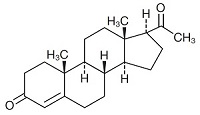
PROMETRIUM® (progesterone, USP) Capsules contain micronized progesterone for oral administration. Progesterone has a molecular weight of 314.47 and a molecular formula of C21H30O2. Progesterone (pregn-4-ene-3, 20-dione) is a white or creamy white, odorless, crystalline powder practically insoluble in water, soluble in alcohol, acetone and dioxane and sparingly soluble in vegetable oils, stable in air, melting between 126° and 131°C. The structural formula is:
Progesterone is synthesized from a starting material from a plant source and is chemically identical to progesterone of human ovarian origin. PROMETRIUM Capsules are available in multiple strengths to afford dosage flexibility for optimum management. PROMETRIUM Capsules contain 100 mg or 200 mg micronized progesterone.
The inactive ingredients for PROMETRIUM Capsules 100 mg include: peanut oil NF, gelatin NF, glycerin USP, lecithin NF, titanium dioxide USP, FD&C Red No. 40, and D&C Yellow No. 10.
The inactive ingredients for PROMETRIUM Capsules 200 mg include: peanut oil NF, gelatin NF, glycerin USP, lecithin NF, titanium dioxide USP, D&C Yellow No. 10, and FD&C Yellow No. 6.
Section 42229-5
Capsules 100 mg
Capsules 200 mg
Rx only
Section 44425-7
Store at 25°C (77°F); excursions permitted to 15° to 30°C (59° to 86°F) [See USP Controlled Room Temperature].
Protect from excessive moisture.
Dispense in tight, light-resistant container as defined in USP/NF, accompanied by a Patient Insert.
Keep out of reach of children.
B. Stroke
In women aged 50 to 59 years, the WHI estrogen plus progestin trial reported a relative risk for stroke of 1.51 (95% CI, 0.81, 2.82) for CE/MPA compared to placebo, with a risk difference of 5 per 10,000 WYs (15 versus 10). (See CLINICAL STUDIES ).
In the overall study population of women aged 50 to 79 years (average 63.4 years), the WHI estrogen plus progestin trial reported relative risk for stroke of 1.37 (95% CI, 1.07, 1.76) for CE/MPA compared to placebo, with a risk difference of 9 per 10,000 WYs (33 versus 24). (See CLINICAL STUDIES).
Overdosage
No studies on overdosage have been conducted in humans. In the case of overdosage, PROMETRIUM® (progesterone, USP) Capsules should be discontinued and the patient should be treated symptomatically.
D. Excretion
The glucuronide and sulfate conjugates of pregnanediol and pregnanolone are excreted in the bile and urine. Progesterone metabolites are eliminated mainly by the kidneys. Progesterone metabolites which are excreted in the bile may undergo enterohepatic recycling or may be excreted in the feces.
E. Pregnancy
PROMETRIUM Capsules should not be used during pregnancy.
Pregnancy Category B: Reproductive studies have been performed in mice at doses up to 9 times the human oral dose, in rats at doses up to 44 times the human oral dose, in rabbits at a dose of 10 mcg/day delivered locally within the uterus by an implanted device, in guinea pigs at doses of approximately one-half the human oral dose and in rhesus monkeys at doses approximately the human dose, all based on body surface area, and have revealed little or no evidence of impaired fertility or harm to the fetus due to progesterone.
A. Absorption
After oral administration of progesterone as a micronized soft-gelatin capsule formulation, maximum serum concentrations were attained within 3 hours. The absolute bioavailability of micronized progesterone is not known. Table 1 summarizes the mean pharmacokinetic parameters in postmenopausal women after five oral daily doses of PROMETRIUM Capsules 100 mg as a micronized soft-gelatin capsule formulation.
| Parameter | PROMETRIUM Capsules Daily Dose | ||
|---|---|---|---|
| 100 mg | 200 mg | 300 mg | |
|
Cmax (ng/mL) |
17.3 ± 21.9 Mean ± S.D.
|
38.1 ± 37.8 |
60.6 ± 72.5 |
|
Tmax (hr) |
1.5 ± 0.8 |
2.3 ± 1.4 |
1.7 ± 0.6 |
|
AUC (0-10) (ng × hr/mL) |
43.3 ± 30.8 |
101.2 ± 66.0 |
175.7 ± 170.3 |
Serum progesterone concentrations appeared linear and dose proportional following multiple dose administration of PROMETRIUM® (progesterone, USP) Capsules 100 mg over the dose range 100 mg per day to 300 mg per day in postmenopausal women. Although doses greater than 300 mg per day were not studied in females, serum concentrations from a study in male volunteers appeared linear and dose proportional between 100 mg per day and 400 mg per day. The pharmacokinetic parameters in male volunteers were generally consistent with those seen in postmenopausal women.
C. Metabolism
Progesterone is metabolized primarily by the liver largely to pregnanediols and pregnanolones. Pregnanediols and pregnanolones are conjugated in the liver to glucuronide and sulfate metabolites. Progesterone metabolites which are excreted in the bile may be deconjugated and may be further metabolized in the intestine via reduction, dehydroxylation, and epimerization.
B. Distribution
Progesterone is approximately 96 percent to 99 percent bound to serum proteins, primarily to serum albumin (50 to 54 percent) and transcortin (43 to 48 percent).
F. Nursing Women
Detectable amounts of progestin have been identified in the milk of nursing women receiving progestins. Caution should be exercised when PROMETRIUM Capsules are administered to a nursing woman.
G. Pediatric Use
PROMETRIUM Capsules are not indicated in children. Clinical studies have not been conducted in the pediatric population.
H. Geriatric Use
There have not been sufficient numbers of geriatric women involved in clinical studies utilizing PROMETRIUM Capsules to determine whether those over 65 years of age differ from younger subjects in their response to PROMETRIUM Capsules.
A. Breast Cancer
Prometrium is contraindicated in women with breast cancer, a history of breast cancer, or estrogen-dependent neoplasia. (See CONTRAINDICATIONS).
Discontinue Prometrium if a hormone-sensitive malignancy is diagnosed. The use of estrogen plus progestin therapy has been reported to result in an increase in abnormal mammograms requiring further evaluation.
Only daily oral CE 0.625 mg and MPA 2.5 mg were studied in the estrogen-alone trial of the WHI. Therefore, the relevance of the WHI findings regarding breast cancer to lower CE plus other MPA doses, other routes of administration, or other estrogen plus progestogen products is not known. Without such data, it is not possible to definitively exclude these risks or determine the extent of these risks for other products.
In women 50-59 years of age, the WHI estrogen plus progestin trial reported a relative risk for invasive breast cancer of 1.21 (95% CI, 0.81, 1.80) for CE/MPA compared to placebo, with a risk difference of 6 per 10,000 WYs (33 versus 27). In this age group, among those who reported no prior use of hormone therapy, the relative risk was 1.06 (95% CI, 0.67, 1.67) for CE/MPA compared to placebo, with a risk difference of 2 per 10,000 WYs (33 versus 31).
In the overall study population of women aged 50-79 years (average 63.4 years), the WHI estrogen plus progestin trial reported a relative risk for invasive breast cancer of 1.24 (95% CI, 1.01, 1.53) for CE/MPA compared to placebo, with a risk difference of 9 per 10,000 WYs (43 versus 35). In the overall study population, among women who reported prior use of hormone therapy, the relative risk of invasive breast cancer was 1.85, (95% CI 1.18, 2.90) for CE/MPA compared to placebo, with a risk difference of 21 per 10,000 WYs (46 versus 25). Among women who reported no prior use of hormone therapy, the relative risk of invasive breast cancer was 1.09, (95% CI 0.86, 1.39), with a risk difference of 4 per 10,000 WYs (40 versus 36). Invasive breast cancers were larger, were more likely to be node positive, and were diagnosed at a more advanced stage in the CE/MPA group compared with the placebo group. Metastatic disease was rare, with no apparent difference between the two groups. Other prognostic factors such as histologic subtype, grade and hormone receptor status did not differ between the groups. (See CLINICAL STUDIES .) Extension of the WHI trial also demonstrated increased breast cancer risk associated with estrogen plus progestin therapy.
Consistent with the WHI trial, observational studies have also reported an increased risk of breast cancer with estrogen plus progestin therapy. A large meta-analysis including 24 prospective studies of postmenopausal women comparing current use of estrogen plus progestin products with use duration of 5 to 14 years (average of 9 years) versus never use reported a relative risk for breast cancer of 2.08 (95% CI, 2.02 to 2.15). These studies have not generally found significant variation in the risk of breast cancer among different estrogen plus progestin combinations, doses, or routes of administration.
Regarding breast cancer mortality, the WHI estrogen plus progestin trial did not show a statistically significant difference between CE/MPA and placebo. The trial reported a relative risk of 1.35 (95% CI, 0.94 to 1.95) for CE/MPA compared to placebo, with a risk difference of 1 per 10,000 WYs (5 versus 4) after a median of 19 years of cumulative follow-up.
B. Ovarian Cancer
In the overall WHI study population of women aged 50 to 79 years (average 63.4 years), the estrogen plus progestin trial reported a relative risk for ovarian cancer of 1.41 (95% CI, 0.75 to 2.66) for CE/MPA versus placebo after an average follow-up of 5.6 years. The risk difference was 1 per 10,000 WYs (5 versus 4). Comparing CE/MPA to placebo, women 50 to 59 years of age had a relative risk for ovarian cancer of 0.30 (95% CI 0.06, 1.47) and the risk difference was -3 per 10,000 WYs (1 versus 4).
A large meta-analysis including 17 prospective studies of postmenopausal women compared current use of estrogen plus progestin products versus never use and reported a relative risk for ovarian cancer of 1.37 (95% CI, 1.26 to 1.48). The duration of hormone therapy use that was associated with an increased risk of ovarian cancer is unknown.
1. Fluid Retention
Progesterone may cause some degree of fluid retention. Women with conditions that might be influenced by this factor, such as cardiac or renal dysfunction, warrant careful observation.
G. Drug Interactions
The metabolism of progesterone by human liver microsomes was inhibited by ketoconazole (IC50 < 0.1 μM). Ketoconazole is a known inhibitor of cytochrome P450 3A4, hence these data suggest that ketoconazole or other known inhibitors of this enzyme may increase the bioavailability of progesterone. The clinical relevance of the in vitro findings is unknown.
Coadministration of conjugated estrogens and PROMETRIUM Capsules to 29 postmenopausal women over a 12-day period resulted in an increase in total estrone concentrations (Cmax 3.68 ng/mL to 4.93 ng/mL) and total equilin concentrations (Cmax 2.27 ng/mL to 3.22 ng/mL) and a decrease in circulating 17β estradiol concentrations (Cmax 0.037 ng/mL to 0.030 ng/mL). The half-life of the conjugated estrogens was similar with coadministration of PROMETRIUM Capsules. Table 2 summarizes the pharmacokinetic parameters.
| Conjugated Estrogens | Conjugated Estrogens plus PROMETRIUM Capsules | |||||
|---|---|---|---|---|---|---|
| Drug |
Cmax
(ng/mL) |
Tmax
(hr) |
AUC(0-24h)
(ng × h/mL) |
Cmax
(ng/mL) |
Tmax
(hr) |
AUC(0-24h)
(ng × h/mL) |
|
Estradiol |
0.037 ± 0.048 |
12.7 ± 9.1 |
0.676 ± 0.737 |
0.030 ± 0.032 |
17.32 ± 1.21 |
0.561 ± 0.572 |
|
Estrone Total Total estrogens is the sum of conjugated and unconjugated estrogen.
|
3.68 ± 1.55 |
10.6 ± 6.8 |
61.3 ± 26.36 |
4.93 ± 2.07 |
7.5 ± 3.8 |
85.9 ± 41.2 |
|
Equilin Total |
2.27 ± 0.95 |
6.0 ± 4.0 |
28.8 ± 13.0 |
3.22 ± 1.13 |
5.3 ± 2.6 |
38.1 ± 20.2 |
Clinical Pharmacology
PROMETRIUM Capsules are an oral dosage form of micronized progesterone which is chemically identical to progesterone of ovarian origin. The oral bioavailability of progesterone is increased through micronization.
B. Patient Information
General: This product contains peanut oil and should not be used if you are allergic to peanuts.
Physicians are advised to discuss the contents of the Patient Information leaflet with patients for whom they prescribe PROMETRIUM Capsules.
E. Special Populations
The pharmacokinetics of PROMETRIUM Capsules have not been assessed in low body weight or obese patients.
Hepatic Insufficiency: The effect of hepatic impairment on the pharmacokinetics of PROMETRIUM Capsules has not been studied.
Renal Insufficiency: The effect of renal impairment on the pharmacokinetics of PROMETRIUM Capsules has not been studied.
3. Vision Abnormalities
Retinal vascular thrombosis has been reported in patients receiving estrogen. Discontinue estrogen plus progestin therapy pending examination if there is sudden partial or complete loss of vision, or if there is a sudden onset of proptosis, diplopia or migraine. If examination reveals papilledema or retinal vascular lesions, estrogen plus progestin therapy should be permanently discontinued.
Postmarketing Experience:
The following additional adverse reactions have been reported with PROMETRIUM Capsules. Because these reactions are reported voluntarily from a population of uncertain size, it is not always possible to reliably estimate the frequency or establish a causal relationship to drug exposure.
Genitourinary System: endometrial carcinoma, hypospadia, intra-uterine death, menorrhagia, menstrual disorder, metrorrhagia, ovarian cyst, spontaneous abortion.
Cardiovascular: circulatory collapse, congenital heart disease (including ventricular septal defect and patent ductus arteriosus), hypertension, hypotension, tachycardia.
Gastrointestinal: acute pancreatitis, cholestasis, cholestatic hepatitis, dysphagia, hepatic failure, hepatic necrosis, hepatitis, increased liver function tests (including alanine aminotransferase increased, aspartate aminotransferase increased, gamma-glutamyl transferase increased), jaundice, swollen tongue.
Skin: alopecia, pruritus, urticaria.
Eyes: blurred vision, diplopia, visual disturbance.
Central Nervous System: aggression, convulsion, depersonalization, depressed consciousness, disorientation, dysarthria, loss of consciousness, paresthesia, sedation, stupor, syncope (with and without hypotension), transient ischemic attack, suicidal ideation.
During initial therapy, a few women have experienced a constellation of many or all of the following symptoms: extreme dizziness and/or drowsiness, blurred vision, slurred speech, difficulty walking, loss of consciousness, vertigo, confusion, disorientation, feeling drunk, and shortness of breath.
Miscellaneous: abnormal gait, anaphylactic reaction, arthralgia, blood glucose increased, choking, cleft lip, cleft palate, difficulty walking, dyspnea, face edema, feeling abnormal, feeling drunk, hypersensitivity, asthma, muscle cramp, throat tightness, tinnitus, vertigo, weight decreased, weight increased.
A. Venous Thromboembolism
In women aged 50 to 59 years, the WHI estrogen plus progestin trial reported a relative risk for PE of 2.05 (95% confidence interval [CI], 0.89, 4.71) for CE/MPA compared to placebo, with a risk difference of 6 per 10,000 women-years (WYs; 11 versus 5). The relative risk for DVT was 3.01 (95% CI, 1.36, 6.66) in those receiving CE/MPA compared to placebo, with a risk difference of 10 per 10,000 WYs (15 versus 5). (See CLINICAL STUDIES).
In the overall study population of women aged 50 to 79 years (average 63.4 years), the trial reported a relative risk for PE of 1.98 (95% CI, 1.36, 2.87) for CE/MPA compared to placebo, with a risk difference of 9 per 10,000 WYs (18 versus 9). The relative risk for DVT was 1.87 (95% CI, 1.37, 2.54) for CE/MPA compared to placebo, with a risk difference of 12 per 10,000 WYs (25 versus 14). (See CLINICAL STUDIES).
C. Coronary Heart Disease
In women 50 to 59 years of age,the WHI estrogen plus progestin trial reported a relative risk for coronary heart disease (CHD) events (defined as nonfatal MI, silent MI, or CHD death) of 1.34 (95% CI, 0.82, 2.19) for CE/MPA compared placebo, with a risk difference of 5 per 10,000 WYs (23 versus 17).
In the overall study population of women aged 50 to 79 years (average 63.4 years), the trial reported a relative risk of CHD of 1.18 (95% CI, 0.95, 1.45) for CE/MPA compared to placebo, with a risk difference of 6 per 10,000 WYs (41 versus 35). (See CLINICAL STUDIES).
In the Heart and Estrogen/Progestin Replacement Study (HERS) and open label extension (HERS II), postmenopausal women with documented heart disease (n = 2,763, average age 66.7 years) received daily CE (0.625 mg) plus MPA or placebo. In Year 1, there were more CHD events in the CE plus MPA-treated group than placebo; however, rates of CHD events were comparable among both groups for the remainder of the duration of the studies (average total follow-up of 6.8 years).
Effects On the Endometrium
In a randomized, double-blind clinical trial, 358 postmenopausal women, each with an intact uterus, received treatment for up to 36 months. The treatment groups were: PROMETRIUM® (progesterone, USP) Capsules at the dose of 200 mg per day for 12 days per 28-day cycle in combination with conjugated estrogens 0.625 mg per day (n=120); conjugated estrogens 0.625 mg per day only (n=119); or placebo (n=119). The subjects in all three treatment groups were primarily Caucasian women (87 percent or more of each group). The results for the incidence of endometrial hyperplasia in women receiving up to 3 years of treatment are shown in Table 3. A comparison of the PROMETRIUM Capsules plus conjugated estrogens treatment group to the conjugated estrogens only group showed a significantly lower rate of hyperplasia (6 percent combination product versus 64 percent estrogen alone) in the PROMETRIUM Capsules plus conjugated estrogens treatment group throughout 36 months of treatment.
| Endometrial Diagnosis | Treatment Group | |||||
|---|---|---|---|---|---|---|
|
Conjugated Estrogens 0.625 mg
+ PROMETRIUM Capsules 200 mg (cyclical) |
Conjugated Estrogens
0.625 mg (alone) |
Placebo | ||||
| Number of patients | % of patients | Number of patients | % of patients | Number of patients | % of patients | |
| n=117 | n=115 | n=116 | ||||
|
HYPERPLASIA Most advanced result to least advanced result:
Adenocarcinoma > atypical hyperplasia > complex hyperplasia > simple hyperplasia |
7 |
6 |
74 |
64 |
3 |
3 |
|
Adenocarcinoma |
0 |
0 |
0 |
0 |
1 |
1 |
|
Atypical hyperplasia |
1 |
1 |
14 |
12 |
0 |
0 |
|
Complex hyperplasia |
0 |
0 |
27 |
23 |
1 |
1 |
|
Simple hyperplasia |
6 |
5 |
33 |
29 |
1 |
1 |
The times to diagnosis of endometrial hyperplasia over 36 months of treatment are shown in Figure 1. This figure illustrates graphically that the proportion of patients with hyperplasia was significantly greater for the conjugated estrogens group (64 percent) compared to the conjugated estrogens plus PROMETRIUM Capsules group (6 percent).
Figure 1. Time to Hyperplasia in Women Receiving up to 36 Months of Treatment
The discontinuation rates due to hyperplasia over the 36 months of treatment are as shown in Table 4. For any degree of hyperplasia, the discontinuation rate for patients who received conjugated estrogens plus PROMETRIUM Capsules was similar to that of the placebo only group, while the discontinuation rate for patients who received conjugated estrogens alone was significantly higher. Women who permanently discontinued treatment due to hyperplasia were similar in demographics to the overall study population.
| Most Advanced Biopsy Result Through 36 Months of Treatment | Treatment Group | |||||
|---|---|---|---|---|---|---|
| Conjugated Estrogens + PROMETRIUM Capsules (cyclical) |
Conjugated Estrogens
(alone) |
Placebo | ||||
| n=120 | n=119 | n=119 | ||||
| Number of patients | % of patients | Number of patients | % of patients | Number of patients | % of patients | |
|
Adenocarcinoma |
0 |
0 |
0 |
0 |
1 |
1 |
|
Atypical hyperplasia |
1 |
1 |
10 |
8 |
0 |
0 |
|
Complex hyperplasia |
0 |
0 |
21 |
18 |
1 |
1 |
|
Simple hyperplasia |
1 |
1 |
13 |
11 |
0 |
0 |
F. Food–drug Interaction
Concomitant food ingestion increased the bioavailability of PROMETRIUM Capsules relative to a fasting state when administered to postmenopausal women at a dose of 200 mg.
1. Cardiovascular Disorders
PROMETRIUM is contraindicated in females with active DVT, PE, arterial thromboembolic disease (e.g., stroke, MI) disease, or a history of these conditions (See CONTRAINDICATIONS). Immediately discontinue PROMETRIUM if a PE, DVT, stroke, or MI occurs or is suspected.
If feasible, discontinue PROMETRIUM at least 4 to 6 weeks before surgery of the type associated with an increased risk of thromboembolism, or during periods of prolonged immobilization.
The safety and efficacy of estrogen plus progestogen for the prevention of cardiovascular disorders has not been established. (See CLINICAL STUDIES)
The Women’s Health Initiative (WHI) estrogen plus progestin trial reported increased risks of PE, DVT, stroke, and MI in postmenopausal women (50 to 79 years of age, average age 63.4 years) during 5.6 years of treatment with daily oral conjugated estrogens (CE) [0.625 mg] combined with medroxyprogesterone acetate (MPA) [2.5 mg], relative to placebo. Analyses were also conducted in women aged 50-59 years, a group of women more likely to present with new onset of moderate to severe VMS compared to women in other age groups in the trial. (See CLINICAL STUDIES.)
Only daily oral 0.625 mg CE and 2.5 mg MPA were studied in the estrogen plus progestin trial of the WHI. Therefore, the relevance of the WHI findings regarding adverse cardiovascular events to lower CE plus other MPA doses, other routes of administration, or other estrogen plus progestogen products is not known. Without such data, it is not possible to definitively exclude these risks or determine the extent of these risks for other products.
2. Dizziness and Drowsiness
PROMETRIUM® (progesterone, USP) Capsules may cause transient dizziness and drowsiness and should be used with caution when driving a motor vehicle or operating machinery. PROMETRIUM Capsules should be taken as a single daily dose at bedtime.
Effects On Secondary Amenorrhea
In a multicenter, randomized, double-blind, placebo-controlled clinical trial, the effects of PROMETRIUM® (progesterone, USP) Capsules on secondary amenorrhea was studied in 49 estrogen-primed postmenopausal women. Table 8 lists adverse reactions greater than or equal to 5 percent of women who received PROMETRIUM Capsules or placebo.
|
Adverse Experience |
PROMETRIUM Capsules 400 mg |
Placebo |
|
n=25 |
n=24 |
|
|
Percentage (%) of Patients |
||
|
Fatigue |
8 |
4 |
|
Headache |
16 |
8 |
|
Dizziness |
24 |
4 |
|
Abdominal Distention (Bloating) |
8 |
8 |
|
Abdominal Pain (Cramping) |
20 |
13 |
|
Diarrhea |
8 |
4 |
|
Nausea |
8 |
0 |
|
Back Pain |
8 |
8 |
|
Musculoskeletal Pain |
12 |
4 |
|
Irritability |
8 |
4 |
|
Breast Pain |
16 |
8 |
|
Infection Viral |
12 |
0 |
|
Coughing |
8 |
0 |
In a multicenter, parallel-group, open label postmarketing dosing study consisting of three consecutive 28-day treatment cycles, 220 premenopausal women with secondary amenorrhea were randomized to receive daily conjugated estrogens therapy (0.625 mg conjugated estrogens) and PROMETRIUM Capsules, 300 mg per day (n=113) or PROMETRIUM Capsules, 400 mg per /day (n=107) for 10 days of each treatment cycle. Overall, the most frequently reported treatment-emergent adverse reactions, reported in greater than or equal to 5 percent of subjects, were nausea, fatigue, vaginal mycosis, nasopharyngitis, upper respiratory tract infection, headache, dizziness, breast tenderness, abdominal distension, acne, dysmenorrhea, mood swing, and urinary tract infection.
Effects On Secondary Amenorrhea
In a single-center, randomized, double-blind clinical study that included premenopausal women with secondary amenorrhea for at least 90 days, administration of 10 days of PROMETRIUM® (progesterone, USP) Capsules therapy resulted in 80 percent of women experiencing withdrawal bleeding within 7 days of the last dose of PROMETRIUM Capsules, 300 mg per day (n=20), compared to 10 percent of women experiencing withdrawal bleeding in the placebo group (n=21).
In a multicenter, parallel-group, open label, postmarketing dosing study that included premenopausal women with secondary amenorrhea for at least 90 days, administration of 10 days of PROMETRIUM Capsules during two 28-day treatment cycles, 300 mg per day (n=107) or 400 mg per day (n=99), resulted in 73.8 percent and 76.8 percent of women, respectively, experiencing withdrawal bleeding.
The rate of secretory transformation was evaluated in a multicenter, randomized, double-blind clinical study in estrogen-primed postmenopausal women. PROMETRIUM Capsules administered orally for 10 days at 400 mg per day (n=22) induced complete secretory changes in the endometrium in 45 percent of women compared to 0 percent in the placebo group (n=23).
A second multicenter, parallel-group, open label postmarketing dosing study in premenopausal women with secondary amenorrhea for at least 90 days also evaluated the rate of secretory transformation. All subjects received daily oral conjugated estrogens over 3 consecutive 28-day treatment cycles and PROMETRIUM Capsules, 300 mg per day (n=107) or 400 mg per day (n=99) for 10 days of each treatment cycle. The rate of complete secretory transformation was 21.5 percent and 28.3 percent, respectively.
Treatment of Secondary Amenorrhea
PROMETRIUM Capsules may be given as a single daily dose of 400 mg at bedtime for 10 days.
Some women may experience difficulty swallowing PROMETRIUM Capsules. For these women, PROMETRIUM Capsules should be taken with a glass of water while in the standing position.
C. Drug Laboratory Test Interactions
The following laboratory results may be altered by the use of estrogen plus progestin therapy:
-
•Increased sulfobromophthalein retention and other hepatic function tests.
-
•Coagulation tests: increase in prothrombin factors VII, VIII, IX and X.
-
•Pregnanediol determination.
-
•Thyroid function: increase in PBI, and butanol extractable protein bound iodine and decrease in T3 uptake values.
Prevention of Endometrial Hyperplasia
PROMETRIUM Capsules should be given as a single daily dose at bedtime, 200 mg orally for 12 days sequentially per 28-day cycle, to a postmenopausal woman with a uterus who is receiving daily conjugated estrogens tablets.
Women's Health Initiative Memory Study
The estrogen plus progestin Women's Health Initiative Memory Study (WHIMS), an ancillary study of WHI, enrolled 4,532 predominantly healthy postmenopausal women 65 years of age and older (47 percent were 65 to 69 years of age; 35 percent were 70 to 74 years of age; and 18 percent were 75 years of age and older) to evaluate the effects of daily CE (0.625 mg) plus MPA (2.5 mg) on the incidence of probable dementia (primary outcome) compared to placebo.
After an average follow-up of 4 years, the relative risk of probable dementia for CE plus MPA versus placebo was 2.05 (95 percent CI, 1.21 – 3.48). The absolute risk of probable dementia for CE plus MPA versus placebo was 45 versus 22 per 10,000 women-years. Probable dementia as defined in this study included Alzheimer's disease (AD), vascular dementia (VaD) and mixed type (having features of both AD and VaD). The most common classification of probable dementia in the treatment group and the placebo group was AD. Since the ancillary study was conducted in women 65 to 79 years of age, it is unknown whether these findings apply to younger postmenopausal women. (See PRECAUTIONS, Geriatric Use .)
Principal Display Panel 100 Mg Capsule Bottle Label
30 Capsules
NDC 72989-372-30
PROMETRIUM®
(progesterone, USP)
Capsules
SV 100 mg
Rx only
DO NOT USE IF ALLERGIC TO PEANUTS
acertis TM
PHARMACEUTICALS
Principal Display Panel 200 Mg Capsule Bottle Label
30 Capsules
NDC 72989-373-30
PROMETRIUM®
(progesterone, USP)
Capsules
SV2 200 mg
Rx only
DO NOT USE IF ALLERGIC
TO PEANUTS
acertis TM
PHARMACEUTICALS
D. Carcinogenesis, Mutagenesis, Impairment of Fertility
Progesterone has not been tested for carcinogenicity in animals by the oral route of administration. When implanted into female mice, progesterone produced mammary carcinomas, ovarian granulosa cell tumors and endometrial stromal sarcomas. In dogs, long-term intramuscular injections produced nodular hyperplasia and benign and malignant mammary tumors. Subcutaneous or intramuscular injections of progesterone decreased the latency period and increased the incidence of mammary tumors in rats previously treated with a chemical carcinogen.
Progesterone did not show evidence of genotoxicity in in vitro studies for point mutations or for chromosomal damage. In vivo studies for chromosome damage have yielded positive results in mice at oral doses of 1000 mg/kg and 2000 mg/kg. Exogenously administered progesterone has been shown to inhibit ovulation in a number of species and it is expected that high doses given for an extended duration would impair fertility until the cessation of treatment.
Women's Health Initiative Estrogen Plus Progestin Trial
The WHI estrogen plus progestin trial enrolled predominantly healthy postmenopausal women to assess the risks and benefits of daily oral CE (0.625 mg) in combination with MPA (2.5 mg) compared to placebo in the prevention of certain chronic diseases. The primary endpoint was the incidence of CHD (defined as nonfatal MI, silent MI and CHD death), with invasive breast cancer as the primary adverse outcome. A "global index" included the earliest occurrence of CHD, invasive breast cancer, stroke, PE, endometrial cancer colorectal cancer, hip fracture, or death due to other causes. This trial did not evaluate the effects of CE plus MPA on menopausal symptoms.
The WHI estrogen plus progestin trial was stopped early. After an average follow-up of 5.6 years of treatment, the increased risk of invasive breast cancer crossed the predefined stopping threshold. The global index was supportive of a finding of overall harm. The absolute excess risk of events included in the global index was 19 per 10,000 women-years.
Results of the trial, which enrolled 16,608 women (average 63 years of age, range 50 to 79; 83.9%White, 6.8% Black, 5.4% Hispanic, 3.9% Other) are presented in Table 5. These results reflect centrally adjudicated data after an average follow-up of 5.6 years.
| Event |
Relative Ratio (95% CI)
Nominal confidence intervals unadjusted for multiple looks and multiple comparisons.
|
Risk Difference (CE/MPA vs placebo/10,000 WYs) |
|---|---|---|
|
CHD events Non-fatal MI CHD death |
1.18 (0.95-1.45) 1.24 (0.98-1.56) 1.05 (0.76-1.45) |
6 (41 vs 35) 6 (35 vs 29) 1 (16 vs 15) |
| All Strokes | 1.37 (1.07-1.76) | 9 (33 vs 24) |
|
Deep vein thrombosis Not included in Global Index.
|
1.87 (1.37-2.54) | 12 (25 vs 14) |
| Pulmonary embolism | 1.98 (1.36-2.87) | 9 (18 vs 9) |
|
Invasive breast cancer Includes metastatic and non-metastatic breast cancer with the exception of in situ breast cancer.
|
1.24 (1.01-1.53) | 9 (43 vs 35) |
| Colorectal cancer | 0.62 (0.43-0.89) | -6 (10 vs 17) |
| Endometrial cancer | 0.83 (0.49-1.40) | -1 (6 vs 7) |
| Hip fracture | 0.67 (0.47-0.95) | -6 (11 vs 17) |
| Vertebral fractures | 0.68 (0.48-0.96) | -6 (12 vs 17) |
| Total fractures | 0.76 (0.69-0.83) | -51 (161 vs 212) |
|
Overall mortality
,
All deaths, except from breast or colorectal cancer, definite or probable CHD, PE or cerebrovascular disease.
|
0.97 (0.81-1.16) | -1 (52 vs 53) |
|
Global Index A subset of the events was combined in a "global index" defined as the earliest occurrence of CHD events, invasive breast cancer, stroke, pulmonary embolism, endometrial cancer, colorectal cancer, hip fracture, or death due to other causes.
|
1.12 (1.02-1.24) | 20 (189 vs 168) |
Timing of the initiation of estrogen plus progestin therapy relative to the start of menopause may affect the overall risk benefit profile. The results of the WHI estrogen plus progestin trial in women 50 to 59 years of age (N=2,837 for CE/MPA; N=2,683 for placebo) are shown in Table 6.
| Event |
Relative Ratio (95% CI)
In the WHI studies, hazard ratios were estimated using Cox proportional hazards models comparing treatment to placebo; however, they are described here as relative risks. Nominal confidence intervals unadjusted for multiple looks and multiple comparisons.
|
Risk Difference (CE/MPA vs placebo/10,000 WYs) |
|---|---|---|
|
CHD events Non-fatal MI CHD death |
1.34 (0.82-2.19) 1.32 (0.77-2.25) 0.77 (0.33-1.79) |
5 (23 vs 17) 4 (19 vs 15) -2 (6 vs 8) |
| All Strokes | 1.51 (0.81-2.82) | 5 (15 vs 10) |
|
Deep vein thrombosis Not included in “global index.”
|
3.01 (1.36-6.66) | 10 (15 vs 5) |
| Pulmonary embolism | 2.05 (0.89-4.71) | 6 (11 vs 5) |
|
Invasive breast cancer Includes metastatic and non-metastatic breast cancer with the exception of in situ cancer.
|
1.21 (0.81-1.80) | 6 (33 vs 27) |
| Colorectal cancer | 0.79 (0.29-2.18) | -1 (4 vs 5) |
| Endometrial cancer | 1.07 (0.33-3.53) | 0 (4 vs 3) |
| Hip fracture | 0.17 (0.22-1.45) | -3 (1 vs 3) |
| Vertebral fractures | 0.38 (0.15-0.97) | -6 (4 vs 10) |
| Total fractures | 0.82 (0.68-1.00) | -25 (120 vs 145) |
|
Overall mortality
,
All deaths, except from breast or colorectal cancer, definite or probable CHD, PE or cerebrovascular disease.
|
0.67 (0.43-1.04) | -10 (21 vs 31) |
|
Global Index A subset of the events was combined in a “global index,” defined as the earliest occurrence of CHD events, invasive breast cancer, stroke, PE, colorectal cancer, hip fracture, or death due to other causes.
|
1.12 (0.89-1.40) | 12 (103 vs 91) |
Structured Label Content
Indications and Usage (INDICATIONS AND USAGE)
PROMETRIUM® (progesterone, USP) Capsules are indicated for use in the prevention of endometrial hyperplasia in nonhysterectomized postmenopausal women who are receiving conjugated estrogens tablets. They are also indicated for use in secondary amenorrhea.
Contraindications (CONTRAINDICATIONS)
PROMETRIUM is contraindicated in women with any of the following conditions:
-
1.Hypersensitivity to its ingredients. PROMETRIUM Capsules contain peanut oil and is contraindicated in patients allergic to peanuts.
-
2.Abnormal genital bleeding of unknown etiology.
-
3.Known, suspected, or history of breast cancer.
-
4.Active deep vein thrombosis, pulmonary embolism or history of these conditions.
-
5.Active arterial thromboembolic disease (for example, stroke and myocardial infarction), or a history of these conditions.
-
6.Known liver dysfunction or disease.
Adverse Reactions (ADVERSE REACTIONS)
See WARNINGS and PRECAUTIONS .
Because clinical trials are conducted under widely varying conditions, adverse reaction rates observed in the clinical trials of a drug cannot be directly compared to rates in the clinical trials of another drug and may not reflect the rates observed in practice.
In a multicenter, randomized, double-blind, placebo-controlled clinical trial, the effects of PROMETRIUM Capsules on the endometrium was studied in a total of 875 postmenopausal women. Table 7 lists adverse reactions greater than or equal to 2 percent of women who received cyclic PROMETRIUM Capsules 200 mg daily (12 days per calendar month cycle) with 0.625 mg conjugated estrogens or placebo.
| PROMETRIUM Capsules 200 mg with Conjugated Estrogens 0.625 mg | Placebo | |
|---|---|---|
| (n=178) | (n=174) | |
|
Headache |
31 |
27 |
|
Breast Tenderness |
27 |
6 |
|
Joint Pain |
20 |
29 |
|
Depression |
19 |
12 |
|
Dizziness |
15 |
9 |
|
Abdominal Bloating |
12 |
5 |
|
Hot Flashes |
11 |
35 |
|
Urinary Problems |
11 |
9 |
|
Abdominal Pain |
10 |
10 |
|
Vaginal Discharge |
10 |
3 |
|
Nausea / Vomiting |
8 |
7 |
|
Worry |
8 |
4 |
|
Chest Pain |
7 |
5 |
|
Diarrhea |
7 |
4 |
|
Night Sweats |
7 |
17 |
|
Breast Pain |
6 |
2 |
|
Swelling of Hands and Feet |
6 |
9 |
|
Vaginal Dryness |
6 |
10 |
|
Constipation |
3 |
2 |
|
Breast Carcinoma |
2 |
<1 |
|
Breast Excisional Biopsy |
2 |
<1 |
|
Cholecystectomy |
2 |
<1 |
How Supplied (HOW SUPPLIED)
PROMETRIUM® (progesterone, USP) Capsules 100 mg are round, peach-colored capsules branded with black imprint "SV."
NDC 72989-372-30 (Bottle of 30)
PROMETRIUM® (progesterone, USP) Capsules 200 mg are oval, pale yellow-colored capsules branded with black imprint "SV2."
NDC 72989-373-30 (Bottle of 30)
Patient Information (PATIENT INFORMATION)
PROMETRIUM® (progesterone, USP)
Capsules 100 mg
Capsules 200 mg
Rx only
Read this PATIENT INFORMATION before you start taking PROMETRIUM® (progesterone, USP) Capsules and read what you get each time you refill your PROMETRIUM Capsules prescription. There may be new information. This information does not take the place of talking to your healthcare provider about your medical condition or your treatment.
THIS PRODUCT CONTAINS PEANUT OIL AND SHOULD NOT BE USED IF YOU ARE ALLERGIC TO PEANUTS.
What is PROMETRIUM Capsules?
PROMETRIUM Capsules contain the female hormone called progesterone.
What is PROMETRIUM Capsules used for?
Treatment of Menstrual Irregularities
PROMETRIUM Capsules are used for the treatment of secondary amenorrhea (absence of menstrual periods in women who have previously had a menstrual period) due to a decrease in progesterone. When you do not produce enough progesterone, menstrual irregularities can occur. If your healthcare provider has determined your body does not produce enough progesterone on its own, PROMETRIUM Capsules may be prescribed to provide the progesterone you need.
Protection of the Endometrium (Lining of the Uterus)
PROMETRIUM Capsules are used in combination with estrogen-containing medications in a postmenopausal woman with a uterus (womb). Taking estrogen-alone increases the chance of developing a condition called endometrial hyperplasia that may lead to cancer of the lining of the uterus (womb). The addition of a progestin is generally recommended for a woman with a uterus to reduce the chance of getting cancer of the uterus (womb).
Who should not take PROMETRIUM Capsules?
Do not start taking PROMETRIUM Capsules if you:
-
•Are allergic to peanuts
-
•Have unusual vaginal bleeding
-
•Currently have or have had certain cancers
Estrogen plus progestin treatment may increase the chance of getting certain types of cancers, including cancer of the breast or uterus. If you have or have had cancer, talk with your healthcare provider about whether you should take PROMETRIUM Capsules. -
•Had a stroke or heart attack
-
•Currently have or have had blood clots
-
•Currently have or have had liver problems
-
•Are allergic to PROMETRIUM Capsules or any of its ingredients
See the list of ingredients in PROMETRIUM Capsules at the end of this leaflet.
Tell your healthcare provider:
-
•If you are breastfeeding. The hormone in PROMETRIUM Capsules can pass into your breast milk.
-
•About all of your medical problems. Your healthcare provider may need to check you more carefully if you have certain conditions, such as asthma (wheezing), epilepsy (seizures), diabetes, migraine, endometriosis, lupus, problems with your heart, liver, thyroid, or kidneys, or have high calcium levels in your blood.
-
•About all the medicines you take. This includes prescription and nonprescription medicines, vitamins, and herbal supplements. Some medicines may affect how PROMETRIUM Capsules work. PROMETRIUM Capsules may also affect how your other medicines work.
How should I take PROMETRIUM Capsules?
-
1.Prevention of Endometrial Hyperplasia: A post-menopausal woman with a uterus who is taking estrogens should take a single daily dose of 200 mg PROMETRIUM Capsules at bedtime for 12 continuous days per 28-day cycle.
-
2.Secondary Amenorrhea: PROMETRIUM Capsules may be given as a single daily dose of 400 mg at bedtime for 10 days.
-
3.PROMETRIUM Capsules are to be taken at bedtime as some women become very drowsy and/or dizzy after taking PROMETRIUM Capsules. In a few cases, symptoms may include blurred vision, difficulty speaking, difficulty with walking, and feeling abnormal. If you experience these symptoms, discuss them with your healthcare provider right away.
-
4.If you experience difficulty in swallowing PROMETRIUM Capsules, it is recommended that you take your daily dose at bedtime with a glass of water while in the standing position.
What are the possible side effects of PROMETRIUM Capsules?
Side effects are grouped by how serious they are and how often they happen when you are treated:
Serious, but less common side effects include:
-
•Risk to the Fetus: Cases of cleft palate, cleft lip, hypospadias, ventricular septal defect, patent ductus arteriosus, and other congenital heart defects.
-
•Abnormal Blood Clotting: Stroke, heart attack, pulmonary embolus, visual loss or blindness.
Some of the warning signs of serious side effects include:
-
•Changes in vision or speech
-
•Sudden new severe headaches
-
•Severe pains in your chest or legs with or without shortness of breath, weakness and fatigue
-
•Dizziness and faintness
-
•Vomiting
Call your healthcare provider right away if you get any of these warning signs, or any other unusual symptoms that concern you.
Less serious, but common side effects include:
-
•Headaches
-
•Breast pain
-
•Irregular vaginal bleeding or spotting
-
•Stomach or abdominal cramps, bloating
-
•Nausea and vomiting
-
•Hair loss
-
•Fluid retention
-
•Vaginal yeast infection
These are not all the possible side effects of PROMETRIUM® (progesterone, USP) Capsules. For more information, ask your healthcare provider or pharmacist for advice about side effects. You may report side effects to Acertis Pharmaceuticals, LLC at 1-888-848-3593 or to FDA at 1-800-FDA-1088.
What can I do to lower my chances of getting a serious side effect with PROMETRIUM Capsules?
-
•Talk with your healthcare provider regularly about whether you should continue taking PROMETRIUM Capsules.
-
•See your healthcare provider right away if you get unusual vaginal bleeding while taking PROMETRIUM Capsules.
-
•Have a pelvic exam, breast exam, and mammogram (breast X-ray) every year unless your healthcare provider tells you something else. If members of your family have had breast cancer or if you have ever had breast lumps or an abnormal mammogram, you may need to have breast exams more often.
-
•If you have high blood pressure, high cholesterol (fat in the blood), diabetes, are overweight, or if you use tobacco, you may have higher chances for getting heart disease. Ask your healthcare provider for ways to lower your chances for getting heart disease.
General information about safe and effective use of PROMETRIUM Capsules
-
•Medicines are sometimes prescribed for conditions that are not mentioned in patient information leaflets. Do not take PROMETRIUM Capsules for conditions for which it was not prescribed.
-
•Your healthcare provider has prescribed this drug for you and you alone. Do not give PROMETRIUM Capsules to other people, even if they have the same symptoms you have. It may harm them.
-
•PROMETRIUM Capsules should be taken as a single daily dose at bedtime. Some women may experience extreme dizziness and/or drowsiness during initial therapy. In a few cases, symptoms may include blurred vision, difficulty speaking, difficulty with walking, and feeling abnormal. If you experience these symptoms, discuss them with your healthcare provider right away.
-
•Use caution when driving a motor vehicle or operating machinery as dizziness or drowsiness may occur.
Keep PROMETRIUM Capsules out of the reach of children.
This leaflet provides a summary of the most important information about PROMETRIUM Capsules. If you would like more information, talk with your healthcare provider or pharmacist. You can ask for information about PROMETRIUM Capsules that is written for health professionals. You can get more information by calling the toll free number 1-888-848-3593.
What are the ingredients in PROMETRIUM Capsules?
Active ingredient: 100 mg or 200 mg micronized progesterone
The inactive ingredients for PROMETRIUM Capsules 100 mg include: peanut oil NF, gelatin NF, glycerin USP, lecithin NF, titanium dioxide USP, FD&C Red No. 40, and D&C Yellow No. 10.
The inactive ingredients for PROMETRIUM Capsules 200 mg include: peanut oil NF, gelatin NF, glycerin USP, lecithin NF, titanium dioxide USP, D&C Yellow No. 10, and FD&C Yellow No. 6.
HOW SUPPLIED
PROMETRIUM Capsules 100 mg are round, peach-colored capsules branded with black imprint "SV."
PROMETRIUM Capsules 200 mg are oval, pale yellow-colored capsules branded with black imprint "SV2."
Store at 25°C (77°F); excursions permitted to 15° to 30°C (59° to 86°F) [See USP Controlled Room Temperature].
Protect from excessive moisture.
Distributed by:
Acertis Pharmaceuticals, LLC
Raleigh, NC 276011-888-848-3593
10226 Rev. 02/2026
Description (DESCRIPTION)
PROMETRIUM® (progesterone, USP) Capsules contain micronized progesterone for oral administration. Progesterone has a molecular weight of 314.47 and a molecular formula of C21H30O2. Progesterone (pregn-4-ene-3, 20-dione) is a white or creamy white, odorless, crystalline powder practically insoluble in water, soluble in alcohol, acetone and dioxane and sparingly soluble in vegetable oils, stable in air, melting between 126° and 131°C. The structural formula is:
Progesterone is synthesized from a starting material from a plant source and is chemically identical to progesterone of human ovarian origin. PROMETRIUM Capsules are available in multiple strengths to afford dosage flexibility for optimum management. PROMETRIUM Capsules contain 100 mg or 200 mg micronized progesterone.
The inactive ingredients for PROMETRIUM Capsules 100 mg include: peanut oil NF, gelatin NF, glycerin USP, lecithin NF, titanium dioxide USP, FD&C Red No. 40, and D&C Yellow No. 10.
The inactive ingredients for PROMETRIUM Capsules 200 mg include: peanut oil NF, gelatin NF, glycerin USP, lecithin NF, titanium dioxide USP, D&C Yellow No. 10, and FD&C Yellow No. 6.
Section 42229-5 (42229-5)
Capsules 100 mg
Capsules 200 mg
Rx only
Section 44425-7 (44425-7)
Store at 25°C (77°F); excursions permitted to 15° to 30°C (59° to 86°F) [See USP Controlled Room Temperature].
Protect from excessive moisture.
Dispense in tight, light-resistant container as defined in USP/NF, accompanied by a Patient Insert.
Keep out of reach of children.
B. Stroke (b. Stroke)
In women aged 50 to 59 years, the WHI estrogen plus progestin trial reported a relative risk for stroke of 1.51 (95% CI, 0.81, 2.82) for CE/MPA compared to placebo, with a risk difference of 5 per 10,000 WYs (15 versus 10). (See CLINICAL STUDIES ).
In the overall study population of women aged 50 to 79 years (average 63.4 years), the WHI estrogen plus progestin trial reported relative risk for stroke of 1.37 (95% CI, 1.07, 1.76) for CE/MPA compared to placebo, with a risk difference of 9 per 10,000 WYs (33 versus 24). (See CLINICAL STUDIES).
Overdosage (OVERDOSAGE)
No studies on overdosage have been conducted in humans. In the case of overdosage, PROMETRIUM® (progesterone, USP) Capsules should be discontinued and the patient should be treated symptomatically.
D. Excretion
The glucuronide and sulfate conjugates of pregnanediol and pregnanolone are excreted in the bile and urine. Progesterone metabolites are eliminated mainly by the kidneys. Progesterone metabolites which are excreted in the bile may undergo enterohepatic recycling or may be excreted in the feces.
E. Pregnancy
PROMETRIUM Capsules should not be used during pregnancy.
Pregnancy Category B: Reproductive studies have been performed in mice at doses up to 9 times the human oral dose, in rats at doses up to 44 times the human oral dose, in rabbits at a dose of 10 mcg/day delivered locally within the uterus by an implanted device, in guinea pigs at doses of approximately one-half the human oral dose and in rhesus monkeys at doses approximately the human dose, all based on body surface area, and have revealed little or no evidence of impaired fertility or harm to the fetus due to progesterone.
A. Absorption
After oral administration of progesterone as a micronized soft-gelatin capsule formulation, maximum serum concentrations were attained within 3 hours. The absolute bioavailability of micronized progesterone is not known. Table 1 summarizes the mean pharmacokinetic parameters in postmenopausal women after five oral daily doses of PROMETRIUM Capsules 100 mg as a micronized soft-gelatin capsule formulation.
| Parameter | PROMETRIUM Capsules Daily Dose | ||
|---|---|---|---|
| 100 mg | 200 mg | 300 mg | |
|
Cmax (ng/mL) |
17.3 ± 21.9 Mean ± S.D.
|
38.1 ± 37.8 |
60.6 ± 72.5 |
|
Tmax (hr) |
1.5 ± 0.8 |
2.3 ± 1.4 |
1.7 ± 0.6 |
|
AUC (0-10) (ng × hr/mL) |
43.3 ± 30.8 |
101.2 ± 66.0 |
175.7 ± 170.3 |
Serum progesterone concentrations appeared linear and dose proportional following multiple dose administration of PROMETRIUM® (progesterone, USP) Capsules 100 mg over the dose range 100 mg per day to 300 mg per day in postmenopausal women. Although doses greater than 300 mg per day were not studied in females, serum concentrations from a study in male volunteers appeared linear and dose proportional between 100 mg per day and 400 mg per day. The pharmacokinetic parameters in male volunteers were generally consistent with those seen in postmenopausal women.
C. Metabolism
Progesterone is metabolized primarily by the liver largely to pregnanediols and pregnanolones. Pregnanediols and pregnanolones are conjugated in the liver to glucuronide and sulfate metabolites. Progesterone metabolites which are excreted in the bile may be deconjugated and may be further metabolized in the intestine via reduction, dehydroxylation, and epimerization.
B. Distribution
Progesterone is approximately 96 percent to 99 percent bound to serum proteins, primarily to serum albumin (50 to 54 percent) and transcortin (43 to 48 percent).
F. Nursing Women
Detectable amounts of progestin have been identified in the milk of nursing women receiving progestins. Caution should be exercised when PROMETRIUM Capsules are administered to a nursing woman.
G. Pediatric Use
PROMETRIUM Capsules are not indicated in children. Clinical studies have not been conducted in the pediatric population.
H. Geriatric Use
There have not been sufficient numbers of geriatric women involved in clinical studies utilizing PROMETRIUM Capsules to determine whether those over 65 years of age differ from younger subjects in their response to PROMETRIUM Capsules.
A. Breast Cancer (a. Breast Cancer)
Prometrium is contraindicated in women with breast cancer, a history of breast cancer, or estrogen-dependent neoplasia. (See CONTRAINDICATIONS).
Discontinue Prometrium if a hormone-sensitive malignancy is diagnosed. The use of estrogen plus progestin therapy has been reported to result in an increase in abnormal mammograms requiring further evaluation.
Only daily oral CE 0.625 mg and MPA 2.5 mg were studied in the estrogen-alone trial of the WHI. Therefore, the relevance of the WHI findings regarding breast cancer to lower CE plus other MPA doses, other routes of administration, or other estrogen plus progestogen products is not known. Without such data, it is not possible to definitively exclude these risks or determine the extent of these risks for other products.
In women 50-59 years of age, the WHI estrogen plus progestin trial reported a relative risk for invasive breast cancer of 1.21 (95% CI, 0.81, 1.80) for CE/MPA compared to placebo, with a risk difference of 6 per 10,000 WYs (33 versus 27). In this age group, among those who reported no prior use of hormone therapy, the relative risk was 1.06 (95% CI, 0.67, 1.67) for CE/MPA compared to placebo, with a risk difference of 2 per 10,000 WYs (33 versus 31).
In the overall study population of women aged 50-79 years (average 63.4 years), the WHI estrogen plus progestin trial reported a relative risk for invasive breast cancer of 1.24 (95% CI, 1.01, 1.53) for CE/MPA compared to placebo, with a risk difference of 9 per 10,000 WYs (43 versus 35). In the overall study population, among women who reported prior use of hormone therapy, the relative risk of invasive breast cancer was 1.85, (95% CI 1.18, 2.90) for CE/MPA compared to placebo, with a risk difference of 21 per 10,000 WYs (46 versus 25). Among women who reported no prior use of hormone therapy, the relative risk of invasive breast cancer was 1.09, (95% CI 0.86, 1.39), with a risk difference of 4 per 10,000 WYs (40 versus 36). Invasive breast cancers were larger, were more likely to be node positive, and were diagnosed at a more advanced stage in the CE/MPA group compared with the placebo group. Metastatic disease was rare, with no apparent difference between the two groups. Other prognostic factors such as histologic subtype, grade and hormone receptor status did not differ between the groups. (See CLINICAL STUDIES .) Extension of the WHI trial also demonstrated increased breast cancer risk associated with estrogen plus progestin therapy.
Consistent with the WHI trial, observational studies have also reported an increased risk of breast cancer with estrogen plus progestin therapy. A large meta-analysis including 24 prospective studies of postmenopausal women comparing current use of estrogen plus progestin products with use duration of 5 to 14 years (average of 9 years) versus never use reported a relative risk for breast cancer of 2.08 (95% CI, 2.02 to 2.15). These studies have not generally found significant variation in the risk of breast cancer among different estrogen plus progestin combinations, doses, or routes of administration.
Regarding breast cancer mortality, the WHI estrogen plus progestin trial did not show a statistically significant difference between CE/MPA and placebo. The trial reported a relative risk of 1.35 (95% CI, 0.94 to 1.95) for CE/MPA compared to placebo, with a risk difference of 1 per 10,000 WYs (5 versus 4) after a median of 19 years of cumulative follow-up.
B. Ovarian Cancer (b. Ovarian Cancer)
In the overall WHI study population of women aged 50 to 79 years (average 63.4 years), the estrogen plus progestin trial reported a relative risk for ovarian cancer of 1.41 (95% CI, 0.75 to 2.66) for CE/MPA versus placebo after an average follow-up of 5.6 years. The risk difference was 1 per 10,000 WYs (5 versus 4). Comparing CE/MPA to placebo, women 50 to 59 years of age had a relative risk for ovarian cancer of 0.30 (95% CI 0.06, 1.47) and the risk difference was -3 per 10,000 WYs (1 versus 4).
A large meta-analysis including 17 prospective studies of postmenopausal women compared current use of estrogen plus progestin products versus never use and reported a relative risk for ovarian cancer of 1.37 (95% CI, 1.26 to 1.48). The duration of hormone therapy use that was associated with an increased risk of ovarian cancer is unknown.
1. Fluid Retention
Progesterone may cause some degree of fluid retention. Women with conditions that might be influenced by this factor, such as cardiac or renal dysfunction, warrant careful observation.
G. Drug Interactions
The metabolism of progesterone by human liver microsomes was inhibited by ketoconazole (IC50 < 0.1 μM). Ketoconazole is a known inhibitor of cytochrome P450 3A4, hence these data suggest that ketoconazole or other known inhibitors of this enzyme may increase the bioavailability of progesterone. The clinical relevance of the in vitro findings is unknown.
Coadministration of conjugated estrogens and PROMETRIUM Capsules to 29 postmenopausal women over a 12-day period resulted in an increase in total estrone concentrations (Cmax 3.68 ng/mL to 4.93 ng/mL) and total equilin concentrations (Cmax 2.27 ng/mL to 3.22 ng/mL) and a decrease in circulating 17β estradiol concentrations (Cmax 0.037 ng/mL to 0.030 ng/mL). The half-life of the conjugated estrogens was similar with coadministration of PROMETRIUM Capsules. Table 2 summarizes the pharmacokinetic parameters.
| Conjugated Estrogens | Conjugated Estrogens plus PROMETRIUM Capsules | |||||
|---|---|---|---|---|---|---|
| Drug |
Cmax
(ng/mL) |
Tmax
(hr) |
AUC(0-24h)
(ng × h/mL) |
Cmax
(ng/mL) |
Tmax
(hr) |
AUC(0-24h)
(ng × h/mL) |
|
Estradiol |
0.037 ± 0.048 |
12.7 ± 9.1 |
0.676 ± 0.737 |
0.030 ± 0.032 |
17.32 ± 1.21 |
0.561 ± 0.572 |
|
Estrone Total Total estrogens is the sum of conjugated and unconjugated estrogen.
|
3.68 ± 1.55 |
10.6 ± 6.8 |
61.3 ± 26.36 |
4.93 ± 2.07 |
7.5 ± 3.8 |
85.9 ± 41.2 |
|
Equilin Total |
2.27 ± 0.95 |
6.0 ± 4.0 |
28.8 ± 13.0 |
3.22 ± 1.13 |
5.3 ± 2.6 |
38.1 ± 20.2 |
Clinical Pharmacology (CLINICAL PHARMACOLOGY)
PROMETRIUM Capsules are an oral dosage form of micronized progesterone which is chemically identical to progesterone of ovarian origin. The oral bioavailability of progesterone is increased through micronization.
B. Patient Information
General: This product contains peanut oil and should not be used if you are allergic to peanuts.
Physicians are advised to discuss the contents of the Patient Information leaflet with patients for whom they prescribe PROMETRIUM Capsules.
E. Special Populations
The pharmacokinetics of PROMETRIUM Capsules have not been assessed in low body weight or obese patients.
Hepatic Insufficiency: The effect of hepatic impairment on the pharmacokinetics of PROMETRIUM Capsules has not been studied.
Renal Insufficiency: The effect of renal impairment on the pharmacokinetics of PROMETRIUM Capsules has not been studied.
3. Vision Abnormalities (3. Vision abnormalities)
Retinal vascular thrombosis has been reported in patients receiving estrogen. Discontinue estrogen plus progestin therapy pending examination if there is sudden partial or complete loss of vision, or if there is a sudden onset of proptosis, diplopia or migraine. If examination reveals papilledema or retinal vascular lesions, estrogen plus progestin therapy should be permanently discontinued.
Postmarketing Experience:
The following additional adverse reactions have been reported with PROMETRIUM Capsules. Because these reactions are reported voluntarily from a population of uncertain size, it is not always possible to reliably estimate the frequency or establish a causal relationship to drug exposure.
Genitourinary System: endometrial carcinoma, hypospadia, intra-uterine death, menorrhagia, menstrual disorder, metrorrhagia, ovarian cyst, spontaneous abortion.
Cardiovascular: circulatory collapse, congenital heart disease (including ventricular septal defect and patent ductus arteriosus), hypertension, hypotension, tachycardia.
Gastrointestinal: acute pancreatitis, cholestasis, cholestatic hepatitis, dysphagia, hepatic failure, hepatic necrosis, hepatitis, increased liver function tests (including alanine aminotransferase increased, aspartate aminotransferase increased, gamma-glutamyl transferase increased), jaundice, swollen tongue.
Skin: alopecia, pruritus, urticaria.
Eyes: blurred vision, diplopia, visual disturbance.
Central Nervous System: aggression, convulsion, depersonalization, depressed consciousness, disorientation, dysarthria, loss of consciousness, paresthesia, sedation, stupor, syncope (with and without hypotension), transient ischemic attack, suicidal ideation.
During initial therapy, a few women have experienced a constellation of many or all of the following symptoms: extreme dizziness and/or drowsiness, blurred vision, slurred speech, difficulty walking, loss of consciousness, vertigo, confusion, disorientation, feeling drunk, and shortness of breath.
Miscellaneous: abnormal gait, anaphylactic reaction, arthralgia, blood glucose increased, choking, cleft lip, cleft palate, difficulty walking, dyspnea, face edema, feeling abnormal, feeling drunk, hypersensitivity, asthma, muscle cramp, throat tightness, tinnitus, vertigo, weight decreased, weight increased.
A. Venous Thromboembolism (a. Venous Thromboembolism)
In women aged 50 to 59 years, the WHI estrogen plus progestin trial reported a relative risk for PE of 2.05 (95% confidence interval [CI], 0.89, 4.71) for CE/MPA compared to placebo, with a risk difference of 6 per 10,000 women-years (WYs; 11 versus 5). The relative risk for DVT was 3.01 (95% CI, 1.36, 6.66) in those receiving CE/MPA compared to placebo, with a risk difference of 10 per 10,000 WYs (15 versus 5). (See CLINICAL STUDIES).
In the overall study population of women aged 50 to 79 years (average 63.4 years), the trial reported a relative risk for PE of 1.98 (95% CI, 1.36, 2.87) for CE/MPA compared to placebo, with a risk difference of 9 per 10,000 WYs (18 versus 9). The relative risk for DVT was 1.87 (95% CI, 1.37, 2.54) for CE/MPA compared to placebo, with a risk difference of 12 per 10,000 WYs (25 versus 14). (See CLINICAL STUDIES).
C. Coronary Heart Disease (c. Coronary Heart Disease)
In women 50 to 59 years of age,the WHI estrogen plus progestin trial reported a relative risk for coronary heart disease (CHD) events (defined as nonfatal MI, silent MI, or CHD death) of 1.34 (95% CI, 0.82, 2.19) for CE/MPA compared placebo, with a risk difference of 5 per 10,000 WYs (23 versus 17).
In the overall study population of women aged 50 to 79 years (average 63.4 years), the trial reported a relative risk of CHD of 1.18 (95% CI, 0.95, 1.45) for CE/MPA compared to placebo, with a risk difference of 6 per 10,000 WYs (41 versus 35). (See CLINICAL STUDIES).
In the Heart and Estrogen/Progestin Replacement Study (HERS) and open label extension (HERS II), postmenopausal women with documented heart disease (n = 2,763, average age 66.7 years) received daily CE (0.625 mg) plus MPA or placebo. In Year 1, there were more CHD events in the CE plus MPA-treated group than placebo; however, rates of CHD events were comparable among both groups for the remainder of the duration of the studies (average total follow-up of 6.8 years).
Effects On the Endometrium (Effects on the endometrium)
In a randomized, double-blind clinical trial, 358 postmenopausal women, each with an intact uterus, received treatment for up to 36 months. The treatment groups were: PROMETRIUM® (progesterone, USP) Capsules at the dose of 200 mg per day for 12 days per 28-day cycle in combination with conjugated estrogens 0.625 mg per day (n=120); conjugated estrogens 0.625 mg per day only (n=119); or placebo (n=119). The subjects in all three treatment groups were primarily Caucasian women (87 percent or more of each group). The results for the incidence of endometrial hyperplasia in women receiving up to 3 years of treatment are shown in Table 3. A comparison of the PROMETRIUM Capsules plus conjugated estrogens treatment group to the conjugated estrogens only group showed a significantly lower rate of hyperplasia (6 percent combination product versus 64 percent estrogen alone) in the PROMETRIUM Capsules plus conjugated estrogens treatment group throughout 36 months of treatment.
| Endometrial Diagnosis | Treatment Group | |||||
|---|---|---|---|---|---|---|
|
Conjugated Estrogens 0.625 mg
+ PROMETRIUM Capsules 200 mg (cyclical) |
Conjugated Estrogens
0.625 mg (alone) |
Placebo | ||||
| Number of patients | % of patients | Number of patients | % of patients | Number of patients | % of patients | |
| n=117 | n=115 | n=116 | ||||
|
HYPERPLASIA Most advanced result to least advanced result:
Adenocarcinoma > atypical hyperplasia > complex hyperplasia > simple hyperplasia |
7 |
6 |
74 |
64 |
3 |
3 |
|
Adenocarcinoma |
0 |
0 |
0 |
0 |
1 |
1 |
|
Atypical hyperplasia |
1 |
1 |
14 |
12 |
0 |
0 |
|
Complex hyperplasia |
0 |
0 |
27 |
23 |
1 |
1 |
|
Simple hyperplasia |
6 |
5 |
33 |
29 |
1 |
1 |
The times to diagnosis of endometrial hyperplasia over 36 months of treatment are shown in Figure 1. This figure illustrates graphically that the proportion of patients with hyperplasia was significantly greater for the conjugated estrogens group (64 percent) compared to the conjugated estrogens plus PROMETRIUM Capsules group (6 percent).
Figure 1. Time to Hyperplasia in Women Receiving up to 36 Months of Treatment
The discontinuation rates due to hyperplasia over the 36 months of treatment are as shown in Table 4. For any degree of hyperplasia, the discontinuation rate for patients who received conjugated estrogens plus PROMETRIUM Capsules was similar to that of the placebo only group, while the discontinuation rate for patients who received conjugated estrogens alone was significantly higher. Women who permanently discontinued treatment due to hyperplasia were similar in demographics to the overall study population.
| Most Advanced Biopsy Result Through 36 Months of Treatment | Treatment Group | |||||
|---|---|---|---|---|---|---|
| Conjugated Estrogens + PROMETRIUM Capsules (cyclical) |
Conjugated Estrogens
(alone) |
Placebo | ||||
| n=120 | n=119 | n=119 | ||||
| Number of patients | % of patients | Number of patients | % of patients | Number of patients | % of patients | |
|
Adenocarcinoma |
0 |
0 |
0 |
0 |
1 |
1 |
|
Atypical hyperplasia |
1 |
1 |
10 |
8 |
0 |
0 |
|
Complex hyperplasia |
0 |
0 |
21 |
18 |
1 |
1 |
|
Simple hyperplasia |
1 |
1 |
13 |
11 |
0 |
0 |
F. Food–drug Interaction (F. Food–Drug Interaction)
Concomitant food ingestion increased the bioavailability of PROMETRIUM Capsules relative to a fasting state when administered to postmenopausal women at a dose of 200 mg.
1. Cardiovascular Disorders (1. Cardiovascular disorders)
PROMETRIUM is contraindicated in females with active DVT, PE, arterial thromboembolic disease (e.g., stroke, MI) disease, or a history of these conditions (See CONTRAINDICATIONS). Immediately discontinue PROMETRIUM if a PE, DVT, stroke, or MI occurs or is suspected.
If feasible, discontinue PROMETRIUM at least 4 to 6 weeks before surgery of the type associated with an increased risk of thromboembolism, or during periods of prolonged immobilization.
The safety and efficacy of estrogen plus progestogen for the prevention of cardiovascular disorders has not been established. (See CLINICAL STUDIES)
The Women’s Health Initiative (WHI) estrogen plus progestin trial reported increased risks of PE, DVT, stroke, and MI in postmenopausal women (50 to 79 years of age, average age 63.4 years) during 5.6 years of treatment with daily oral conjugated estrogens (CE) [0.625 mg] combined with medroxyprogesterone acetate (MPA) [2.5 mg], relative to placebo. Analyses were also conducted in women aged 50-59 years, a group of women more likely to present with new onset of moderate to severe VMS compared to women in other age groups in the trial. (See CLINICAL STUDIES.)
Only daily oral 0.625 mg CE and 2.5 mg MPA were studied in the estrogen plus progestin trial of the WHI. Therefore, the relevance of the WHI findings regarding adverse cardiovascular events to lower CE plus other MPA doses, other routes of administration, or other estrogen plus progestogen products is not known. Without such data, it is not possible to definitively exclude these risks or determine the extent of these risks for other products.
2. Dizziness and Drowsiness
PROMETRIUM® (progesterone, USP) Capsules may cause transient dizziness and drowsiness and should be used with caution when driving a motor vehicle or operating machinery. PROMETRIUM Capsules should be taken as a single daily dose at bedtime.
Effects On Secondary Amenorrhea (Effects on Secondary Amenorrhea)
In a multicenter, randomized, double-blind, placebo-controlled clinical trial, the effects of PROMETRIUM® (progesterone, USP) Capsules on secondary amenorrhea was studied in 49 estrogen-primed postmenopausal women. Table 8 lists adverse reactions greater than or equal to 5 percent of women who received PROMETRIUM Capsules or placebo.
|
Adverse Experience |
PROMETRIUM Capsules 400 mg |
Placebo |
|
n=25 |
n=24 |
|
|
Percentage (%) of Patients |
||
|
Fatigue |
8 |
4 |
|
Headache |
16 |
8 |
|
Dizziness |
24 |
4 |
|
Abdominal Distention (Bloating) |
8 |
8 |
|
Abdominal Pain (Cramping) |
20 |
13 |
|
Diarrhea |
8 |
4 |
|
Nausea |
8 |
0 |
|
Back Pain |
8 |
8 |
|
Musculoskeletal Pain |
12 |
4 |
|
Irritability |
8 |
4 |
|
Breast Pain |
16 |
8 |
|
Infection Viral |
12 |
0 |
|
Coughing |
8 |
0 |
In a multicenter, parallel-group, open label postmarketing dosing study consisting of three consecutive 28-day treatment cycles, 220 premenopausal women with secondary amenorrhea were randomized to receive daily conjugated estrogens therapy (0.625 mg conjugated estrogens) and PROMETRIUM Capsules, 300 mg per day (n=113) or PROMETRIUM Capsules, 400 mg per /day (n=107) for 10 days of each treatment cycle. Overall, the most frequently reported treatment-emergent adverse reactions, reported in greater than or equal to 5 percent of subjects, were nausea, fatigue, vaginal mycosis, nasopharyngitis, upper respiratory tract infection, headache, dizziness, breast tenderness, abdominal distension, acne, dysmenorrhea, mood swing, and urinary tract infection.
Effects On Secondary Amenorrhea (Effects on secondary amenorrhea)
In a single-center, randomized, double-blind clinical study that included premenopausal women with secondary amenorrhea for at least 90 days, administration of 10 days of PROMETRIUM® (progesterone, USP) Capsules therapy resulted in 80 percent of women experiencing withdrawal bleeding within 7 days of the last dose of PROMETRIUM Capsules, 300 mg per day (n=20), compared to 10 percent of women experiencing withdrawal bleeding in the placebo group (n=21).
In a multicenter, parallel-group, open label, postmarketing dosing study that included premenopausal women with secondary amenorrhea for at least 90 days, administration of 10 days of PROMETRIUM Capsules during two 28-day treatment cycles, 300 mg per day (n=107) or 400 mg per day (n=99), resulted in 73.8 percent and 76.8 percent of women, respectively, experiencing withdrawal bleeding.
The rate of secretory transformation was evaluated in a multicenter, randomized, double-blind clinical study in estrogen-primed postmenopausal women. PROMETRIUM Capsules administered orally for 10 days at 400 mg per day (n=22) induced complete secretory changes in the endometrium in 45 percent of women compared to 0 percent in the placebo group (n=23).
A second multicenter, parallel-group, open label postmarketing dosing study in premenopausal women with secondary amenorrhea for at least 90 days also evaluated the rate of secretory transformation. All subjects received daily oral conjugated estrogens over 3 consecutive 28-day treatment cycles and PROMETRIUM Capsules, 300 mg per day (n=107) or 400 mg per day (n=99) for 10 days of each treatment cycle. The rate of complete secretory transformation was 21.5 percent and 28.3 percent, respectively.
Treatment of Secondary Amenorrhea
PROMETRIUM Capsules may be given as a single daily dose of 400 mg at bedtime for 10 days.
Some women may experience difficulty swallowing PROMETRIUM Capsules. For these women, PROMETRIUM Capsules should be taken with a glass of water while in the standing position.
C. Drug Laboratory Test Interactions (C. Drug-Laboratory Test Interactions)
The following laboratory results may be altered by the use of estrogen plus progestin therapy:
-
•Increased sulfobromophthalein retention and other hepatic function tests.
-
•Coagulation tests: increase in prothrombin factors VII, VIII, IX and X.
-
•Pregnanediol determination.
-
•Thyroid function: increase in PBI, and butanol extractable protein bound iodine and decrease in T3 uptake values.
Prevention of Endometrial Hyperplasia
PROMETRIUM Capsules should be given as a single daily dose at bedtime, 200 mg orally for 12 days sequentially per 28-day cycle, to a postmenopausal woman with a uterus who is receiving daily conjugated estrogens tablets.
Women's Health Initiative Memory Study
The estrogen plus progestin Women's Health Initiative Memory Study (WHIMS), an ancillary study of WHI, enrolled 4,532 predominantly healthy postmenopausal women 65 years of age and older (47 percent were 65 to 69 years of age; 35 percent were 70 to 74 years of age; and 18 percent were 75 years of age and older) to evaluate the effects of daily CE (0.625 mg) plus MPA (2.5 mg) on the incidence of probable dementia (primary outcome) compared to placebo.
After an average follow-up of 4 years, the relative risk of probable dementia for CE plus MPA versus placebo was 2.05 (95 percent CI, 1.21 – 3.48). The absolute risk of probable dementia for CE plus MPA versus placebo was 45 versus 22 per 10,000 women-years. Probable dementia as defined in this study included Alzheimer's disease (AD), vascular dementia (VaD) and mixed type (having features of both AD and VaD). The most common classification of probable dementia in the treatment group and the placebo group was AD. Since the ancillary study was conducted in women 65 to 79 years of age, it is unknown whether these findings apply to younger postmenopausal women. (See PRECAUTIONS, Geriatric Use .)
Principal Display Panel 100 Mg Capsule Bottle Label (PRINCIPAL DISPLAY PANEL - 100 mg Capsule Bottle Label)
30 Capsules
NDC 72989-372-30
PROMETRIUM®
(progesterone, USP)
Capsules
SV 100 mg
Rx only
DO NOT USE IF ALLERGIC TO PEANUTS
acertis TM
PHARMACEUTICALS
Principal Display Panel 200 Mg Capsule Bottle Label (PRINCIPAL DISPLAY PANEL - 200 mg Capsule Bottle Label)
30 Capsules
NDC 72989-373-30
PROMETRIUM®
(progesterone, USP)
Capsules
SV2 200 mg
Rx only
DO NOT USE IF ALLERGIC
TO PEANUTS
acertis TM
PHARMACEUTICALS
D. Carcinogenesis, Mutagenesis, Impairment of Fertility
Progesterone has not been tested for carcinogenicity in animals by the oral route of administration. When implanted into female mice, progesterone produced mammary carcinomas, ovarian granulosa cell tumors and endometrial stromal sarcomas. In dogs, long-term intramuscular injections produced nodular hyperplasia and benign and malignant mammary tumors. Subcutaneous or intramuscular injections of progesterone decreased the latency period and increased the incidence of mammary tumors in rats previously treated with a chemical carcinogen.
Progesterone did not show evidence of genotoxicity in in vitro studies for point mutations or for chromosomal damage. In vivo studies for chromosome damage have yielded positive results in mice at oral doses of 1000 mg/kg and 2000 mg/kg. Exogenously administered progesterone has been shown to inhibit ovulation in a number of species and it is expected that high doses given for an extended duration would impair fertility until the cessation of treatment.
Women's Health Initiative Estrogen Plus Progestin Trial
The WHI estrogen plus progestin trial enrolled predominantly healthy postmenopausal women to assess the risks and benefits of daily oral CE (0.625 mg) in combination with MPA (2.5 mg) compared to placebo in the prevention of certain chronic diseases. The primary endpoint was the incidence of CHD (defined as nonfatal MI, silent MI and CHD death), with invasive breast cancer as the primary adverse outcome. A "global index" included the earliest occurrence of CHD, invasive breast cancer, stroke, PE, endometrial cancer colorectal cancer, hip fracture, or death due to other causes. This trial did not evaluate the effects of CE plus MPA on menopausal symptoms.
The WHI estrogen plus progestin trial was stopped early. After an average follow-up of 5.6 years of treatment, the increased risk of invasive breast cancer crossed the predefined stopping threshold. The global index was supportive of a finding of overall harm. The absolute excess risk of events included in the global index was 19 per 10,000 women-years.
Results of the trial, which enrolled 16,608 women (average 63 years of age, range 50 to 79; 83.9%White, 6.8% Black, 5.4% Hispanic, 3.9% Other) are presented in Table 5. These results reflect centrally adjudicated data after an average follow-up of 5.6 years.
| Event |
Relative Ratio (95% CI)
Nominal confidence intervals unadjusted for multiple looks and multiple comparisons.
|
Risk Difference (CE/MPA vs placebo/10,000 WYs) |
|---|---|---|
|
CHD events Non-fatal MI CHD death |
1.18 (0.95-1.45) 1.24 (0.98-1.56) 1.05 (0.76-1.45) |
6 (41 vs 35) 6 (35 vs 29) 1 (16 vs 15) |
| All Strokes | 1.37 (1.07-1.76) | 9 (33 vs 24) |
|
Deep vein thrombosis Not included in Global Index.
|
1.87 (1.37-2.54) | 12 (25 vs 14) |
| Pulmonary embolism | 1.98 (1.36-2.87) | 9 (18 vs 9) |
|
Invasive breast cancer Includes metastatic and non-metastatic breast cancer with the exception of in situ breast cancer.
|
1.24 (1.01-1.53) | 9 (43 vs 35) |
| Colorectal cancer | 0.62 (0.43-0.89) | -6 (10 vs 17) |
| Endometrial cancer | 0.83 (0.49-1.40) | -1 (6 vs 7) |
| Hip fracture | 0.67 (0.47-0.95) | -6 (11 vs 17) |
| Vertebral fractures | 0.68 (0.48-0.96) | -6 (12 vs 17) |
| Total fractures | 0.76 (0.69-0.83) | -51 (161 vs 212) |
|
Overall mortality
,
All deaths, except from breast or colorectal cancer, definite or probable CHD, PE or cerebrovascular disease.
|
0.97 (0.81-1.16) | -1 (52 vs 53) |
|
Global Index A subset of the events was combined in a "global index" defined as the earliest occurrence of CHD events, invasive breast cancer, stroke, pulmonary embolism, endometrial cancer, colorectal cancer, hip fracture, or death due to other causes.
|
1.12 (1.02-1.24) | 20 (189 vs 168) |
Timing of the initiation of estrogen plus progestin therapy relative to the start of menopause may affect the overall risk benefit profile. The results of the WHI estrogen plus progestin trial in women 50 to 59 years of age (N=2,837 for CE/MPA; N=2,683 for placebo) are shown in Table 6.
| Event |
Relative Ratio (95% CI)
In the WHI studies, hazard ratios were estimated using Cox proportional hazards models comparing treatment to placebo; however, they are described here as relative risks. Nominal confidence intervals unadjusted for multiple looks and multiple comparisons.
|
Risk Difference (CE/MPA vs placebo/10,000 WYs) |
|---|---|---|
|
CHD events Non-fatal MI CHD death |
1.34 (0.82-2.19) 1.32 (0.77-2.25) 0.77 (0.33-1.79) |
5 (23 vs 17) 4 (19 vs 15) -2 (6 vs 8) |
| All Strokes | 1.51 (0.81-2.82) | 5 (15 vs 10) |
|
Deep vein thrombosis Not included in “global index.”
|
3.01 (1.36-6.66) | 10 (15 vs 5) |
| Pulmonary embolism | 2.05 (0.89-4.71) | 6 (11 vs 5) |
|
Invasive breast cancer Includes metastatic and non-metastatic breast cancer with the exception of in situ cancer.
|
1.21 (0.81-1.80) | 6 (33 vs 27) |
| Colorectal cancer | 0.79 (0.29-2.18) | -1 (4 vs 5) |
| Endometrial cancer | 1.07 (0.33-3.53) | 0 (4 vs 3) |
| Hip fracture | 0.17 (0.22-1.45) | -3 (1 vs 3) |
| Vertebral fractures | 0.38 (0.15-0.97) | -6 (4 vs 10) |
| Total fractures | 0.82 (0.68-1.00) | -25 (120 vs 145) |
|
Overall mortality
,
All deaths, except from breast or colorectal cancer, definite or probable CHD, PE or cerebrovascular disease.
|
0.67 (0.43-1.04) | -10 (21 vs 31) |
|
Global Index A subset of the events was combined in a “global index,” defined as the earliest occurrence of CHD events, invasive breast cancer, stroke, PE, colorectal cancer, hip fracture, or death due to other causes.
|
1.12 (0.89-1.40) | 12 (103 vs 91) |
Advanced Ingredient Data
Raw Label Data
All Sections (JSON)
Additional Information
Back to search View SPL set listing Open on DailyMed ↗
Source: dailymed · Ingested: 2026-02-15T11:40:30.527645 · Updated: 2026-03-14T22:50:48.858265