Sirturo
1534c9ae-4948-4cf4-9f66-222a99db6d0e
34391-3
HUMAN PRESCRIPTION DRUG LABEL
Drug Facts
Composition & Product
Identifiers & Packaging
Indications and Usage
SIRTURO is a diarylquinoline antimycobacterial drug indicated as part of combination therapy in the treatment of adult and pediatric patients (2 years and older and weighing at least 8 kg) with pulmonary tuberculosis (TB) due to Mycobacterium tuberculosis resistant to at least rifampin and isoniazid.
Dosage and Administration
Administer SIRTURO by directly observed therapy (DOT). ( 2.1 ) Emphasize need for compliance with full course of therapy. ( 2.1 ) Prior to administration, obtain ECG, liver enzymes and electrolytes. Obtain susceptibility information for the background regimen against Mycobacterium tuberculosis isolate if possible. ( 2.2 ) Only use SIRTURO in combination with at least 3 other drugs to which the patient's TB isolate has been shown to be susceptible in vitro. If in vitro testing results are unavailable, may initiate SIRTURO in combination with at least 4 other drugs to which patient's TB isolate is likely to be susceptible. ( 2.1 ) Recommended dosage in adult patients: 400 mg (4 of the 100 mg tablets OR 20 of the 20 mg tablets) once daily for 2 weeks followed by 200 mg (2 of the 100 mg tablets OR 10 of the 20 mg tablets) 3 times per week (with at least 48 hours between doses) for 22 weeks. ( 2.3 ) Recommended dosage in pediatric patients (2 years and older and weighing at least 8 kg) is based on body weight. ( 2.4 ) Take SIRTURO tablets with food. ( 2.6 ) See full prescribing information for the different methods of administration of SIRTURO 20 mg tablet and administration of the 100 mg tablet.
Contraindications
None.
Warnings and Precautions
A mortality imbalance was seen in clinical trials in SIRTURO-treated patients with pulmonary TB due to Mycobacterium tuberculosis resistant to at least rifampin. ( 5.2 ) Hepatotoxicity may occur with use of SIRTURO. Monitor liver-related laboratory tests. Discontinue SIRTURO if evidence of liver injury occurs. ( 5.4 )
Adverse Reactions
The following serious adverse reactions are discussed elsewhere in the labeling: QTc Prolongation [see Warnings and Precautions (5.1) and Clinical Pharmacology (12.2) ] Mortality Imbalance in Clinical Trials [see Warnings and Precautions (5.2) ] Hepatotoxicity [see Warnings and Precautions (5.4) ] Drug Interactions [see Warnings and Precautions (5.5) ]
Drug Interactions
Avoid use of strong and moderate CYP3A4 inducers with SIRTURO. ( 7.1 ) Closely monitor patient safety (e.g., liver function) when SIRTURO is coadministered with CYP3A4 inhibitors. ( 5.4 , 7.1 )
How Supplied
SIRTURO ® 20 mg tablets are supplied as uncoated white to almost white oblong functionally scored tablets with a score line on both sides, debossed with "2" and "0" on one side and plain on the other side. SIRTURO ® 100 mg tablets are supplied as uncoated white to almost white round biconvex 100 mg tablets with debossing of "T" over "207" on one side and "100" on the other side. SIRTURO tablets are packaged in white high-density polyethylene (HDPE) bottles with child-resistant polypropylene (PP) closure with induction seal liner in the following configurations: 20 mg tablets – bottles of 60 tablets. Each bottle contains silica gel desiccant (NDC 59676-702-60) 100 mg tablets – bottles of 188 tablets (NDC 59676-701-01).
Description
QTc prolongation can occur with SIRTURO. Use with drugs that prolong the QTc interval may cause additive QTc prolongation. Monitor ECGs. Discontinue SIRTURO if significant ventricular arrhythmia or QTc interval greater than 500 ms develops [see Warnings and Precautions (5.1) ] .
Medication Information
Warnings and Precautions
A mortality imbalance was seen in clinical trials in SIRTURO-treated patients with pulmonary TB due to Mycobacterium tuberculosis resistant to at least rifampin. ( 5.2 ) Hepatotoxicity may occur with use of SIRTURO. Monitor liver-related laboratory tests. Discontinue SIRTURO if evidence of liver injury occurs. ( 5.4 )
Indications and Usage
SIRTURO is a diarylquinoline antimycobacterial drug indicated as part of combination therapy in the treatment of adult and pediatric patients (2 years and older and weighing at least 8 kg) with pulmonary tuberculosis (TB) due to Mycobacterium tuberculosis resistant to at least rifampin and isoniazid.
Dosage and Administration
Administer SIRTURO by directly observed therapy (DOT). ( 2.1 ) Emphasize need for compliance with full course of therapy. ( 2.1 ) Prior to administration, obtain ECG, liver enzymes and electrolytes. Obtain susceptibility information for the background regimen against Mycobacterium tuberculosis isolate if possible. ( 2.2 ) Only use SIRTURO in combination with at least 3 other drugs to which the patient's TB isolate has been shown to be susceptible in vitro. If in vitro testing results are unavailable, may initiate SIRTURO in combination with at least 4 other drugs to which patient's TB isolate is likely to be susceptible. ( 2.1 ) Recommended dosage in adult patients: 400 mg (4 of the 100 mg tablets OR 20 of the 20 mg tablets) once daily for 2 weeks followed by 200 mg (2 of the 100 mg tablets OR 10 of the 20 mg tablets) 3 times per week (with at least 48 hours between doses) for 22 weeks. ( 2.3 ) Recommended dosage in pediatric patients (2 years and older and weighing at least 8 kg) is based on body weight. ( 2.4 ) Take SIRTURO tablets with food. ( 2.6 ) See full prescribing information for the different methods of administration of SIRTURO 20 mg tablet and administration of the 100 mg tablet.
Contraindications
None.
Adverse Reactions
The following serious adverse reactions are discussed elsewhere in the labeling: QTc Prolongation [see Warnings and Precautions (5.1) and Clinical Pharmacology (12.2) ] Mortality Imbalance in Clinical Trials [see Warnings and Precautions (5.2) ] Hepatotoxicity [see Warnings and Precautions (5.4) ] Drug Interactions [see Warnings and Precautions (5.5) ]
Drug Interactions
Avoid use of strong and moderate CYP3A4 inducers with SIRTURO. ( 7.1 ) Closely monitor patient safety (e.g., liver function) when SIRTURO is coadministered with CYP3A4 inhibitors. ( 5.4 , 7.1 )
How Supplied
SIRTURO ® 20 mg tablets are supplied as uncoated white to almost white oblong functionally scored tablets with a score line on both sides, debossed with "2" and "0" on one side and plain on the other side. SIRTURO ® 100 mg tablets are supplied as uncoated white to almost white round biconvex 100 mg tablets with debossing of "T" over "207" on one side and "100" on the other side. SIRTURO tablets are packaged in white high-density polyethylene (HDPE) bottles with child-resistant polypropylene (PP) closure with induction seal liner in the following configurations: 20 mg tablets – bottles of 60 tablets. Each bottle contains silica gel desiccant (NDC 59676-702-60) 100 mg tablets – bottles of 188 tablets (NDC 59676-701-01).
Description
QTc prolongation can occur with SIRTURO. Use with drugs that prolong the QTc interval may cause additive QTc prolongation. Monitor ECGs. Discontinue SIRTURO if significant ventricular arrhythmia or QTc interval greater than 500 ms develops [see Warnings and Precautions (5.1) ] .
Section 42229-5
Limitations of Use
- Do not use SIRTURO for the treatment of:
- Latent infection due to Mycobacterium tuberculosis ( M. tuberculosis)
- Drug-sensitive pulmonary TB
- Extra-pulmonary TB
- Infections caused by non-tuberculous mycobacteria
Section 42231-1
| MEDICATION GUIDE
SIRTURO ® (ser toor' oh) (bedaquiline) tablets, for oral use |
|||||||
|---|---|---|---|---|---|---|---|
| This Medication Guide has been approved by the U.S. Food and Drug Administration | Revised: 7/2025 | ||||||
| Read this Medication Guide before you start taking SIRTURO and each time you get a refill. There may be new information. This information does not take the place of talking with your healthcare provider about your medical condition or your treatment. | |||||||
|
What is the most important information I should know about SIRTURO? SIRTURO can cause serious side effects, including:A serious heart rhythm problem called QTc prolongation. This condition can cause an abnormal heartbeat in people who take SIRTURO. Your healthcare provider should check your heart and do blood tests before and during treament with SIRTURO. Tell your healthcare provider right away if you have a change in your heartbeat (a fast or irregular heartbeat) or if you feel dizzy or faint. |
|||||||
|
What is SIRTURO?
SIRTURO is a diarylquinoline antibiotic prescription medicine used as a part of combination therapy in adults and children (2 years of age and older and weighing at least 17.6 pounds) with pulmonary tuberculosis (TB) of the lungs that is resistant to at least rifampin and isoniazid. It is not known if SIRTURO is safe and effective in:
|
|||||||
Before you take SIRTURO, tell your healthcare provider about all your medical conditions including, if you:
|
|||||||
|
|
||||||
| Tell your healthcare provider about all the medicines you take, including prescription and over-the-counter medicines, vitamins, and herbal supplements.
You should not take certain liver medicines or herbal supplements while taking SIRTURO. |
|||||||
How should I take SIRTURO?
Take your prescribed dose 1 time each day. Week 3 to Week 24:
|
|||||||
|
|||||||
| If you miss your SIRTURO dose during Week 3 to Week 24: | |||||||
|
|||||||
|
|||||||
SIRTURO 100 mg tablet
|
|||||||
What should I avoid while taking SIRTURO?
|
|||||||
|
What are the possible side effects of SIRTURO?
SIRTURO may cause serious side effects, including:
|
|||||||
|
|
||||||
| The most common side effects of SIRTURO in adults include: | |||||||
|
|
||||||
|
|
||||||
|
|
||||||
|
|
||||||
|
|
||||||
|
|
||||||
|
|
||||||
|
|||||||
|
The most common side effects of SIRTURO in children 12 years to less than 18 years of age include joint pain, nausea and stomach pain.
The most common side effect of SIRTURO in children 5 years to less than 12 years of age is increased level of liver enzymes in the blood. The most common side effect of SIRTURO in children 2 years to less than 5 years of age is vomiting. These are not all the possible side effects of SIRTURO. For more information, ask your healthcare provider or pharmacist. Call your doctor for medical advice about side effects. You may report side effects to FDA at 1-800-FDA-1088. |
|||||||
How should I store SIRTURO?
|
|||||||
|
General information about the safe and effective use of SIRTURO:
This Medication Guide summarizes the most important information about SIRTURO. If you would like more information, talk to your healthcare provider. You can ask your pharmacist or healthcare provider for information about SIRTURO that is written for health professionals. |
|||||||
|
What are the ingredients in SIRTURO?
Active ingredient: bedaquiline fumarate SIRTURO 20 mg tablets contain the following inactive ingredients: colloidal silicon dioxide, crospovidone, hypromellose 2910 5 mPa.s, polysorbate 20, purified water (removed during processing), silicified microcrystalline cellulose and sodium stearyl fumarate. SIRTURO 100 mg tablets contain the following inactive ingredients: colloidal silicon dioxide, corn starch, croscarmellose sodium, hypromellose 2910 15 mPa.s, lactose monohydrate, magnesium stearate, microcrystalline cellulose, polysorbate 20, purified water (removed during processing). Manufactured for: Janssen Products, LP, Horsham, PA 19044, USA For patent information: www.janssenpatents.com © Johnson & Johnson and its affiliates 2012-2025 |
10 Overdosage
There is no experience with the treatment of acute overdose with SIRTURO. Take general measures to support basic vital functions including monitoring of vital signs and ECG (QTc interval) in case of deliberate or accidental overdose. It is advisable to contact a poison control center to obtain the latest recommendations for the management of an overdose. Since bedaquiline is highly protein-bound, dialysis is not likely to significantly remove bedaquiline from plasma.
11 Description
SIRTURO ® contains bedaquiline fumarate, a diarylquinoline antimycobacterial drug for oral administration. Each SIRTURO 20 mg tablet contains 20 mg of bedaquiline (equivalent to 24.18 mg of bedaquiline fumarate). Each SIRTURO 100 mg tablet contains 100 mg of bedaquiline (equivalent to 120.89 mg of bedaquiline fumarate).
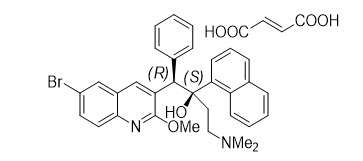
Bedaquiline fumarate is a white to almost white powder and is practically insoluble in aqueous media. The chemical name of bedaquiline fumarate is (1 R, 2 S)-1-(6-bromo-2-methoxy-3-quinolinyl)-4-(dimethylamino)-2-(1-naphthalenyl)-1-phenyl-2-butanol compound with fumaric acid (1:1). It has a molecular formula of C 32H 31BrN 2O 2∙C 4H 4O 4 and a molecular weight of 671.58 (555.50 + 116.07). The molecular structure of bedaquiline fumarate is the following:
SIRTURO 20 mg tablet contains the following inactive ingredients: colloidal silicon dioxide, crospovidone, hypromellose 2910 5 mPa.s, polysorbate 20, purified water (removed during processing), silicified microcrystalline cellulose and sodium stearyl fumarate.
SIRTURO 100 mg tablet contains the following inactive ingredients: colloidal silicon dioxide, corn starch, croscarmellose sodium, hypromellose 2910 15 mPa.s, lactose monohydrate, magnesium stearate, microcrystalline cellulose, polysorbate 20, purified water (removed during processing).
2.5 Missed Dose
If a dose is missed during the first 2 weeks of treatment, do not administer the missed dose (skip the dose and then continue the daily dosing regimen). From Week 3 onwards, if a dose is missed, administer the missed dose as soon as possible, and then resume the 3 times a week dosing regimen. The total dose of SIRTURO during a 7-day period should not exceed the recommended weekly dose (with at least 24 hours between each intake).
16.1 How Supplied
SIRTURO ® 20 mg tablets are supplied as uncoated white to almost white oblong functionally scored tablets with a score line on both sides, debossed with "2" and "0" on one side and plain on the other side.
SIRTURO ® 100 mg tablets are supplied as uncoated white to almost white round biconvex 100 mg tablets with debossing of "T" over "207" on one side and "100" on the other side.
SIRTURO tablets are packaged in white high-density polyethylene (HDPE) bottles with child-resistant polypropylene (PP) closure with induction seal liner in the following configurations:
- 20 mg tablets – bottles of 60 tablets. Each bottle contains silica gel desiccant (NDC 59676-702-60)
- 100 mg tablets – bottles of 188 tablets (NDC 59676-701-01).
8.4 Pediatric Use
The safety and effectiveness of SIRTURO have been established in pediatric patients 2 years and older weighing at least 8 kg. The use of SIRTURO in this pediatric population is supported by evidence from the study of SIRTURO in adults together with additional pharmacokinetic and safety data from the single-arm, open-label, multi-cohort trial that enrolled 45 pediatric patients 2 years to less than 18 years of age with confirmed or probable pulmonary TB caused by M. tuberculosis resistant to at least rifampin who were treated with SIRTURO for 24 weeks in combination with a background regimen [see Dosage and Administration (2.4), Adverse Reactions (6.1), Clinical Pharmacology (12.3)and Clinical Studies (14.2)] .
The safety, effectiveness and dosage of SIRTURO in pediatric patients less than 2 years of age and/or weighing less than 8 kg have not been established.
8.5 Geriatric Use
Clinical studies of SIRTURO did not include sufficient numbers of patients 65 years of age and older to determine whether they respond differently from younger adult patients [see Clinical Pharmacology (12.3)] .
5.4 Hepatotoxicity
In clinical trials, more hepatic-related adverse reactions were reported in adults with the use of SIRTURO plus other drugs used to treat TB compared to other drugs used to treat TB without the addition of SIRTURO. Alcohol and other hepatotoxic drugs should be avoided while on SIRTURO, especially in patients with impaired hepatic function. Hepatic-related adverse reactions have also been reported in pediatric patients 5 years of age and older [see Adverse Reactions (6.1)] .
Monitor symptoms (such as fatigue, anorexia, nausea, jaundice, dark urine, liver tenderness and hepatomegaly) and laboratory tests (ALT, AST, alkaline phosphatase, and bilirubin) at baseline, monthly while on treatment, and as needed. Test for viral hepatitis and discontinue other hepatotoxic medications if evidence of new or worsening liver dysfunction occurs. Discontinue SIRTURO if:
- transaminase elevations are accompanied by total bilirubin elevation greater than two times the upper limit of normal
- transaminase elevations are greater than eight times the upper limit of normal
- transaminase elevations are greater than five times the upper limit of normal and persist beyond two weeks
4 Contraindications
None.
6 Adverse Reactions
The following serious adverse reactions are discussed elsewhere in the labeling:
- QTc Prolongation [see Warnings and Precautions (5.1)and Clinical Pharmacology (12.2)]
- Mortality Imbalance in Clinical Trials [see Warnings and Precautions (5.2)]
- Hepatotoxicity [see Warnings and Precautions (5.4)]
- Drug Interactions [see Warnings and Precautions (5.5)]
7 Drug Interactions
5.1 Qtc Prolongation
SIRTURO prolongs the QTc interval [see Clinical Pharmacology (12.2)] . Use with drugs that prolong the QTc interval may cause additive QTc prolongation [see Adverse Reactions (6)] . In Study 4, where SIRTURO was administered with the QTc prolonging drugs clofazimine and levofloxacin, 5% of patients in the 40-week SIRTURO treatment group experienced a QTc ≥500 ms and 43% of patients experienced an increase in QTc ≥60 ms over baseline. Of the clofazimine- and levofloxacin-treated patients in the 40-week control arm, 7% of patients experienced a QTc ≥500 ms and 39% experienced an increase in QTc ≥60 ms over baseline.
Obtain an ECG before initiation of treatment, 2 weeks after initiation, during treatment, as clinically indicated and at the expected time of maximum increase in the QTc interval of the concomitantly administered QTc prolonging drugs (as applicable). Obtain electrolytes at baseline and during treatment and correct electrolytes as clinically indicated.
The following may increase the risk for QTc prolongation when patients are taking SIRTURO:
- use with other QTc prolonging drugs
- a history of Torsade de Pointes
- a history of congenital long QTc syndrome
- a history of or ongoing hypothyroidism
- a history of or ongoing bradyarrhythmias
- a history of uncompensated heart failure
- serum calcium, magnesium, or potassium levels below the lower limits of normal
Discontinue SIRTURO if the patient develops:
- Clinically significant ventricular arrhythmia
- A QTc interval of greater than 500 ms (confirmed by repeat ECG)
If syncope occurs, obtain an ECG to detect QTc prolongation.
8.7 Renal Impairment
SIRTURO has mainly been studied in adult patients with normal renal function. Renal excretion of unchanged bedaquiline is not substantial (less than or equal to 0.001%). No dose adjustment is required in patients with mild or moderate renal impairment. In patients with severe renal impairment or end stage renal disease requiring hemodialysis or peritoneal dialysis, SIRTURO should be used with caution [see Clinical Pharmacology (12.3)] . Monitor adult and pediatric patients for adverse reactions of SIRTURO when administered to patients with severe renal impairment or end stage renal disease requiring hemodialysis or peritoneal dialysis.
12.2 Pharmacodynamics
Bedaquiline has activity against M. tuberculosis. The major metabolite, M2 is not thought to contribute significantly to clinical efficacy given its lower average exposure (23% to 31%) in humans and lower antimycobacterial activity (3-fold to 6-fold lower) compared to the parent compound. However, M2 plasma concentrations are correlated with QTc prolongation.
8.6 Hepatic Impairment
The pharmacokinetics of bedaquiline were assessed after single-dose administration to adult patients with moderate hepatic impairment (Child-Pugh B) [see Clinical Pharmacology (12.3)] . Based on these results, no dose adjustment is necessary for SIRTURO in patients with mild or moderate hepatic impairment. SIRTURO has not been studied in patients with severe hepatic impairment and should be used with caution in these patients only when the benefits outweigh the risks. Clinical monitoring for SIRTURO-related adverse reactions is recommended [see Warnings and Precautions (5.4)] .
1 Indications and Usage
SIRTURO is a diarylquinoline antimycobacterial drug indicated as part of combination therapy in the treatment of adult and pediatric patients (2 years and older and weighing at least 8 kg) with pulmonary tuberculosis (TB) due to Mycobacterium tuberculosis resistant to at least rifampin and isoniazid.
12.1 Mechanism of Action
Bedaquiline is a diarylquinoline antimycobacterial drug [see Microbiology (12.4)] .
Warning: Qtc Prolongation
QTc prolongation can occur with SIRTURO. Use with drugs that prolong the QTc interval may cause additive QTc prolongation. Monitor ECGs. Discontinue SIRTURO if significant ventricular arrhythmia or QTc interval greater than 500 ms develops [see Warnings and Precautions (5.1)] .
5 Warnings and Precautions
2 Dosage and Administration
2.6 Method of Administration
There is one method of administration of SIRTURO 100 mg tablet and four different methods of administration of SIRTURO 20 mg tablet as follows, each of which must be taken with food:
- For SIRTURO 100 mg tablet, administer the tablet whole with water. Take with food.
- For SIRTURO 20 mg tablet, the four different methods of administration are outlined below. Each administration method requires SIRTURO to be taken with food in addition to any soft food or beverage used to administer SIRTURO by the different methods for patients who cannot swallow intact SIRTURO 20 mg tablets.
3 Dosage Forms and Strengths
- SIRTURO 20 mg tablet: uncoated, white to almost white oblong functionally scored tablet, with a score line on both sides, debossed with "2" and "0" on one side and plain on the other side.
- SIRTURO 100 mg tablet: uncoated, white to almost white round biconvex tablet with debossing of "T" over "207" on one side and "100" on the other side.
8 Use in Specific Populations
- Lactation: Breastfeeding is not recommended unless infant formula is not available. If an infant is exposed to bedaquiline through breast milk, monitor for signs of bedaquiline-related adverse reactions, such as hepatotoxicity. ( 6, 8.2)
- Pediatrics: The safety and effectiveness of SIRTURO in pediatric patients less than 2 years of age and/or weighing less than 8 kg have not been established. ( 8.4)
- Use with caution in patients with severe hepatic impairment and only when the benefits outweigh the risks. Monitor for SIRTURO-related adverse reactions. ( 8.6)
- Use with caution in patients with severe renal impairment. ( 8.7)
6.1 Clinical Studies Experience
Because clinical studies are conducted under widely varying conditions, adverse reaction rates observed in the clinical studies of a drug cannot be directly compared to the rates in the clinical studies of another drug and may not reflect the rates observed in clinical practice. Refer to the prescribing information of the drugs used in combination with SIRTURO for their respective adverse reactions.
17 Patient Counseling Information
Advise patients to read the FDA-approved patient labeling (Medication Guide).
7.3 Qtc Interval Prolonging Drugs
In clinical trials of adult patients, additional QTc interval prolongation was observed during combination treatment with SIRTURO and other QTc prolonging drugs.
In Study 3, concurrent use of clofazimine with SIRTURO resulted in QTc prolongation: mean increases in QTc were larger in the 17 adult patients who were taking clofazimine with bedaquiline at Week 24 (mean change from Day-1 of 32 ms) than in patients who were not taking clofazimine with bedaquiline at Week 24 (mean change from Day-1 of 12 ms). Monitor ECGs if SIRTURO is coadministered to patients receiving other drugs that prolong the QTc interval, and discontinue SIRTURO if there is evidence of serious ventricular arrhythmia or QTc interval greater than 500 ms [see Warnings and Precautions (5.1)and Clinical Pharmacology (12.2)] . ECG monitoring should be performed prior to initiation and at the expected time of maximum increase in the QTc interval of the concomitantly administered QTc prolonging drugs.
7.2 Other Antimicrobial Medications
No dose adjustment of isoniazid or pyrazinamide is required during coadministration with SIRTURO.
In a placebo-controlled clinical trial in adult patients, no major impact of coadministration of SIRTURO on the pharmacokinetics of ethambutol, kanamycin, pyrazinamide, ofloxacin or cycloserine was observed.
2.3 Recommended Dosage in Adult Patients
The recommended dosage of SIRTURO in adult patients is:
| Dosage Recommendation | |
|---|---|
| Weeks 1 and 2 | Weeks 3 to 24
At least 48 hours between doses
|
| 400 mg (4 of the 100 mg tablets OR 20 of the 20 mg tablets) orally once daily | 200 mg (2 of the 100 mg tablets OR 10 of the 20 mg tablets) orally three times per week |
Recommended dosage in pediatric patients is described in Table 2 below [see Dosage and Administration (2.4)].
Administer SIRTURO tablets with food. The total duration of treatment with SIRTURO in adults is 24 weeks. When treatment with SIRTURO is considered necessary beyond 24 weeks, treatment may be continued at a dose of 200 mg three times per week [see Clinical Studies (14.1)] .
2.1 Important Administration Instructions
- Administer SIRTURO by directly observed therapy (DOT).
- Only use SIRTURO in combination with at least three other drugs to which the patient's TB isolate has been shown to be susceptible in vitro. If in vitro testing results are unavailable, SIRTURO treatment may be initiated in combination with at least four other drugs to which the patient's TB isolate is likely to be susceptible. Refer to the prescribing information of the drugs used in combination with SIRTURO for further information.
- SIRTURO (20 mg and 100 mg) must be taken with food.
- SIRTURO 20 mg are functionally scored tablets which can be split at the scored lines into two equal halves of 10 mg each to provide doses less than 20 mg [see Dosage and Administration (2.6)].
- As an alternative method of administration, SIRTURO 20 mg tablets can be dispersed in water and administered or dispersed in water and further mixed with a beverage or soft food, or crushed and mixed with soft food, or administered through a feeding tube [see Dosage and Administration (2.6)].
- Emphasize the need for compliance with the full course of therapy.
13.2 Animal Toxicology And/or Pharmacology
Bedaquiline is a cationic, amphiphilic drug that induced phospholipidosis (at almost all doses, even after very short exposures) in drug-treated animals, mainly in cells of the monocytic phagocytic system (MPS). All species tested showed drug-related increases in pigment-laden and/or foamy macrophages, mostly in the lymph nodes, spleen, lungs, liver, stomach, skeletal muscle, pancreas and/or uterus. After treatment ended, these findings were slowly reversible. Muscle degeneration was observed in several species at the highest doses tested. For example, the diaphragm, esophagus, quadriceps and tongue of rats were affected after 26 weeks of treatment at doses similar to clinical exposures based on AUC comparisons. These findings were not seen after a 12-week, treatment-free, recovery period and were not present in rats given the same dose biweekly. Degeneration of the fundic mucosa of the stomach, hepatocellular hypertrophy and pancreatitis were also seen.
5.2 Mortality Imbalance in Clinical Trials
An increased risk of death was seen in the SIRTURO treatment group (9/79, 11.4%) compared to the placebo treatment group (2/81, 2.5%) in one placebo-controlled trial in adults (Study 1; based on the 120 week visit window). One death occurred during the 24 weeks of administration of SIRTURO. The imbalance in deaths is unexplained. No discernible pattern between death and sputum culture conversion, relapse, sensitivity to other drugs used to treat tuberculosis, HIV status, or severity of disease could be observed. In a subsequent active-controlled trial in adults (Study 4), deaths by Week 132 occurred in 11/211 (5.2%) patients in the 40-week SIRTURO treatment group, 8/202 (4%) patients in the active-control treatment group including four of 29 patients who received SIRTURO as part of a salvage treatment, and 2/143 (1.4%) patients in the 28-week SIRTURO treatment group [see Adverse Reactions (6.1)] .
2.2 Required Testing Prior to Administration
Prior to treatment with SIRTURO, obtain the following:
- Susceptibility information for the background regimen against M. tuberculosis isolate if possible [see Dosage and Administration (2.1)]
- ECG [see Warnings and Precautions (5.1)]
- Serum potassium, calcium, and magnesium concentrations [see Warnings and Precautions (5.1)]
- Liver enzymes [see Warnings and Precautions (5.4)]
Principal Display Panel 20 Mg Tablet Bottle Label
NDC 59676-702-60
Sirturo
®
(bedaquiline) Tablets
20 mg
ATTENTION: Dispense the enclosed
Medication Guide to each patient.
Each tablet contains 20 mg of bedaquiline
(equivalent to 24.18 mg of bedaquiline fumarate).
Rx only
60 Tablets
Johnson
&Johnson
5.3 Risk of Development of Resistance to Bedaquiline
A potential for development of resistance to bedaquiline in M. tuberculosis exists [see Microbiology (12.4)]. Bedaquiline must only be used in an appropriate combination regimen for the treatment of pulmonary TB due to M. tuberculosis resistant to at least rifampin and isoniazid, to reduce the risk of development of resistance to bedaquiline [see Indications and Usage (1)] .
Principal Display Panel 100 Mg Tablet Bottle Label
NDC 59676-701-01
Sirturo
®
(bedaquiline) tablets
100 mg
Attention: Dispense the enclosed
Medication Guide to each patient.
Each tablet contains 100 mg of
bedaquiline (equivalent to
120.89 mg of bedaquiline fumarate).
Rx only
188 Tablets
Johnson
&Johnson
13.1 Carcinogenesis, Mutagenesis, and Impairment of Fertility
Bedaquiline was not carcinogenic in rats up to the maximum tolerated dose of 10 mg/kg/day. Exposures at this dose in rats (AUCs) were within 1-fold to 2-fold of those observed in adult patients in the clinical trials.
No mutagenic or clastogenic effects were detected in the in vitro non-mammalian reverse mutation (Ames) test, in vitro mammalian (mouse lymphoma) forward mutation assay and an in vivo mouse bone marrow micronucleus assay.
SIRTURO did not affect fertility when evaluated in male and female rats at approximately twice the clinical exposure based on AUC comparisons. There was no effect of maternal treatment on sexual maturation, mating performance or fertility in F1 generation exposed to bedaquiline in utero at approximately twice the human exposure.
14.1 Sirturo Use in Adult Patients With Pulmonary Tuberculosis
Study 1 (NCT00449644, Stage 2) was a placebo-controlled, double-blind, randomized trial conducted in patients with newly diagnosed sputum smear-positive pulmonary TB due to M. tuberculosis resistant to at least rifampin and isoniazid. Patients were randomized to receive a combination of SIRTURO or placebo with five other antimycobacterial drugs (i.e., ethionamide, kanamycin, pyrazinamide, ofloxacin, and cycloserine/terizidone or available alternative) for a total duration of 18 to 24 months or at least 12 months after the first confirmed negative culture. Treatment was 24 weeks of treatment with SIRTURO 400 mg once daily for the first two weeks followed by 200 mg three times per week for 22 weeks or matching placebo for the same duration. Overall, 79 patients were randomized to the SIRTURO arm and 81 to the placebo arm. A final evaluation was conducted at Week 120.
Sixty-seven patients randomized to SIRTURO and 66 patients randomized to placebo had confirmed pulmonary TB due to M. tuberculosis resistant to at least rifampin and isoniazid, based on susceptibility tests (taken prior to randomization) or medical history if no susceptibility results were available, and were included in the efficacy analyses. Demographics were as follows: 64% of the study population was male, with a median age of 33 years, 38% were Black, 17% were Hispanic, 11% were White, 11% were Asian, and 24% were of another race; and 14% were HIV-positive (median CD4 cell count 446 cells/µL). Most patients had cavitation in one lung (62%); and 20% of patients had cavitation in both lungs.
Time to sputum culture conversion was defined as the interval in days between the first dose of study drug and the date of the first of two consecutive negative sputum cultures collected at least 25 days apart during treatment. In this trial, the SIRTURO treatment group had a decreased time to culture conversion and improved culture conversion rates compared to the placebo treatment group at Week 24. Median time to culture conversion was 83 days for the SIRTURO treatment group compared to 125 days for the placebo treatment group. Table 8 shows the proportion of patients with sputum culture conversion at Week 24 and Week 120.
| Microbiologic Status | SIRTURO (24 weeks) + combination of other antimycobacterial drugs
N=67 |
Placebo (24 weeks) + combination of other antimycobacterial drugs
N=66 |
Difference [95% CI]
p-value |
|---|---|---|---|
| Week 24 | |||
| Sputum Culture Conversion | 78% | 58% | 20.0% [4.5%, 35.6%]
0.014 |
| Treatment failure
A patient's reason for treatment failure was counted only in the first row for which a patient qualifies.
|
22% | 42% | |
| Died | 1% | 0% | |
| Lack of conversion | 21% | 35% | |
| Discontinuation | 0% | 8% | |
|
Week 120
Patients received 24 weeks of SIRTURO or placebo for the first 24 weeks and received a combination of other antimycobacterial drugs for up to 96 weeks.
|
|||
| Sputum Culture Conversion | 61% | 44% | 17.3% [0.5%, 34.0%]
0.046 |
| Treatment failure | 39% | 56% | |
| Died | 12% | 3% | |
| Lack of conversion/relapse | 16% | 35% | |
| Discontinuation | 10% | 18% |
Study 2 (NCT00449644, Stage 1) was a smaller placebo-controlled study designed similarly to Study 1 except that SIRTURO or placebo was given for only eight weeks instead of 24 weeks. Patients were randomized to either SIRTURO and other drugs used to treat pulmonary TB due to M. tuberculosis resistant to at least rifampin and isoniazid (SIRTURO treatment group) (n=23) or placebo and other drugs used to treat TB (placebo treatment group) (n=24). Twenty-one patients randomized to the SIRTURO treatment group and 23 patients randomized to the placebo treatment group had confirmed pulmonary TB due to M. tuberculosis resistant to at least rifampin and isoniazid based on patients' baseline M. tuberculosis isolate obtained prior to randomization. The SIRTURO treatment group had a decreased time to culture conversion and improved culture conversion rates compared to the placebo treatment group at Week 8. At Weeks 8 and 24, the differences in culture conversion proportions were 38.9% [95% CI: (12.3%; 63.1%) and p-value: 0.004], 15.7% [95% CI: (-11.9%; 41.9%) and p-value: 0.32], respectively.
Study 3 (NCT00910871) was a Phase 2b, uncontrolled study to evaluate the safety, tolerability, and efficacy of SIRTURO as part of an individualized treatment regimen in 233 patients with sputum smear positive (within 6 months prior to screening) pulmonary TB due to M. tuberculosis resistant to at least rifampin and isoniazid, including patients with isolates resistant to second-line injectables and/or fluoroquinolones. Patients received SIRTURO for 24 weeks in combination with antimycobacterial drugs. Upon completion of the 24-week treatment with SIRTURO, all patients continued to receive their background regimen in accordance with national TB program (NTP) treatment guidelines. A final evaluation was conducted at Week 120. Treatment responses to SIRTURO at Week 120 were generally consistent with those from Study 1.
Study 4 (NCT02409290) was a Phase 3, open-label, multicenter, active-controlled, randomized trial to evaluate the efficacy and safety of SIRTURO, coadministered with other oral anti-TB drugs for 40 weeks in patients with sputum smear-positive pulmonary TB caused by M. tuberculosis that was resistant to at least rifampin. Patients in whom the M. tuberculosis strain was known to be resistant at screening to second-line injectable agents or fluoroquinolones were excluded from enrollment. When phenotypic susceptibility testing of the baseline isolates became available post-randomization, patients infected with M. tuberculosis resistant to either second-line injectable agents or fluoroquinolones were kept in the study, however, those with M. tuberculosis resistant to both second-line injectables and fluoroquinolones were discontinued from the study.
Patients were randomized to one of four treatment arms:
- Arm A (N=32), the locally used treatment in accordance with 2011 WHO treatment guidelines with a recommended 20-month duration
- Arm B (N=202), a 40-week treatment of moxifloxacin (N=140) or levofloxacin (N=62), clofazimine, ethambutol, pyrazinamide, supplemented by injectable kanamycin, high-dose isoniazid and prothionamide in the first 16 weeks (intensive phase)
- Arm C (N=211), a 40-week, all-oral treatment of SIRTURO, levofloxacin, clofazimine, ethambutol, and pyrazinamide, supplemented by high-dose isoniazid and prothionamide in the first 16 weeks (intensive phase)
- Arm D (N=143), a 28-week treatment consisting of SIRTURO, levofloxacin, clofazimine, and pyrazinamide, supplemented by kanamycin injectable and a higher isoniazid dose for the first eight weeks (intensive phase)
SIRTURO was administered 400 mg once daily for the first two weeks and 200 mg three times a week for the following 38 weeks (in Arm C) or 26 weeks (in Arm D).
All patients were to be followed up until study completion at Week 132. During study conduct, enrollment in Arms A and D was stopped due to changes in the standard of care for TB treatment. Patients already randomized to these study arms were to complete their assigned treatment and follow-up.
The primary objective was to assess whether the proportion of patients with a favorable efficacy outcome in Arm C was noninferior to that in Arm B at Week 76.
The primary efficacy outcome measure was the proportion of patients with a favorable outcome at Week 76. A favorable outcome at Week 76 was defined as the last two consecutive cultures being negative, and with no unfavorable outcome. An unfavorable outcome at Week 76 was assessed as a composite endpoint, covering both clinical and microbiological aspects such as changes in TB treatment, all-cause mortality, at least one of the last two culture results positive, or no culture results within the Week 76 window. In case of treatment failure, recurrence or serious toxicity on the allocated treatment, salvage treatment that could include SIRTURO was provided, based on investigator judgment.
The modified intent-to-treat population (mITT) was the primary efficacy population and included all randomized patients with a positive sputum culture for M. tuberculosis that was resistant to at least rifampin and not resistant to both second-line injectables and fluoroquinolones, based on susceptibility results (taken prior to randomization). A total of 196 and 187 patients were included in the mITT population in Arm C and Arm B, respectively. Overall, in both treatment arms, 62% were male of median age 33 years, 47% were Asian, 34% were Black, 19% were White, and 14% were HIV-coinfected. Most patients had lung cavitation (74%), with multiple cavities in 63% and 47% of patients in Arm C and Arm B, respectively. The baseline drug resistance profile of M. tuberculosis for Arms C and B were as follows: 14% had resistance to rifampin while susceptible to isoniazid, 75% had resistance to rifampin and isoniazid, and 10% had resistance to rifampin, isoniazid, and either a second-line injectable or a fluoroquinolone.
For efficacy analyses beyond Week 76, data collection was stopped at the point when the last recruited patient was projected to reach Week 96. The long-term efficacy data therefore include data up to at least Week 96 for all patients, and up to Week 132 for 146/196 (74.5%) patients in Arm C and 145/187 (77.5%) patients in Arm B.
Table 9 shows results for favorable and unfavorable outcomes at Week 76 and Week 132 in Study 4.
| SIRTURO
Arm C 40-week, all-oral regimen of SIRTURO, levofloxacin, clofazimine, ethambutol, and pyrazinamide, supplemented by high-dose isoniazid and prothionamide in the first 16 weeks (intensive phase).
(N=196) |
Active Control
Arm B 40-week control treatment of moxifloxacin or levofloxacin, clofazimine, ethambutol, pyrazinamide, supplemented by injectable kanamycin, high dose isoniazid and prothionamide in the first 16 weeks (intensive phase).
(N=187) |
|
|---|---|---|
| mITT = modified intent-to-treat | ||
|
Favorable outcome at Week 76
n (%) |
162 (82.7) | 133 (71.1) |
| Difference
The adjusted difference in proportions was estimated using a stratified analysis of the risk difference from each stratum using Cochran Mantel-Haenszel weights. The analysis was stratified by randomization protocol and HIV and CD4 cell count status. SIRTURO
vs Active Control
(95% CI) |
11.0%
(2.9%, 19.0%) |
|
|
Unfavorable outcome at Week 76
n (%) |
34 (17.3) | 54 (28.9) |
| Reasons for unfavorable outcome through Week 76
Patients were classified by the first event that made the patient unfavorable. Of the patients with an unfavorable outcome at Week 76 in the control arm, 29 patients had a treatment modification from their allocated treatment that included SIRTURO as part of a salvage regimen.
|
||
| Treatment modified or extended | 16 (8.2) | 43 (23.0) |
| No culture results within Week 76 window | 12 (6.1) | 7 (3.7) |
| Death through Week 76 | 5 (2.6) | 2 (1.1) |
| At least one of last 2 cultures positive at Week 76 | 1 (0.5) | 2 (1.1) |
|
Favorable outcome at Week 132 n (%)
Week 132 outcome reflects efficacy follow up until the last patient reached Week 96.
|
154 (78.6) | 129 (69.0) |
| Difference
SIRTURO
vs Active Control
(95% CI) |
9.0%
(0.6%,17.5%) |
2.4 Recommended Dosage in Pediatric Patients (2 Years and Older and Weighing At Least 8 Kg)
The recommended dosage of SIRTURO in pediatric patients (2 years and older and weighing at least 8 kg) is based on body weight and shown in Table 2:
| Body Weight | Dosage Recommendation | |
|---|---|---|
| Weeks 1 and 2 | Weeks 3 to 24
At least 48 hours between doses
|
|
| 8 kg to less than 10 kg | 80 mg (4 of the 20 mg tablets) orally once daily | 40 mg (2 of the 20 mg tablets) orally three times per week |
| 10 kg to less than 15 kg | 120 mg (6 of the 20 mg tablets) orally once daily | 60 mg (3 of the 20 mg tablets) orally three times per week |
| 15 kg to less than 30 kg | 200 mg (2 of the 100 mg tablets OR 10 of the 20 mg tablets) orally once daily | 100 mg (1 of the 100 mg tablets OR 5 of the 20 mg tablets) orally three times per week |
| Greater than or equal to 30 kg | 400 mg (4 of the 100 mg tablets OR 20 of the 20 mg tablets) orally once daily | 200 mg (2 of the 100 mg tablets OR 10 of the 20 mg tablets) orally three times per week |
Administer SIRTURO tablets with food. The total duration of treatment with SIRTURO is 24 weeks. When treatment with SIRTURO is considered necessary beyond 24 weeks in patients 16 years and older, and weighing at least 30 kg, treatment may be continued at a dose of 200 mg three times per week [see Clinical Studies (14.1)] .
14.2 Sirturo Use in Pediatric Patients (2 Years to Less Than 18 Years of Age) With Pulmonary Tuberculosis
The pediatric trial, (NCT02354014), was designed as a single-arm, open-label, multi-cohort trial to evaluate the pharmacokinetics, safety and tolerability of SIRTURO in combination with a background regimenin patients 2 to less than 18 years of age with confirmed or probable pulmonary TB due to M. tuberculosis resistant to at least rifampin.
Structured Label Content
Section 42229-5 (42229-5)
Limitations of Use
- Do not use SIRTURO for the treatment of:
- Latent infection due to Mycobacterium tuberculosis ( M. tuberculosis)
- Drug-sensitive pulmonary TB
- Extra-pulmonary TB
- Infections caused by non-tuberculous mycobacteria
Section 42231-1 (42231-1)
| MEDICATION GUIDE
SIRTURO ® (ser toor' oh) (bedaquiline) tablets, for oral use |
|||||||
|---|---|---|---|---|---|---|---|
| This Medication Guide has been approved by the U.S. Food and Drug Administration | Revised: 7/2025 | ||||||
| Read this Medication Guide before you start taking SIRTURO and each time you get a refill. There may be new information. This information does not take the place of talking with your healthcare provider about your medical condition or your treatment. | |||||||
|
What is the most important information I should know about SIRTURO? SIRTURO can cause serious side effects, including:A serious heart rhythm problem called QTc prolongation. This condition can cause an abnormal heartbeat in people who take SIRTURO. Your healthcare provider should check your heart and do blood tests before and during treament with SIRTURO. Tell your healthcare provider right away if you have a change in your heartbeat (a fast or irregular heartbeat) or if you feel dizzy or faint. |
|||||||
|
What is SIRTURO?
SIRTURO is a diarylquinoline antibiotic prescription medicine used as a part of combination therapy in adults and children (2 years of age and older and weighing at least 17.6 pounds) with pulmonary tuberculosis (TB) of the lungs that is resistant to at least rifampin and isoniazid. It is not known if SIRTURO is safe and effective in:
|
|||||||
Before you take SIRTURO, tell your healthcare provider about all your medical conditions including, if you:
|
|||||||
|
|
||||||
| Tell your healthcare provider about all the medicines you take, including prescription and over-the-counter medicines, vitamins, and herbal supplements.
You should not take certain liver medicines or herbal supplements while taking SIRTURO. |
|||||||
How should I take SIRTURO?
Take your prescribed dose 1 time each day. Week 3 to Week 24:
|
|||||||
|
|||||||
| If you miss your SIRTURO dose during Week 3 to Week 24: | |||||||
|
|||||||
|
|||||||
SIRTURO 100 mg tablet
|
|||||||
What should I avoid while taking SIRTURO?
|
|||||||
|
What are the possible side effects of SIRTURO?
SIRTURO may cause serious side effects, including:
|
|||||||
|
|
||||||
| The most common side effects of SIRTURO in adults include: | |||||||
|
|
||||||
|
|
||||||
|
|
||||||
|
|
||||||
|
|
||||||
|
|
||||||
|
|
||||||
|
|||||||
|
The most common side effects of SIRTURO in children 12 years to less than 18 years of age include joint pain, nausea and stomach pain.
The most common side effect of SIRTURO in children 5 years to less than 12 years of age is increased level of liver enzymes in the blood. The most common side effect of SIRTURO in children 2 years to less than 5 years of age is vomiting. These are not all the possible side effects of SIRTURO. For more information, ask your healthcare provider or pharmacist. Call your doctor for medical advice about side effects. You may report side effects to FDA at 1-800-FDA-1088. |
|||||||
How should I store SIRTURO?
|
|||||||
|
General information about the safe and effective use of SIRTURO:
This Medication Guide summarizes the most important information about SIRTURO. If you would like more information, talk to your healthcare provider. You can ask your pharmacist or healthcare provider for information about SIRTURO that is written for health professionals. |
|||||||
|
What are the ingredients in SIRTURO?
Active ingredient: bedaquiline fumarate SIRTURO 20 mg tablets contain the following inactive ingredients: colloidal silicon dioxide, crospovidone, hypromellose 2910 5 mPa.s, polysorbate 20, purified water (removed during processing), silicified microcrystalline cellulose and sodium stearyl fumarate. SIRTURO 100 mg tablets contain the following inactive ingredients: colloidal silicon dioxide, corn starch, croscarmellose sodium, hypromellose 2910 15 mPa.s, lactose monohydrate, magnesium stearate, microcrystalline cellulose, polysorbate 20, purified water (removed during processing). Manufactured for: Janssen Products, LP, Horsham, PA 19044, USA For patent information: www.janssenpatents.com © Johnson & Johnson and its affiliates 2012-2025 |
10 Overdosage (10 OVERDOSAGE)
There is no experience with the treatment of acute overdose with SIRTURO. Take general measures to support basic vital functions including monitoring of vital signs and ECG (QTc interval) in case of deliberate or accidental overdose. It is advisable to contact a poison control center to obtain the latest recommendations for the management of an overdose. Since bedaquiline is highly protein-bound, dialysis is not likely to significantly remove bedaquiline from plasma.
11 Description (11 DESCRIPTION)
SIRTURO ® contains bedaquiline fumarate, a diarylquinoline antimycobacterial drug for oral administration. Each SIRTURO 20 mg tablet contains 20 mg of bedaquiline (equivalent to 24.18 mg of bedaquiline fumarate). Each SIRTURO 100 mg tablet contains 100 mg of bedaquiline (equivalent to 120.89 mg of bedaquiline fumarate).
Bedaquiline fumarate is a white to almost white powder and is practically insoluble in aqueous media. The chemical name of bedaquiline fumarate is (1 R, 2 S)-1-(6-bromo-2-methoxy-3-quinolinyl)-4-(dimethylamino)-2-(1-naphthalenyl)-1-phenyl-2-butanol compound with fumaric acid (1:1). It has a molecular formula of C 32H 31BrN 2O 2∙C 4H 4O 4 and a molecular weight of 671.58 (555.50 + 116.07). The molecular structure of bedaquiline fumarate is the following:
SIRTURO 20 mg tablet contains the following inactive ingredients: colloidal silicon dioxide, crospovidone, hypromellose 2910 5 mPa.s, polysorbate 20, purified water (removed during processing), silicified microcrystalline cellulose and sodium stearyl fumarate.
SIRTURO 100 mg tablet contains the following inactive ingredients: colloidal silicon dioxide, corn starch, croscarmellose sodium, hypromellose 2910 15 mPa.s, lactose monohydrate, magnesium stearate, microcrystalline cellulose, polysorbate 20, purified water (removed during processing).
2.5 Missed Dose
If a dose is missed during the first 2 weeks of treatment, do not administer the missed dose (skip the dose and then continue the daily dosing regimen). From Week 3 onwards, if a dose is missed, administer the missed dose as soon as possible, and then resume the 3 times a week dosing regimen. The total dose of SIRTURO during a 7-day period should not exceed the recommended weekly dose (with at least 24 hours between each intake).
16.1 How Supplied
SIRTURO ® 20 mg tablets are supplied as uncoated white to almost white oblong functionally scored tablets with a score line on both sides, debossed with "2" and "0" on one side and plain on the other side.
SIRTURO ® 100 mg tablets are supplied as uncoated white to almost white round biconvex 100 mg tablets with debossing of "T" over "207" on one side and "100" on the other side.
SIRTURO tablets are packaged in white high-density polyethylene (HDPE) bottles with child-resistant polypropylene (PP) closure with induction seal liner in the following configurations:
- 20 mg tablets – bottles of 60 tablets. Each bottle contains silica gel desiccant (NDC 59676-702-60)
- 100 mg tablets – bottles of 188 tablets (NDC 59676-701-01).
8.4 Pediatric Use
The safety and effectiveness of SIRTURO have been established in pediatric patients 2 years and older weighing at least 8 kg. The use of SIRTURO in this pediatric population is supported by evidence from the study of SIRTURO in adults together with additional pharmacokinetic and safety data from the single-arm, open-label, multi-cohort trial that enrolled 45 pediatric patients 2 years to less than 18 years of age with confirmed or probable pulmonary TB caused by M. tuberculosis resistant to at least rifampin who were treated with SIRTURO for 24 weeks in combination with a background regimen [see Dosage and Administration (2.4), Adverse Reactions (6.1), Clinical Pharmacology (12.3)and Clinical Studies (14.2)] .
The safety, effectiveness and dosage of SIRTURO in pediatric patients less than 2 years of age and/or weighing less than 8 kg have not been established.
8.5 Geriatric Use
Clinical studies of SIRTURO did not include sufficient numbers of patients 65 years of age and older to determine whether they respond differently from younger adult patients [see Clinical Pharmacology (12.3)] .
5.4 Hepatotoxicity
In clinical trials, more hepatic-related adverse reactions were reported in adults with the use of SIRTURO plus other drugs used to treat TB compared to other drugs used to treat TB without the addition of SIRTURO. Alcohol and other hepatotoxic drugs should be avoided while on SIRTURO, especially in patients with impaired hepatic function. Hepatic-related adverse reactions have also been reported in pediatric patients 5 years of age and older [see Adverse Reactions (6.1)] .
Monitor symptoms (such as fatigue, anorexia, nausea, jaundice, dark urine, liver tenderness and hepatomegaly) and laboratory tests (ALT, AST, alkaline phosphatase, and bilirubin) at baseline, monthly while on treatment, and as needed. Test for viral hepatitis and discontinue other hepatotoxic medications if evidence of new or worsening liver dysfunction occurs. Discontinue SIRTURO if:
- transaminase elevations are accompanied by total bilirubin elevation greater than two times the upper limit of normal
- transaminase elevations are greater than eight times the upper limit of normal
- transaminase elevations are greater than five times the upper limit of normal and persist beyond two weeks
4 Contraindications (4 CONTRAINDICATIONS)
None.
6 Adverse Reactions (6 ADVERSE REACTIONS)
The following serious adverse reactions are discussed elsewhere in the labeling:
- QTc Prolongation [see Warnings and Precautions (5.1)and Clinical Pharmacology (12.2)]
- Mortality Imbalance in Clinical Trials [see Warnings and Precautions (5.2)]
- Hepatotoxicity [see Warnings and Precautions (5.4)]
- Drug Interactions [see Warnings and Precautions (5.5)]
7 Drug Interactions (7 DRUG INTERACTIONS)
5.1 Qtc Prolongation (5.1 QTc Prolongation)
SIRTURO prolongs the QTc interval [see Clinical Pharmacology (12.2)] . Use with drugs that prolong the QTc interval may cause additive QTc prolongation [see Adverse Reactions (6)] . In Study 4, where SIRTURO was administered with the QTc prolonging drugs clofazimine and levofloxacin, 5% of patients in the 40-week SIRTURO treatment group experienced a QTc ≥500 ms and 43% of patients experienced an increase in QTc ≥60 ms over baseline. Of the clofazimine- and levofloxacin-treated patients in the 40-week control arm, 7% of patients experienced a QTc ≥500 ms and 39% experienced an increase in QTc ≥60 ms over baseline.
Obtain an ECG before initiation of treatment, 2 weeks after initiation, during treatment, as clinically indicated and at the expected time of maximum increase in the QTc interval of the concomitantly administered QTc prolonging drugs (as applicable). Obtain electrolytes at baseline and during treatment and correct electrolytes as clinically indicated.
The following may increase the risk for QTc prolongation when patients are taking SIRTURO:
- use with other QTc prolonging drugs
- a history of Torsade de Pointes
- a history of congenital long QTc syndrome
- a history of or ongoing hypothyroidism
- a history of or ongoing bradyarrhythmias
- a history of uncompensated heart failure
- serum calcium, magnesium, or potassium levels below the lower limits of normal
Discontinue SIRTURO if the patient develops:
- Clinically significant ventricular arrhythmia
- A QTc interval of greater than 500 ms (confirmed by repeat ECG)
If syncope occurs, obtain an ECG to detect QTc prolongation.
8.7 Renal Impairment
SIRTURO has mainly been studied in adult patients with normal renal function. Renal excretion of unchanged bedaquiline is not substantial (less than or equal to 0.001%). No dose adjustment is required in patients with mild or moderate renal impairment. In patients with severe renal impairment or end stage renal disease requiring hemodialysis or peritoneal dialysis, SIRTURO should be used with caution [see Clinical Pharmacology (12.3)] . Monitor adult and pediatric patients for adverse reactions of SIRTURO when administered to patients with severe renal impairment or end stage renal disease requiring hemodialysis or peritoneal dialysis.
12.2 Pharmacodynamics
Bedaquiline has activity against M. tuberculosis. The major metabolite, M2 is not thought to contribute significantly to clinical efficacy given its lower average exposure (23% to 31%) in humans and lower antimycobacterial activity (3-fold to 6-fold lower) compared to the parent compound. However, M2 plasma concentrations are correlated with QTc prolongation.
8.6 Hepatic Impairment
The pharmacokinetics of bedaquiline were assessed after single-dose administration to adult patients with moderate hepatic impairment (Child-Pugh B) [see Clinical Pharmacology (12.3)] . Based on these results, no dose adjustment is necessary for SIRTURO in patients with mild or moderate hepatic impairment. SIRTURO has not been studied in patients with severe hepatic impairment and should be used with caution in these patients only when the benefits outweigh the risks. Clinical monitoring for SIRTURO-related adverse reactions is recommended [see Warnings and Precautions (5.4)] .
1 Indications and Usage (1 INDICATIONS AND USAGE)
SIRTURO is a diarylquinoline antimycobacterial drug indicated as part of combination therapy in the treatment of adult and pediatric patients (2 years and older and weighing at least 8 kg) with pulmonary tuberculosis (TB) due to Mycobacterium tuberculosis resistant to at least rifampin and isoniazid.
12.1 Mechanism of Action
Bedaquiline is a diarylquinoline antimycobacterial drug [see Microbiology (12.4)] .
Warning: Qtc Prolongation (WARNING: QTc PROLONGATION)
QTc prolongation can occur with SIRTURO. Use with drugs that prolong the QTc interval may cause additive QTc prolongation. Monitor ECGs. Discontinue SIRTURO if significant ventricular arrhythmia or QTc interval greater than 500 ms develops [see Warnings and Precautions (5.1)] .
5 Warnings and Precautions (5 WARNINGS AND PRECAUTIONS)
2 Dosage and Administration (2 DOSAGE AND ADMINISTRATION)
2.6 Method of Administration
There is one method of administration of SIRTURO 100 mg tablet and four different methods of administration of SIRTURO 20 mg tablet as follows, each of which must be taken with food:
- For SIRTURO 100 mg tablet, administer the tablet whole with water. Take with food.
- For SIRTURO 20 mg tablet, the four different methods of administration are outlined below. Each administration method requires SIRTURO to be taken with food in addition to any soft food or beverage used to administer SIRTURO by the different methods for patients who cannot swallow intact SIRTURO 20 mg tablets.
3 Dosage Forms and Strengths (3 DOSAGE FORMS AND STRENGTHS)
- SIRTURO 20 mg tablet: uncoated, white to almost white oblong functionally scored tablet, with a score line on both sides, debossed with "2" and "0" on one side and plain on the other side.
- SIRTURO 100 mg tablet: uncoated, white to almost white round biconvex tablet with debossing of "T" over "207" on one side and "100" on the other side.
8 Use in Specific Populations (8 USE IN SPECIFIC POPULATIONS)
- Lactation: Breastfeeding is not recommended unless infant formula is not available. If an infant is exposed to bedaquiline through breast milk, monitor for signs of bedaquiline-related adverse reactions, such as hepatotoxicity. ( 6, 8.2)
- Pediatrics: The safety and effectiveness of SIRTURO in pediatric patients less than 2 years of age and/or weighing less than 8 kg have not been established. ( 8.4)
- Use with caution in patients with severe hepatic impairment and only when the benefits outweigh the risks. Monitor for SIRTURO-related adverse reactions. ( 8.6)
- Use with caution in patients with severe renal impairment. ( 8.7)
6.1 Clinical Studies Experience
Because clinical studies are conducted under widely varying conditions, adverse reaction rates observed in the clinical studies of a drug cannot be directly compared to the rates in the clinical studies of another drug and may not reflect the rates observed in clinical practice. Refer to the prescribing information of the drugs used in combination with SIRTURO for their respective adverse reactions.
17 Patient Counseling Information (17 PATIENT COUNSELING INFORMATION)
Advise patients to read the FDA-approved patient labeling (Medication Guide).
7.3 Qtc Interval Prolonging Drugs (7.3 QTc Interval Prolonging Drugs)
In clinical trials of adult patients, additional QTc interval prolongation was observed during combination treatment with SIRTURO and other QTc prolonging drugs.
In Study 3, concurrent use of clofazimine with SIRTURO resulted in QTc prolongation: mean increases in QTc were larger in the 17 adult patients who were taking clofazimine with bedaquiline at Week 24 (mean change from Day-1 of 32 ms) than in patients who were not taking clofazimine with bedaquiline at Week 24 (mean change from Day-1 of 12 ms). Monitor ECGs if SIRTURO is coadministered to patients receiving other drugs that prolong the QTc interval, and discontinue SIRTURO if there is evidence of serious ventricular arrhythmia or QTc interval greater than 500 ms [see Warnings and Precautions (5.1)and Clinical Pharmacology (12.2)] . ECG monitoring should be performed prior to initiation and at the expected time of maximum increase in the QTc interval of the concomitantly administered QTc prolonging drugs.
7.2 Other Antimicrobial Medications
No dose adjustment of isoniazid or pyrazinamide is required during coadministration with SIRTURO.
In a placebo-controlled clinical trial in adult patients, no major impact of coadministration of SIRTURO on the pharmacokinetics of ethambutol, kanamycin, pyrazinamide, ofloxacin or cycloserine was observed.
2.3 Recommended Dosage in Adult Patients
The recommended dosage of SIRTURO in adult patients is:
| Dosage Recommendation | |
|---|---|
| Weeks 1 and 2 | Weeks 3 to 24
At least 48 hours between doses
|
| 400 mg (4 of the 100 mg tablets OR 20 of the 20 mg tablets) orally once daily | 200 mg (2 of the 100 mg tablets OR 10 of the 20 mg tablets) orally three times per week |
Recommended dosage in pediatric patients is described in Table 2 below [see Dosage and Administration (2.4)].
Administer SIRTURO tablets with food. The total duration of treatment with SIRTURO in adults is 24 weeks. When treatment with SIRTURO is considered necessary beyond 24 weeks, treatment may be continued at a dose of 200 mg three times per week [see Clinical Studies (14.1)] .
2.1 Important Administration Instructions
- Administer SIRTURO by directly observed therapy (DOT).
- Only use SIRTURO in combination with at least three other drugs to which the patient's TB isolate has been shown to be susceptible in vitro. If in vitro testing results are unavailable, SIRTURO treatment may be initiated in combination with at least four other drugs to which the patient's TB isolate is likely to be susceptible. Refer to the prescribing information of the drugs used in combination with SIRTURO for further information.
- SIRTURO (20 mg and 100 mg) must be taken with food.
- SIRTURO 20 mg are functionally scored tablets which can be split at the scored lines into two equal halves of 10 mg each to provide doses less than 20 mg [see Dosage and Administration (2.6)].
- As an alternative method of administration, SIRTURO 20 mg tablets can be dispersed in water and administered or dispersed in water and further mixed with a beverage or soft food, or crushed and mixed with soft food, or administered through a feeding tube [see Dosage and Administration (2.6)].
- Emphasize the need for compliance with the full course of therapy.
13.2 Animal Toxicology And/or Pharmacology (13.2 Animal Toxicology and/or Pharmacology)
Bedaquiline is a cationic, amphiphilic drug that induced phospholipidosis (at almost all doses, even after very short exposures) in drug-treated animals, mainly in cells of the monocytic phagocytic system (MPS). All species tested showed drug-related increases in pigment-laden and/or foamy macrophages, mostly in the lymph nodes, spleen, lungs, liver, stomach, skeletal muscle, pancreas and/or uterus. After treatment ended, these findings were slowly reversible. Muscle degeneration was observed in several species at the highest doses tested. For example, the diaphragm, esophagus, quadriceps and tongue of rats were affected after 26 weeks of treatment at doses similar to clinical exposures based on AUC comparisons. These findings were not seen after a 12-week, treatment-free, recovery period and were not present in rats given the same dose biweekly. Degeneration of the fundic mucosa of the stomach, hepatocellular hypertrophy and pancreatitis were also seen.
5.2 Mortality Imbalance in Clinical Trials
An increased risk of death was seen in the SIRTURO treatment group (9/79, 11.4%) compared to the placebo treatment group (2/81, 2.5%) in one placebo-controlled trial in adults (Study 1; based on the 120 week visit window). One death occurred during the 24 weeks of administration of SIRTURO. The imbalance in deaths is unexplained. No discernible pattern between death and sputum culture conversion, relapse, sensitivity to other drugs used to treat tuberculosis, HIV status, or severity of disease could be observed. In a subsequent active-controlled trial in adults (Study 4), deaths by Week 132 occurred in 11/211 (5.2%) patients in the 40-week SIRTURO treatment group, 8/202 (4%) patients in the active-control treatment group including four of 29 patients who received SIRTURO as part of a salvage treatment, and 2/143 (1.4%) patients in the 28-week SIRTURO treatment group [see Adverse Reactions (6.1)] .
2.2 Required Testing Prior to Administration
Prior to treatment with SIRTURO, obtain the following:
- Susceptibility information for the background regimen against M. tuberculosis isolate if possible [see Dosage and Administration (2.1)]
- ECG [see Warnings and Precautions (5.1)]
- Serum potassium, calcium, and magnesium concentrations [see Warnings and Precautions (5.1)]
- Liver enzymes [see Warnings and Precautions (5.4)]
Principal Display Panel 20 Mg Tablet Bottle Label (PRINCIPAL DISPLAY PANEL - 20 mg Tablet Bottle Label)
NDC 59676-702-60
Sirturo
®
(bedaquiline) Tablets
20 mg
ATTENTION: Dispense the enclosed
Medication Guide to each patient.
Each tablet contains 20 mg of bedaquiline
(equivalent to 24.18 mg of bedaquiline fumarate).
Rx only
60 Tablets
Johnson
&Johnson
5.3 Risk of Development of Resistance to Bedaquiline
A potential for development of resistance to bedaquiline in M. tuberculosis exists [see Microbiology (12.4)]. Bedaquiline must only be used in an appropriate combination regimen for the treatment of pulmonary TB due to M. tuberculosis resistant to at least rifampin and isoniazid, to reduce the risk of development of resistance to bedaquiline [see Indications and Usage (1)] .
Principal Display Panel 100 Mg Tablet Bottle Label (PRINCIPAL DISPLAY PANEL - 100 mg Tablet Bottle Label)
NDC 59676-701-01
Sirturo
®
(bedaquiline) tablets
100 mg
Attention: Dispense the enclosed
Medication Guide to each patient.
Each tablet contains 100 mg of
bedaquiline (equivalent to
120.89 mg of bedaquiline fumarate).
Rx only
188 Tablets
Johnson
&Johnson
13.1 Carcinogenesis, Mutagenesis, and Impairment of Fertility
Bedaquiline was not carcinogenic in rats up to the maximum tolerated dose of 10 mg/kg/day. Exposures at this dose in rats (AUCs) were within 1-fold to 2-fold of those observed in adult patients in the clinical trials.
No mutagenic or clastogenic effects were detected in the in vitro non-mammalian reverse mutation (Ames) test, in vitro mammalian (mouse lymphoma) forward mutation assay and an in vivo mouse bone marrow micronucleus assay.
SIRTURO did not affect fertility when evaluated in male and female rats at approximately twice the clinical exposure based on AUC comparisons. There was no effect of maternal treatment on sexual maturation, mating performance or fertility in F1 generation exposed to bedaquiline in utero at approximately twice the human exposure.
14.1 Sirturo Use in Adult Patients With Pulmonary Tuberculosis (14.1 SIRTURO Use in Adult Patients With Pulmonary Tuberculosis)
Study 1 (NCT00449644, Stage 2) was a placebo-controlled, double-blind, randomized trial conducted in patients with newly diagnosed sputum smear-positive pulmonary TB due to M. tuberculosis resistant to at least rifampin and isoniazid. Patients were randomized to receive a combination of SIRTURO or placebo with five other antimycobacterial drugs (i.e., ethionamide, kanamycin, pyrazinamide, ofloxacin, and cycloserine/terizidone or available alternative) for a total duration of 18 to 24 months or at least 12 months after the first confirmed negative culture. Treatment was 24 weeks of treatment with SIRTURO 400 mg once daily for the first two weeks followed by 200 mg three times per week for 22 weeks or matching placebo for the same duration. Overall, 79 patients were randomized to the SIRTURO arm and 81 to the placebo arm. A final evaluation was conducted at Week 120.
Sixty-seven patients randomized to SIRTURO and 66 patients randomized to placebo had confirmed pulmonary TB due to M. tuberculosis resistant to at least rifampin and isoniazid, based on susceptibility tests (taken prior to randomization) or medical history if no susceptibility results were available, and were included in the efficacy analyses. Demographics were as follows: 64% of the study population was male, with a median age of 33 years, 38% were Black, 17% were Hispanic, 11% were White, 11% were Asian, and 24% were of another race; and 14% were HIV-positive (median CD4 cell count 446 cells/µL). Most patients had cavitation in one lung (62%); and 20% of patients had cavitation in both lungs.
Time to sputum culture conversion was defined as the interval in days between the first dose of study drug and the date of the first of two consecutive negative sputum cultures collected at least 25 days apart during treatment. In this trial, the SIRTURO treatment group had a decreased time to culture conversion and improved culture conversion rates compared to the placebo treatment group at Week 24. Median time to culture conversion was 83 days for the SIRTURO treatment group compared to 125 days for the placebo treatment group. Table 8 shows the proportion of patients with sputum culture conversion at Week 24 and Week 120.
| Microbiologic Status | SIRTURO (24 weeks) + combination of other antimycobacterial drugs
N=67 |
Placebo (24 weeks) + combination of other antimycobacterial drugs
N=66 |
Difference [95% CI]
p-value |
|---|---|---|---|
| Week 24 | |||
| Sputum Culture Conversion | 78% | 58% | 20.0% [4.5%, 35.6%]
0.014 |
| Treatment failure
A patient's reason for treatment failure was counted only in the first row for which a patient qualifies.
|
22% | 42% | |
| Died | 1% | 0% | |
| Lack of conversion | 21% | 35% | |
| Discontinuation | 0% | 8% | |
|
Week 120
Patients received 24 weeks of SIRTURO or placebo for the first 24 weeks and received a combination of other antimycobacterial drugs for up to 96 weeks.
|
|||
| Sputum Culture Conversion | 61% | 44% | 17.3% [0.5%, 34.0%]
0.046 |
| Treatment failure | 39% | 56% | |
| Died | 12% | 3% | |
| Lack of conversion/relapse | 16% | 35% | |
| Discontinuation | 10% | 18% |
Study 2 (NCT00449644, Stage 1) was a smaller placebo-controlled study designed similarly to Study 1 except that SIRTURO or placebo was given for only eight weeks instead of 24 weeks. Patients were randomized to either SIRTURO and other drugs used to treat pulmonary TB due to M. tuberculosis resistant to at least rifampin and isoniazid (SIRTURO treatment group) (n=23) or placebo and other drugs used to treat TB (placebo treatment group) (n=24). Twenty-one patients randomized to the SIRTURO treatment group and 23 patients randomized to the placebo treatment group had confirmed pulmonary TB due to M. tuberculosis resistant to at least rifampin and isoniazid based on patients' baseline M. tuberculosis isolate obtained prior to randomization. The SIRTURO treatment group had a decreased time to culture conversion and improved culture conversion rates compared to the placebo treatment group at Week 8. At Weeks 8 and 24, the differences in culture conversion proportions were 38.9% [95% CI: (12.3%; 63.1%) and p-value: 0.004], 15.7% [95% CI: (-11.9%; 41.9%) and p-value: 0.32], respectively.
Study 3 (NCT00910871) was a Phase 2b, uncontrolled study to evaluate the safety, tolerability, and efficacy of SIRTURO as part of an individualized treatment regimen in 233 patients with sputum smear positive (within 6 months prior to screening) pulmonary TB due to M. tuberculosis resistant to at least rifampin and isoniazid, including patients with isolates resistant to second-line injectables and/or fluoroquinolones. Patients received SIRTURO for 24 weeks in combination with antimycobacterial drugs. Upon completion of the 24-week treatment with SIRTURO, all patients continued to receive their background regimen in accordance with national TB program (NTP) treatment guidelines. A final evaluation was conducted at Week 120. Treatment responses to SIRTURO at Week 120 were generally consistent with those from Study 1.
Study 4 (NCT02409290) was a Phase 3, open-label, multicenter, active-controlled, randomized trial to evaluate the efficacy and safety of SIRTURO, coadministered with other oral anti-TB drugs for 40 weeks in patients with sputum smear-positive pulmonary TB caused by M. tuberculosis that was resistant to at least rifampin. Patients in whom the M. tuberculosis strain was known to be resistant at screening to second-line injectable agents or fluoroquinolones were excluded from enrollment. When phenotypic susceptibility testing of the baseline isolates became available post-randomization, patients infected with M. tuberculosis resistant to either second-line injectable agents or fluoroquinolones were kept in the study, however, those with M. tuberculosis resistant to both second-line injectables and fluoroquinolones were discontinued from the study.
Patients were randomized to one of four treatment arms:
- Arm A (N=32), the locally used treatment in accordance with 2011 WHO treatment guidelines with a recommended 20-month duration
- Arm B (N=202), a 40-week treatment of moxifloxacin (N=140) or levofloxacin (N=62), clofazimine, ethambutol, pyrazinamide, supplemented by injectable kanamycin, high-dose isoniazid and prothionamide in the first 16 weeks (intensive phase)
- Arm C (N=211), a 40-week, all-oral treatment of SIRTURO, levofloxacin, clofazimine, ethambutol, and pyrazinamide, supplemented by high-dose isoniazid and prothionamide in the first 16 weeks (intensive phase)
- Arm D (N=143), a 28-week treatment consisting of SIRTURO, levofloxacin, clofazimine, and pyrazinamide, supplemented by kanamycin injectable and a higher isoniazid dose for the first eight weeks (intensive phase)
SIRTURO was administered 400 mg once daily for the first two weeks and 200 mg three times a week for the following 38 weeks (in Arm C) or 26 weeks (in Arm D).
All patients were to be followed up until study completion at Week 132. During study conduct, enrollment in Arms A and D was stopped due to changes in the standard of care for TB treatment. Patients already randomized to these study arms were to complete their assigned treatment and follow-up.
The primary objective was to assess whether the proportion of patients with a favorable efficacy outcome in Arm C was noninferior to that in Arm B at Week 76.
The primary efficacy outcome measure was the proportion of patients with a favorable outcome at Week 76. A favorable outcome at Week 76 was defined as the last two consecutive cultures being negative, and with no unfavorable outcome. An unfavorable outcome at Week 76 was assessed as a composite endpoint, covering both clinical and microbiological aspects such as changes in TB treatment, all-cause mortality, at least one of the last two culture results positive, or no culture results within the Week 76 window. In case of treatment failure, recurrence or serious toxicity on the allocated treatment, salvage treatment that could include SIRTURO was provided, based on investigator judgment.
The modified intent-to-treat population (mITT) was the primary efficacy population and included all randomized patients with a positive sputum culture for M. tuberculosis that was resistant to at least rifampin and not resistant to both second-line injectables and fluoroquinolones, based on susceptibility results (taken prior to randomization). A total of 196 and 187 patients were included in the mITT population in Arm C and Arm B, respectively. Overall, in both treatment arms, 62% were male of median age 33 years, 47% were Asian, 34% were Black, 19% were White, and 14% were HIV-coinfected. Most patients had lung cavitation (74%), with multiple cavities in 63% and 47% of patients in Arm C and Arm B, respectively. The baseline drug resistance profile of M. tuberculosis for Arms C and B were as follows: 14% had resistance to rifampin while susceptible to isoniazid, 75% had resistance to rifampin and isoniazid, and 10% had resistance to rifampin, isoniazid, and either a second-line injectable or a fluoroquinolone.
For efficacy analyses beyond Week 76, data collection was stopped at the point when the last recruited patient was projected to reach Week 96. The long-term efficacy data therefore include data up to at least Week 96 for all patients, and up to Week 132 for 146/196 (74.5%) patients in Arm C and 145/187 (77.5%) patients in Arm B.
Table 9 shows results for favorable and unfavorable outcomes at Week 76 and Week 132 in Study 4.
| SIRTURO
Arm C 40-week, all-oral regimen of SIRTURO, levofloxacin, clofazimine, ethambutol, and pyrazinamide, supplemented by high-dose isoniazid and prothionamide in the first 16 weeks (intensive phase).
(N=196) |
Active Control
Arm B 40-week control treatment of moxifloxacin or levofloxacin, clofazimine, ethambutol, pyrazinamide, supplemented by injectable kanamycin, high dose isoniazid and prothionamide in the first 16 weeks (intensive phase).
(N=187) |
|
|---|---|---|
| mITT = modified intent-to-treat | ||
|
Favorable outcome at Week 76
n (%) |
162 (82.7) | 133 (71.1) |
| Difference
The adjusted difference in proportions was estimated using a stratified analysis of the risk difference from each stratum using Cochran Mantel-Haenszel weights. The analysis was stratified by randomization protocol and HIV and CD4 cell count status. SIRTURO
vs Active Control
(95% CI) |
11.0%
(2.9%, 19.0%) |
|
|
Unfavorable outcome at Week 76
n (%) |
34 (17.3) | 54 (28.9) |
| Reasons for unfavorable outcome through Week 76
Patients were classified by the first event that made the patient unfavorable. Of the patients with an unfavorable outcome at Week 76 in the control arm, 29 patients had a treatment modification from their allocated treatment that included SIRTURO as part of a salvage regimen.
|
||
| Treatment modified or extended | 16 (8.2) | 43 (23.0) |
| No culture results within Week 76 window | 12 (6.1) | 7 (3.7) |
| Death through Week 76 | 5 (2.6) | 2 (1.1) |
| At least one of last 2 cultures positive at Week 76 | 1 (0.5) | 2 (1.1) |
|
Favorable outcome at Week 132 n (%)
Week 132 outcome reflects efficacy follow up until the last patient reached Week 96.
|
154 (78.6) | 129 (69.0) |
| Difference
SIRTURO
vs Active Control
(95% CI) |
9.0%
(0.6%,17.5%) |
2.4 Recommended Dosage in Pediatric Patients (2 Years and Older and Weighing At Least 8 Kg) (2.4 Recommended Dosage in Pediatric Patients (2 years and older and weighing at least 8 kg))
The recommended dosage of SIRTURO in pediatric patients (2 years and older and weighing at least 8 kg) is based on body weight and shown in Table 2:
| Body Weight | Dosage Recommendation | |
|---|---|---|
| Weeks 1 and 2 | Weeks 3 to 24
At least 48 hours between doses
|
|
| 8 kg to less than 10 kg | 80 mg (4 of the 20 mg tablets) orally once daily | 40 mg (2 of the 20 mg tablets) orally three times per week |
| 10 kg to less than 15 kg | 120 mg (6 of the 20 mg tablets) orally once daily | 60 mg (3 of the 20 mg tablets) orally three times per week |
| 15 kg to less than 30 kg | 200 mg (2 of the 100 mg tablets OR 10 of the 20 mg tablets) orally once daily | 100 mg (1 of the 100 mg tablets OR 5 of the 20 mg tablets) orally three times per week |
| Greater than or equal to 30 kg | 400 mg (4 of the 100 mg tablets OR 20 of the 20 mg tablets) orally once daily | 200 mg (2 of the 100 mg tablets OR 10 of the 20 mg tablets) orally three times per week |
Administer SIRTURO tablets with food. The total duration of treatment with SIRTURO is 24 weeks. When treatment with SIRTURO is considered necessary beyond 24 weeks in patients 16 years and older, and weighing at least 30 kg, treatment may be continued at a dose of 200 mg three times per week [see Clinical Studies (14.1)] .
14.2 Sirturo Use in Pediatric Patients (2 Years to Less Than 18 Years of Age) With Pulmonary Tuberculosis (14.2 SIRTURO Use in Pediatric Patients (2 years to less than 18 years of age) With Pulmonary Tuberculosis)
The pediatric trial, (NCT02354014), was designed as a single-arm, open-label, multi-cohort trial to evaluate the pharmacokinetics, safety and tolerability of SIRTURO in combination with a background regimenin patients 2 to less than 18 years of age with confirmed or probable pulmonary TB due to M. tuberculosis resistant to at least rifampin.
Advanced Ingredient Data
Raw Label Data
All Sections (JSON)
Additional Information
Back to search View SPL set listing Open on DailyMed ↗
Source: dailymed · Ingested: 2026-02-15T11:48:50.814243 · Updated: 2026-03-14T22:47:45.168553