Imvexxy
104be9f2-a8f6-430e-9e01-2ee7cc1861f1
34391-3
HUMAN PRESCRIPTION DRUG LABEL
Drug Facts
Composition & Product
Identifiers & Packaging
Indications and Usage
IMVEXXY is an estrogen indicated for the treatment of moderate to severe dyspareunia, a symptom of vulvar and vaginal atrophy, due to menopause ( 1 ).
Dosage and Administration
Generally, when estrogen is prescribed for a postmenopausal woman with a uterus, consider addition of a progestogen to reduce the risk of endometrial cancer. Generally, a woman without a uterus does not need to use a progestogen in addition to her estrogen therapy. In some cases, however, hysterectomized women with a history of endometriosis may need a progestogen [see Warnings and Precautions (5.3 , 5.15) ] . Use estrogen-alone, or in combination with a progestogen, at the lowest effective dose and for the shortest duration consistent with treatment goals and risks for the individual woman. Re-evaluate postmenopausal women periodically as clinically appropriate to determine if treatment is still necessary.
Contraindications
IMVEXXY is contraindicated in women with any of the following conditions: Undiagnosed abnormal genital bleeding [see Warning and Precautions (5.3) ]. Breast cancer or a history of breast cancer [see Warnings and Precautions (5.3) ]. Estrogen-dependent neoplasia [see Warnings and Precautions (5.3) ]. Active DVT, PE, or history of these conditions [see Warnings and Precautions (5.2) ]. Active arterial thromboembolic disease (for example, stroke or MI), or a history of these conditions [see Warnings and Precautions (5.2) ]. Known anaphylactic reaction, angioedema, or hypersensitivity to IMVEXXY. Hepatic impairment or disease. Protein C, protein S, or antithrombin deficiency, or other known thrombophilic disorders.
Warnings and Precautions
Estrogens increase the risk of gallbladder disease ( 5.5 ) Discontinue estrogen if severe hypercalcemia, loss of vision, severe hypertriglyceridemia, or cholestatic jaundice occurs ( 5.6 , 5.7 , 5.10 , 5.11 ) Monitor thyroid function in women on thyroid replacement hormone therapy ( 5.12 , 5.19 )
Adverse Reactions
The following serious adverse reactions are discussed elsewhere in the labeling: Cardiovascular Disorders [see Boxed Warning , Warnings and Precautions (5.2) ]. Malignant Neoplasms [see Boxed Warning , Warnings and Precautions (5.3) ] .
Drug Interactions
In vitro and in vivo studies have shown that estrogens are metabolized partially by cytochrome P450 3A4 (CYP3A4). Therefore, inducers or inhibitors of CYP3A4 may affect estrogen drug metabolism. Inducers of CYP3A4, such as St. John's wort (Hypericum perforatum) preparations, phenobarbital, carbamazepine, and rifampin, may reduce plasma concentrations of estrogens, possibly resulting in a decrease in therapeutic effects and/or changes in the uterine bleeding profile. Inhibitors of CYP3A4 such as erythromycin, clarithromycin, ketoconazole, itraconazole, ritonavir and grapefruit juice may increase plasma concentrations of estrogens and may result in side effects.
How Supplied
IMVEXXY (estradiol vaginal inserts) are small, light pink, tear-shaped inserts for manual placement into the vagina. Inserts contain 4 mcg or 10 mcg of estradiol. Each insert is imprinted in white ink on one side with "04" or "10" corresponding to the insert's dosage strengths. IMVEXXY (estradiol vaginal inserts), 4 mcg and 10 mcg, are provided in opaque push- through blisters and are packaged in cartons containing either 18 inserts for the starter pack or 8 inserts for the maintenance pack. IMVEXXY 4 mcg 8 inserts NDC 50261-104-08 IMVEXXY 4 mcg 18 inserts NDC 50261-104-18 IMVEXXY 10 mcg 8 inserts NDC 50261-110-08 IMVEXXY 10 mcg 18 inserts NDC 50261-110-18 Keep out of reach of children. Packages are not child-resistant.
Storage and Handling
Store at 20°C to 25ºC (68°F to 77ºF), excursions permitted to 15ºC to 30ºC (59ºF to 86ºF). [See USP Controlled Room Temperature.]
Description
WARNING: ENDOMETRIAL CANCER, CARDIOVASCULAR DISORDERS, PROBABLE DEMENTIA, and BREAST CANCER See full prescribing information for complete boxed warning. Estrogen-Alone Therapy There is an increased risk of endometrial cancer in a woman with a uterus who uses unopposed estrogens ( 5.3 ) The Women's Health Initiative (WHI) estrogen-alone substudy reported increased risks of stroke and deep vein thrombosis (DVT) ( 5.2 ) The WHI Memory Study (WHIMS) estrogen-alone ancillary study of WHI reported an increased risk of probable dementia in postmenopausal women 65 years of age and older ( 5.4 ) Do not use estrogen-alone therapy for the prevention of cardiovascular disease or dementia ( 5.2 , 5.4 ) Estrogen Plus Progestin Therapy The WHI estrogen plus progestin substudy reported increased risks of stroke, DVT, pumlonary embolism (PE) and myocardial infarction (MI) ( 5.2 ) The WHI estrogen plus progestin substudy reported increased risks of invasive breast cancer ( 5.3 ) The WHIMS estrogen plus progestin ancillary study of WHI reported an increased risk of probable dementia in postmenopausal women 65 years of age and older ( 5.4 ) Do not use estrogen plus progestogen therapy for the prevention of cardiovascular disease or dementia ( 5.2 , 5.4 )
Medication Information
Warnings and Precautions
Estrogens increase the risk of gallbladder disease ( 5.5 ) Discontinue estrogen if severe hypercalcemia, loss of vision, severe hypertriglyceridemia, or cholestatic jaundice occurs ( 5.6 , 5.7 , 5.10 , 5.11 ) Monitor thyroid function in women on thyroid replacement hormone therapy ( 5.12 , 5.19 )
Indications and Usage
IMVEXXY is an estrogen indicated for the treatment of moderate to severe dyspareunia, a symptom of vulvar and vaginal atrophy, due to menopause ( 1 ).
Dosage and Administration
Generally, when estrogen is prescribed for a postmenopausal woman with a uterus, consider addition of a progestogen to reduce the risk of endometrial cancer. Generally, a woman without a uterus does not need to use a progestogen in addition to her estrogen therapy. In some cases, however, hysterectomized women with a history of endometriosis may need a progestogen [see Warnings and Precautions (5.3 , 5.15) ] . Use estrogen-alone, or in combination with a progestogen, at the lowest effective dose and for the shortest duration consistent with treatment goals and risks for the individual woman. Re-evaluate postmenopausal women periodically as clinically appropriate to determine if treatment is still necessary.
Contraindications
IMVEXXY is contraindicated in women with any of the following conditions: Undiagnosed abnormal genital bleeding [see Warning and Precautions (5.3) ]. Breast cancer or a history of breast cancer [see Warnings and Precautions (5.3) ]. Estrogen-dependent neoplasia [see Warnings and Precautions (5.3) ]. Active DVT, PE, or history of these conditions [see Warnings and Precautions (5.2) ]. Active arterial thromboembolic disease (for example, stroke or MI), or a history of these conditions [see Warnings and Precautions (5.2) ]. Known anaphylactic reaction, angioedema, or hypersensitivity to IMVEXXY. Hepatic impairment or disease. Protein C, protein S, or antithrombin deficiency, or other known thrombophilic disorders.
Adverse Reactions
The following serious adverse reactions are discussed elsewhere in the labeling: Cardiovascular Disorders [see Boxed Warning , Warnings and Precautions (5.2) ]. Malignant Neoplasms [see Boxed Warning , Warnings and Precautions (5.3) ] .
Drug Interactions
In vitro and in vivo studies have shown that estrogens are metabolized partially by cytochrome P450 3A4 (CYP3A4). Therefore, inducers or inhibitors of CYP3A4 may affect estrogen drug metabolism. Inducers of CYP3A4, such as St. John's wort (Hypericum perforatum) preparations, phenobarbital, carbamazepine, and rifampin, may reduce plasma concentrations of estrogens, possibly resulting in a decrease in therapeutic effects and/or changes in the uterine bleeding profile. Inhibitors of CYP3A4 such as erythromycin, clarithromycin, ketoconazole, itraconazole, ritonavir and grapefruit juice may increase plasma concentrations of estrogens and may result in side effects.
Storage and Handling
Store at 20°C to 25ºC (68°F to 77ºF), excursions permitted to 15ºC to 30ºC (59ºF to 86ºF). [See USP Controlled Room Temperature.]
How Supplied
IMVEXXY (estradiol vaginal inserts) are small, light pink, tear-shaped inserts for manual placement into the vagina. Inserts contain 4 mcg or 10 mcg of estradiol. Each insert is imprinted in white ink on one side with "04" or "10" corresponding to the insert's dosage strengths. IMVEXXY (estradiol vaginal inserts), 4 mcg and 10 mcg, are provided in opaque push- through blisters and are packaged in cartons containing either 18 inserts for the starter pack or 8 inserts for the maintenance pack. IMVEXXY 4 mcg 8 inserts NDC 50261-104-08 IMVEXXY 4 mcg 18 inserts NDC 50261-104-18 IMVEXXY 10 mcg 8 inserts NDC 50261-110-08 IMVEXXY 10 mcg 18 inserts NDC 50261-110-18 Keep out of reach of children. Packages are not child-resistant.
Description
WARNING: ENDOMETRIAL CANCER, CARDIOVASCULAR DISORDERS, PROBABLE DEMENTIA, and BREAST CANCER See full prescribing information for complete boxed warning. Estrogen-Alone Therapy There is an increased risk of endometrial cancer in a woman with a uterus who uses unopposed estrogens ( 5.3 ) The Women's Health Initiative (WHI) estrogen-alone substudy reported increased risks of stroke and deep vein thrombosis (DVT) ( 5.2 ) The WHI Memory Study (WHIMS) estrogen-alone ancillary study of WHI reported an increased risk of probable dementia in postmenopausal women 65 years of age and older ( 5.4 ) Do not use estrogen-alone therapy for the prevention of cardiovascular disease or dementia ( 5.2 , 5.4 ) Estrogen Plus Progestin Therapy The WHI estrogen plus progestin substudy reported increased risks of stroke, DVT, pumlonary embolism (PE) and myocardial infarction (MI) ( 5.2 ) The WHI estrogen plus progestin substudy reported increased risks of invasive breast cancer ( 5.3 ) The WHIMS estrogen plus progestin ancillary study of WHI reported an increased risk of probable dementia in postmenopausal women 65 years of age and older ( 5.4 ) Do not use estrogen plus progestogen therapy for the prevention of cardiovascular disease or dementia ( 5.2 , 5.4 )
Section 42229-5
Estrogen-Alone Therapy
Section 42230-3
| PATIENT INFORMATION
IMVEXXY (ĭm vex' ee) (estradiol vaginal inserts) |
||
| Read this Patient Information before you start using IMVEXXY and each time you get a refill. There may be new information. This information does not take the place of talking to your healthcare provider about your menopausal symptoms or your treatment. | ||
|
What is the most important information I should know about IMVEXXY (an estrogen hormone)?
|
||
|
What is IMVEXXY?
IMVEXXY is a prescription medicine that contains an estrogen hormone in a vaginal insert. |
||
|
What is IMVEXXY used for?
IMVEXXY is used after menopause to treat moderate to severe painful intercourse, a symptom of changes in and around your vagina, due to menopause. |
||
|
Who should not use IMVEXXY?
Do not start using IMVEXXY if you:
|
||
Before you use IMVEXXY, tell your healthcare provider about all of your medical conditions, including if you:
|
||
|
Tell your healthcare provider about all the medicines you take,including prescription and over-the-counter medicines, vitamins, and herbal supplements.
IMVEXXY may also affect how other medicines work. Keep a list of your medicines and show it to your healthcare provider and pharmacist when you get new medicine. |
||
|
How should I use IMVEXXY?
For detailed instructions, see the step-by-step instructions for using IMVEXXY at the end of this Patient Information.
|
||
|
What are the possible side effects of IMVEXXY?
Side effects are grouped by how serious they are and how often they happen when you are treated. Serious, but less common side effects could include: |
||
|
|
|
Call your healthcare provider right away if you get any of the following warning signs or any other unusual symptoms that concern you:
|
||
Common side effects of IMVEXXY include:
|
||
| These are not all of the possible side effects of IMVEXXY. For more information, ask your healthcare provider or pharmacist. Tell your healthcare provider if you have any side effects that bother you or that do not go away.
Call your doctor for medical advice about side effects. You may report side effects to FDA at 1-800-FDA-1088. You may also report side effects to Mayne Pharma at 1- 844-825-8500. |
||
What can I do to lower my chances of a serious side effect with IMVEXXY?
|
||
|
General information about the safe and effective use of IMVEXXY.
Medicines are sometimes prescribed for purposes other than those listed in a Patient Information leaflet. Do not use IMVEXXY for a condition for which it was not prescribed. Do not give IMVEXXY to other people, even if they have the same symptoms you have. It may harm them. You can ask your pharmacist or healthcare provider for information about IMVEXXY that is written for health professionals |
||
|
What are the ingredients in IMVEXXY?
Active ingredient:IMVEXXY (estradiol vaginal inserts) are small, light pink, tear-shaped inserts that contain estradiol. Inactive ingredients: Each insert also contains ammonium hydroxide, ethanol, ethyl acetate, ethylene glycol palmitostearate, FD&C Red #40, gelatin, glycerin, isopropyl alcohol, lecithin, medium chain triglycerides, polyethylene glycol, polyethylene glycol stearates, polyvinyl acetate phthalate, propylene glycol, purified water, sorbitol-sorbitan solution, and titanium dioxide. IMVEXXY is supplied in blister cartons of 18 or 8 vaginal inserts. |
Section 43683-2
| Boxed Warning | 11/2021 |
| Warnings and Precautions, Malignant Neoplasms ( 5.3) | 11/2023 |
Section 51945-4
Principal Display Panel - Imvexxy 4 mcg 8 Count Carton Label
NDC 50261-104-08
Rx only
Imvexxy ®
4 mcg(estradiol vaginal inserts)
TherapeuticsMD ®
8 vaginal inserts
FOR VAGINAL USE ONLY
10 Overdosage
Overdosage of estrogen may cause nausea, vomiting, breast tenderness, abdominal pain, drowsiness and fatigue, and withdrawal bleeding may occur in women. Treatment of overdose consists of discontinuation of IMVEXXY therapy with institution of appropriate symptomatic care.
15 References
- Rossouw JE, et al. Postmenopausal Hormone Therapy and Risk of Cardiovascular Disease by Age and Years Since Menopause. JAMA. 2007; 297:1465-1477.
- Hsia J, et al. Conjugated Equine Estrogens and Coronary Heart Disease. Arch Int Med. 2006; 166:357-365.
- Curb JD, et al. Venous Thrombosis and Conjugated Equine Estrogen in Women Without a Uterus. Arch Int Med. 2006; 166:772-780.
- Cushman M, et al. Estrogen Plus Progestin and Risk of Venous Thrombosis. JAMA. 2004; 292:1573-1580.
- Stefanick ML, et al. Effects of Conjugated Equine Estrogens on Breast Cancer and Mammography Screening in Postmenopausal Women with Hysterectomy. JAMA. 2006; 295:1647-1657.
- Chlebowski RT, et al. Influence of Estrogen Plus Progestin on Breast Cancer and Mammography in Healthy Postmenopausal Women. JAMA. 2003; 289:3243-3253.
- Anderson GL, et al. Effects of Estrogen Plus Progestin on Gynecologic Cancers and Associated Diagnostic Procedures. JAMA. 2003; 290:1739-1748.
- Shumaker SA, et al. Conjugated Equine Estrogens and Incidence of Probable Dementia and Mild Cognitive Impairment in Postmenopausal Women. JAMA. 2004; 291:2947-2958.
- Jackson RD, et al. Effects of Conjugated Equine Estrogen on Risk of Fractures and BMD in Postmenopausal Women with Hysterectomy: Results from the Women's Health Initiative Randomized Trial. J Bone Miner Res. 2006; 21:817-828.
- Hendrix SL, et al. Effects of Conjugated Equine Estrogen on Stroke in the Women's Health Initiative. Circulation. 2006; 113:2425-2434.
11 Description
IMVEXXY (estradiol vaginal inserts) are small, light pink, tear-shaped, vaginal inserts for manual placement into the vagina. Inserts contain 4 mcg or 10 mcg of estradiol, an estrogen. Each insert is imprinted in white ink on one side with "04" or "10" corresponding to the insert's dosage strength. IMVEXXY vaginal inserts are used intravaginally. When the insert comes in contact with the vaginal mucosa, estradiol is released into the vagina.
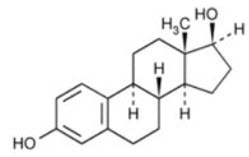
Estradiol is chemically described as estra-1,3,5 (10)-triene-3,17β-diol. The chemical formula is C 18H 24O 2with a molecular weight of 272.38.
The structural formula is:
IMVEXXY (estradiol vaginal inserts) contain the following inactive ingredients: ammonium hydroxide, ethanol, ethyl acetate, ethylene glycol palmitostearate, FD&C Red #40, gelatin, glycerin, isopropyl alcohol, lecithin, medium chain triglycerides, polyethylene glycol, polyethylene glycol stearates, polyvinyl acetate phthalate, propylene glycol, purified water, sorbitol-sorbitan solution, and titanium dioxide. FDA approved acceptance criteria for assay, organic impurities, and dissolution tolerances differ from the USP test.
16.1 How Supplied
IMVEXXY (estradiol vaginal inserts) are small, light pink, tear-shaped inserts for manual placement into the vagina. Inserts contain 4 mcg or 10 mcg of estradiol. Each insert is imprinted in white ink on one side with "04" or "10" corresponding to the insert's dosage strengths.
IMVEXXY (estradiol vaginal inserts), 4 mcg and 10 mcg, are provided in opaque push- through blisters and are packaged in cartons containing either 18 inserts for the starter pack or 8 inserts for the maintenance pack.
| IMVEXXY 4 mcg | 8 inserts | NDC 50261-104-08 |
| IMVEXXY 4 mcg | 18 inserts | NDC 50261-104-18 |
| IMVEXXY 10 mcg | 8 inserts | NDC 50261-110-08 |
| IMVEXXY 10 mcg | 18 inserts | NDC 50261-110-18 |
Keep out of reach of children. Packages are not child-resistant.
5.14 Hypocalcemia
Estrogen-induced hypocalcemia may occur in women with hypoparathyroidism. Consider whether the benefits of estrogen therapy, including IMVEXXY, outweigh the risks in such women.
5.6 Hypercalcemia
Estrogen administration may lead to severe hypercalcemia in women with breast cancer and bone metastases. Discontinue estrogens, including IMVEXXY, if hypercalcemia occurs and take appropriate measures to reduce the serum calcium level.
8.4 Pediatric Use
IMVEXXY is not indicated for use in pediatric patients. Clinical studies have not been conducted in the pediatric population.
8.5 Geriatric Use
There have not been sufficient numbers of geriatric women involved in clinical studies utilizing IMVEXXY to determine whether those over 65 years of age differ from younger subjects in their response to IMVEXXY.
4 Contraindications
IMVEXXY is contraindicated in women with any of the following conditions:
- Undiagnosed abnormal genital bleeding [see Warning and Precautions (5.3)].
- Breast cancer or a history of breast cancer [see Warnings and Precautions (5.3)].
- Estrogen-dependent neoplasia [see Warnings and Precautions (5.3)].
- Active DVT, PE, or history of these conditions [see Warnings and Precautions (5.2)].
- Active arterial thromboembolic disease (for example, stroke or MI), or a history of these conditions [see Warnings and Precautions (5.2)].
- Known anaphylactic reaction, angioedema, or hypersensitivity to IMVEXXY.
- Hepatic impairment or disease.
- Protein C, protein S, or antithrombin deficiency, or other known thrombophilic disorders.
6 Adverse Reactions
The following serious adverse reactions are discussed elsewhere in the labeling:
- Cardiovascular Disorders [see Boxed Warning, Warnings and Precautions (5.2)].
- Malignant Neoplasms [see Boxed Warning, Warnings and Precautions (5.3)] .
7 Drug Interactions
In vitro and in vivo studies have shown that estrogens are metabolized partially by cytochrome P450 3A4 (CYP3A4). Therefore, inducers or inhibitors of CYP3A4 may affect estrogen drug metabolism. Inducers of CYP3A4, such as St. John's wort (Hypericum perforatum) preparations, phenobarbital, carbamazepine, and rifampin, may reduce plasma concentrations of estrogens, possibly resulting in a decrease in therapeutic effects and/or changes in the uterine bleeding profile. Inhibitors of CYP3A4 such as erythromycin, clarithromycin, ketoconazole, itraconazole, ritonavir and grapefruit juice may increase plasma concentrations of estrogens and may result in side effects.
5.13 Fluid Retention
Estrogens may cause some degree of fluid retention. Monitor any woman with a condition(s) that might predispose her to fluid retention, such as cardiac or renal impairment. Discontinue estrogen-alone therapy, including IMVEXXY, with evidence of medically concerning fluid retention.
5.18 Laboratory Test
Serum follicle stimulating hormone (FSH) and estradiol levels have not been shown to be useful in the management of postmenopausal women with moderate to severe symptoms of vulvar and vaginal atrophy due to menopause.
Instructions for Use
Read this Instructions for Use before you start using IMVEXXY and each time you get a refill. There may be new information. This information does not take the place of talking to your healthcare provider about your menopausal symptoms or your treatment.
How should I use IMVEXXY?
- IMVEXXY is an insert only for use in the vagina. Do not take by mouth.
- Put 1 IMVEXXY insert inside your vagina, 1 time a day at about the same time for the first two weeks, then put 1 IMVEXXY insert into your vagina two times a week, every three to four days (for example, Monday and Thursday), for as long as you use IMVEXXY.
- Write down the days you will put in your IMVEXXY insert.
- Wash and dry your hands before handling the IMVEXXY insert.
Step 1:Push 1 IMVEXXY insert through the foil of the blister package.
Figure A
Step 2:Hold the IMVEXXY insert with the larger end between your fingers.
Figure B
Step 3:Select the best position for vaginal insertion that is most comfortable for you to put in the IMVEXXY insert. See Figure Cfor suggested insertion in the lying down position or Figure D for suggested insertion in the standing position. With the smaller end up, put the insert about two inches into your vagina using your finger.
| Figure C | or | Figure D |
If you have any questions, please ask your healthcare provider or pharmacist.
How should I store IMVEXXY?
- Store IMVEXXY at room temperature between 68°F to 77°F (20°C to 25°C). IMVEXXY
- packaging is not child-resistant.
Keep IMVEXXY and al medicines out of the reach of children.
For information, go to TherapeuticsMD.comor call TherapeuticsMD, Inc. at 1-877-833- 0176
Manufactured for: TherapeuticsMD, Inc., Boca Raton, FL 33431
For patent information, go to
TherapeuticsMD.com/patentsIMVEXXY is a registered trademark of TherapeuticsMD, Inc.
© TherapeuticsMD, Inc. All rights reserved.
The Patient Information and Instructions for Use have been approved by the U.S. Food and Drug Administration.
Revised: 11/2023
12.2 Pharmacodynamics
Generally, a serum estrogen concentration does not predict an individual woman's therapeutic response to IMVEXXY nor her risk for adverse outcomes. Likewise, exposure comparisons across different estrogen products to infer efficacy or safety for the individual woman may not be valid.
5.4 Probable Dementia
In the WHI Memory Study (WHIMS) estrogen-alone ancillary study, a population of 2,947 hysterectomized women 65 to 79 years of age was randomized to daily CE (0.625 mg)- alone or placebo.
After an average follow-up of 5.2 years, 28 women in the estrogen-alone group and 19 women in the placebo group were diagnosed with probable dementia. The relative risk of probable dementia for CE-alone versus placebo was 1.49 (95% CI, 0.83 to 2.66). The absolute risk of probable dementia for CE-alone versus placebo was 37 versus 25 cases per 10,000 women-years 8 [see Use in Specific Populations (8.5), and Clinical Studies (14.3)] .
In the WHIMS estrogen plus progestin ancillary study, a population of 4,532 postmenopausal women 65 to 79 years of age was randomized to daily CE (0.625 mg) plus MPA (2.5 mg) or placebo. After an average follow-up of 4 years, 40 women in the CE plus MPA group and 21 women in the placebo group were diagnosed with probable dementia. The relative risk of probable dementia for CE plus MPA versus placebo was 2.05 (95% CI, 1.21 to 3.48). The absolute risk of probable dementia for CE plus MPA versus placebo was 45 versus 22 cases per 10,000 women-years 8 [see Use in Specific Populations (8.5), and Clinical Studies (14.3)] .
When data from the two populations in the WHIMS estrogen-alone and estrogen plus progestin ancillary studies were pooled as planned in the WHIMS protocol, the reported overall relative risk for probable dementia was 1.76 (95% CI, 1.19 to 2.60). Since both ancillary studies were conducted in women 65 to 79 years of age, it is unknown whether these findings apply to younger postmenopausal women 8 [see Use in Specific Populations (8.5), and Clinical Studies (14.3)] .
1 Indications and Usage
IMVEXXY is an estrogen indicated for the treatment of moderate to severe dyspareunia, a symptom of vulvar and vaginal atrophy, due to menopause ( 1).
5.5 Gallbladder Disease
A 2- to 4-fold increase in the risk of gallbladder disease requiring surgery in postmenopausal women receiving estrogens has been reported.
12.1 Mechanism of Action
Endogenous estrogens are largely responsible for the development and maintenance of the female reproductive system and secondary sexual characteristics. Although circulating estrogens exist in a dynamic equilibrium of metabolic interconversions, estradiol is the principal intracellular human estrogen and is substantially more potent than its metabolites, estrone and estriol, at the receptor level.
The primary source of estrogen in normally cycling adult women is the ovarian follicle, which secretes 70 to 500 mcg of estradiol daily, depending on the phase of the menstrual cycle. After menopause, most endogenous estrogen is produced by conversion of androstenedione, secreted by the adrenal cortex, to estrone in the peripheral tissues. Thus, estrone and the sulfate conjugated form, estrone sulfate, are the most abundant circulating estrogens in postmenopausal women.
Estrogens act through binding to nuclear receptors in estrogen-responsive tissues. To date, two estrogen receptors have been identified. These vary in proportion from tissue to tissue.
Circulating estrogens modulate the pituitary secretion of the gonadotropins, luteinizing hormone (LH), and FSH, through a negative feedback mechanism. Estrogens act to reduce the elevated levels of these hormones seen in postmenopausal women.
5.7 Visual Abnormalities
Retinal vascular thrombosis has been reported in women receiving estrogens. Discontinue IMVEXXY pending examination if there is a sudden partial or complete loss of vision, or a sudden onset of proptosis, diplopia, or migraine. Permanently discontinue estrogens, including IMVEXXY, if examination reveals papilledema or retinal vascular lesions.
16.2 Storage and Handling
Store at 20°C to 25ºC (68°F to 77ºF), excursions permitted to 15ºC to 30ºC (59ºF to 86ºF). [See USP Controlled Room Temperature.]
5 Warnings and Precautions
5.16 Hereditary Angioedema
Exogenous estrogens may exacerbate symptoms of angioedema in women with hereditary angioedema. Consider whether the benefits of estrogen therapy, including IMVEXXY, outweigh the risks in such women.
2 Dosage and Administration
Generally, when estrogen is prescribed for a postmenopausal woman with a uterus, consider addition of a progestogen to reduce the risk of endometrial cancer.
Generally, a woman without a uterus does not need to use a progestogen in addition to her estrogen therapy. In some cases, however, hysterectomized women with a history of endometriosis may need a progestogen [see Warnings and Precautions (5.3, 5.15)] .
Use estrogen-alone, or in combination with a progestogen, at the lowest effective dose and for the shortest duration consistent with treatment goals and risks for the individual woman. Re-evaluate postmenopausal women periodically as clinically appropriate to determine if treatment is still necessary.
5.9 Elevated Blood Pressure
In a small number of case reports, substantial increases in blood pressure have been attributed to idiosyncratic reactions to estrogens. In a large, randomized, placebo-controlled clinical trial, a generalized effect of estrogens on blood pressure was not seen.
3 Dosage Forms and Strengths
IMVEXXY are small, light pink, tear-shaped, vaginal inserts for manual placement into the vagina. IMVEXXY inserts contain 4 mcg or 10 mcg of estradiol. Each insert is imprinted in white ink on one side with "04" or "10" corresponding to the insert's dosage strength.
5.2 Cardiovascular Disorders
Increased risks of stroke and DVT are reported with estrogen-alone therapy. Increased risks of PE, DVT, stroke, and MI are reported with estrogen plus progestin therapy. Immediately discontinue estrogen with or without progestogen therapy if any of these occur or are suspected.
Manage appropriately any risk factors for arterial vascular disease (for example, hypertension, diabetes mellitus, tobacco use, hypercholesterolemia, and obesity) and/or venous thromboembolism (VTE) (for example, personal history or family history of VTE, obesity, and systemic lupus erythematosus).
6.2 Postmarketing Experience
The following adverse reactions have been identified during post-approval use of IMVEXXY 4 and 10 mcg. Because these reactions are reported voluntarily from a population of uncertain size, it is not always possible to reliably estimate their frequency or establish a causal relationship to drug exposure.
6.1 Clinical Trials Experience
Because clinical trials are conducted under widely varying conditions, adverse reaction rates observed in the clinical trials of a drug cannot be directly compared to rates in the clinical trials of another drug and may not reflect the rates observed in practice.
The safety of IMVEXXY 4 mcg and 10 mcg was assessed in a single, double-blind, parallel-group, placebo-controlled trial (N = 382). The duration of treatment in this trial was 12 weeks (dosing occurred every day for 14 days and then twice weekly thereafter for maintenance).
Adverse reactions with an incidence of ≥ 3% in any IMVEXXY group and numerically greater than those reported in the placebo group are listed in Table 1.
| Preferred Term | IMVEXXY
4 mcg (N = 191) |
IMVEXXY
10 mcg (N = 191) |
Placebo
(N = 192) |
|---|---|---|---|
| Nervous system disorders, n (%) | |||
| Headache | 7 (3.7) | 5 (2.6) | 6 (3.1) |
17 Patient Counseling Information
Advise women to read the FDA-approved patient labeling (Patient Information and Instructions for Use).
5.1 Risks From Systemic Absorption
IMVEXXY is intended only for vaginal administration. Systemic absorption may occur with the use of IMVEXXY [see Pharmacokinetics (12.3)]. The warnings, precautions, and adverse reactions associated with the use of systemic estrogen-alone therapy should be taken into account.
5.15 Exacerbation of Endometriosis
A few cases of malignant transformation of residual endometrial implants have been reported in women treated post-hysterectomy with estrogen-alone therapy. Consider the addition of progestogen therapy for women known to have residual endometriosis post-hysterectomy.
5.12 Exacerbation of Hypothyroidism
Estrogen administration leads to increased thyroid-binding globulin (TBG) levels. Women with normal thyroid function can compensate for the increased TBG by making more thyroid hormone, thus maintaining free T4 and T3 serum concentrations in the normal range. Women dependent on thyroid hormone replacement therapy who are also receiving estrogens may require increased doses of their thyroid replacement therapy. Monitor thyroid function in these women during treatment with IMVEXXY to maintain their free thyroid hormone levels in an acceptable range.
5.17 Exacerbation of Other Conditions
Estrogen therapy, including IMVEXXY, may cause an exacerbation of asthma, diabetes mellitus, epilepsy, migraine, porphyria, systemic lupus erythematosus, and hepatic hemangiomas. Consider whether the benefits of estrogen therapy outweigh the risks in women with these conditions.
14.2 Women's Health Initiative Studies
The WHI enrolled approximately 27,000 predominantly healthy postmenopausal women in two substudies to assess the risks and benefits of daily oral CE (0.625 mg)-alone or in combination with MPA (2.5 mg) compared to placebo in the prevention of certain chronic diseases. The primary endpoint was the incidence of CHD (defined as nonfatal MI, silent MI and CHD death), with invasive breast cancer as the primary adverse outcome. A "global index" included the earliest occurrence of CHD, invasive breast cancer, stroke, PE, endometrial cancer (only in the CE plus MPA substudy), colorectal cancer, hip fracture, or death due to other causes. These substudies did not evaluate the effects of CE-alone or CE plus MPA on menopausal symptoms.
5.19 Drug Laboratory Test Interactions
- Accelerated prothrombin time, partial thromboplastin time, and platelet aggregation time; increased platelet count; increased factors II, VII antigen, VIII antigen, VIII coagulant activity, IX, X, XII, VII-X complex, II-VII-X complex, and beta- thromboglobulin; decreased levels of antifactor Xa and antithrombin III, decreased antithrombin III activity; increased levels of fibrinogen and fibrinogen activity; increased plasminogen antigen and activity.
- Increased thyroid-binding globulin (TBG) levels leading to increased circulating total thyroid hormone as measured by protein-bound iodine (PBI), T4 levels (by column or by radioimmunoassay) or T3 levels by radioimmunoassay. T3 resin uptake is decreased, reflecting the elevated TBG. Free T4 and free T3 concentrations are unaltered. Women on thyroid replacement therapy may require higher doses of thyroid hormone.
- Other binding proteins may be elevated in serum, for example, corticosteroid binding globulin (CBG), sex hormone-binding globulin (SHBG), leading to increased total circulating corticosteroids and sex steroids, respectively. Free hormone concentrations, such as testosterone and estradiol, may be decreased. Other plasma proteins may be increased (angiotensinogen/renin substrate, alpha-1-antitrypsin, ceruloplasmin).
- Increased plasma high-density lipoprotein (HDL) and HDL2 cholesterol subfraction concentrations, reduced low-density lipoprotein (LDL) cholesterol concentrations, increased triglyceride levels.
- Impaired glucose tolerance.
5.10 Exacerbation of Hypertriglyceridemia
In women with pre-existing hypertriglyceridemia, estrogen therapy may be associated with elevations of plasma triglycerides leading to pancreatitis. Discontinue IMVEXXY if pancreatitis occurs.
14.3 Women's Health Initiative Memory Study
The WHIMS estrogen-alone ancillary study of WHI enrolled 2,947 predominately healthy hysterectomized postmenopausal women 65 to 79 years of age and older (45% were 65 to 69 years of age; 36% were 70 to 74 years of age; 19% were 75 years of age and older) to evaluate the effects of daily CE (0.625 mg)-alone on the incidence of probable dementia (primary outcome) compared to placebo.
After an average follow-up of 5.2 years, the relative risk of probable dementia for CE- alone versus placebo was 1.49 (95% CI, 0.83 to 2.66). The absolute risk of probable dementia for CE-alone versus placebo was 37 versus 25 cases per 10,000 women- years. Probable dementia as defined in this study included Alzheimer's disease (AD), vascular dementia (VaD) and mixed types (having features of both AD and VaD). The most common classification of probable dementia in the treatment group and the placebo group was AD. Since the ancillary study was conducted in women 65 to 79 years of age, it is unknown whether these findings apply to younger postmenopausal women [see Warnings and Precautions (5.4), and Use in Specific Populations (8.5)] .
The WHIMS estrogen plus progestin ancillary study of WHI enrolled 4,532 predominantly healthy postmenopausal women 65 years of age and older (47% were 65 to 69 years of age; 35% were 70 to 74 years; 18% were 75 years of age and older) to evaluate the effects of daily CE (0.625 mg) plus MPA (2.5 mg) on the incidence of probable dementia (primary outcome) compared to placebo.
After an average follow-up of 4 years, the relative risk of probable dementia for CE plus MPA versus placebo was 2.05 (95% CI, 1.21 to 3.48). The absolute risk of probable dementia for CE plus MPA versus placebo was 45 versus 22 per 10,000 women-years. Probable dementia as defined in this study included AD, VaD and mixed types (having features of both AD and VaD). The most common classification of probable dementia in the treatment group and the placebo group was AD. Since the ancillary study was conducted in women 65 to 79 years of age, it is unknown whether these findings apply to younger postmenopausal women [see Warnings and Precautions (5.4), and Use in Specific Populations (8.5)].
When data from the two populations were pooled as planned in the WHIMS protocol, the reported overall relative risk for probable dementia was 1.76 (95% CI, 1.19 to 2.60). Differences between groups became apparent in the first year of treatment. It is unknown whether these findings apply to younger postmenopausal women [see Warnings and Precautions (5.4), and Use in Specific Populations (8.5)].
13.1 Carcinogenesis, Mutagenesis, Impairment of Fertility
Long-term continuous administration of natural and synthetic estrogens in certain animal species increases the frequency of carcinomas of the breast, uterus, cervix, vagina, testis, and liver.
5.11 Hepatic Impairment And/or Past History of Cholestatic Jaundice
Estrogens may be poorly metabolized in women with hepatic impairment. Exercise caution in any woman with a history of cholestatic jaundice associated with past estrogen use or with pregnancy. In the case of recurrence of cholestatic jaundice, discontinue IMVEXXY.
5.8 Addition of A Progestogen When A Woman Has Not Had A Hysterectomy
Studies of the addition of a progestogen for 10 or more days of a cycle of estrogen administration, or daily with estrogen in a continuous regimen, have reported a lowered incidence of endometrial hyperplasia than would be induced by estrogen treatment alone. Endometrial hyperplasia may be a precursor to endometrial cancer.
There are, however, possible risks that may be associated with the use of progestogens with estrogens compared to estrogen-alone regimens. These include an increased risk of breast cancer.
14.1 Effects On Moderate to Severe Dyspareunia in Postmenopausal Women
The effectiveness and safety of IMVEXXY on moderate to severe dyspareunia, a symptom of vulvar and vaginal atrophy due to menopause were examined in one placebo-controlled clinical trial.
This 12-week, randomized, double-blind, placebo-controlled, parallel-group trial enrollee 574 generally healthy postmenopausal women between 40 to 75 years of age (mean 59 years of age) who at baseline assessment had ≤ 5% superficial cells on a vaginal smear, a vaginal pH > 5.0, and also identified, at baseline, moderate to severe dyspareunia as the most bothersome symptom to her. Greater than 90% of women also reported moderate to severe vaginal dryness at baseline. Treatment groups included 4 mcg IMVEXXY (N = 191), 10 mcg IMVEXXY (N = 191), and placebo (N = 192). All women were assessed for improvement in the mean change from Baseline to Week 12 for the co-primary efficacy variables of: most bothersome moderate to severe symptom of dyspareunia, percentage of vaginal superficial and percentage of vaginal parabasal cells on a vaginal smear, and vaginal pH.
IMVEXXY 4 mcg and 10 mcg inserts were statistically superior to placebo in reducing the severity of moderate to severe dyspareunia at Week 12 (see Table 3). A statistically significant increase in the percentage of superficial cells and a corresponding statistically significant decrease in the percentage of parabasal cells on a vaginal smear was also demonstrated for IMVEXXY 4 and 10 mcg inserts (p < 0.0001). The mean reduction in vaginal pH between Baseline and Week 12 was also statistically significant for IMVEXXY 4 and 10 mcg inserts (p < 0.0001).
| Most Bothersome Moderate to Severe Symptom at Baseline | IMVEXXY
4 mcg (N = 151) |
IMVEXXY
10 mcg (N = 154) |
Placebo
(N = 163) |
|---|---|---|---|
| The modified intent-to-treat population (MITT) included only women in the ITT population who at baseline met the inclusion criteria of ≤ 5% superficial cells on a vaginal smear, a vaginal pH > 5.0, and who identified moderate or severe dyspareunia as her most bothersome vaginal symptom.
Definitions: SD – standard deviation; SE – standard error; LS – least square |
|||
| Dyspareunia | |||
| Baseline Mean (SD) | 2.7 (0.48) | 2.6 (0.48) | 2.7 (0.46) |
| LS Mean Change from Baseline (SE) | -1.52 (0.071) | -1.69 (0.071) | -1.28 (0.070) |
| p-value vs placebo | 0.0149 | <0.0001 | ------ |
Warning: Endometrial Cancer, Cardiovascular Disorders, Probable Dementia, and Breast Cancer
WARNING: ENDOMETRIAL CANCER, CARDIOVASCULAR DISORDERS, PROBABLE DEMENTIA, and BREAST CANCER
See full prescribing information for complete boxed warning.
Estrogen-Alone Therapy
- There is an increased risk of endometrial cancer in a woman with a uterus who uses unopposed estrogens ( 5.3)
- The Women's Health Initiative (WHI) estrogen-alone substudy reported increased risks of stroke and deep vein thrombosis (DVT) ( 5.2)
- The WHI Memory Study (WHIMS) estrogen-alone ancillary study of WHI reported an increased risk of probable dementia in postmenopausal women 65 years of age and older ( 5.4)
- Do not use estrogen-alone therapy for the prevention of cardiovascular disease or dementia ( 5.2, 5.4)
Estrogen Plus Progestin Therapy
- The WHI estrogen plus progestin substudy reported increased risks of stroke, DVT, pumlonary embolism (PE) and myocardial infarction (MI) ( 5.2)
- The WHI estrogen plus progestin substudy reported increased risks of invasive breast cancer ( 5.3)
- The WHIMS estrogen plus progestin ancillary study of WHI reported an increased risk of probable dementia in postmenopausal women 65 years of age and older ( 5.4)
- Do not use estrogen plus progestogen therapy for the prevention of cardiovascular disease or dementia ( 5.2, 5.4)
2.1 Treatment of Moderate to Severe Dyspareunia, A Symptom of Vulvar and Vaginal Atrophy, Due to Menopause
Generally, start therapy with the IMVEXXY 4 mcg dosage strength administered intravaginally; insert with the smaller end up for a depth of about two inches into the vaginal canal. Administer 1 insert daily at approximately the same time for 2 weeks, followed by 1 insert twice weekly, every three to four days (for example, Monday and Thursday). Make dosage adjustment based on the clinical response.
Structured Label Content
Section 42229-5 (42229-5)
Estrogen-Alone Therapy
Section 42230-3 (42230-3)
| PATIENT INFORMATION
IMVEXXY (ĭm vex' ee) (estradiol vaginal inserts) |
||
| Read this Patient Information before you start using IMVEXXY and each time you get a refill. There may be new information. This information does not take the place of talking to your healthcare provider about your menopausal symptoms or your treatment. | ||
|
What is the most important information I should know about IMVEXXY (an estrogen hormone)?
|
||
|
What is IMVEXXY?
IMVEXXY is a prescription medicine that contains an estrogen hormone in a vaginal insert. |
||
|
What is IMVEXXY used for?
IMVEXXY is used after menopause to treat moderate to severe painful intercourse, a symptom of changes in and around your vagina, due to menopause. |
||
|
Who should not use IMVEXXY?
Do not start using IMVEXXY if you:
|
||
Before you use IMVEXXY, tell your healthcare provider about all of your medical conditions, including if you:
|
||
|
Tell your healthcare provider about all the medicines you take,including prescription and over-the-counter medicines, vitamins, and herbal supplements.
IMVEXXY may also affect how other medicines work. Keep a list of your medicines and show it to your healthcare provider and pharmacist when you get new medicine. |
||
|
How should I use IMVEXXY?
For detailed instructions, see the step-by-step instructions for using IMVEXXY at the end of this Patient Information.
|
||
|
What are the possible side effects of IMVEXXY?
Side effects are grouped by how serious they are and how often they happen when you are treated. Serious, but less common side effects could include: |
||
|
|
|
Call your healthcare provider right away if you get any of the following warning signs or any other unusual symptoms that concern you:
|
||
Common side effects of IMVEXXY include:
|
||
| These are not all of the possible side effects of IMVEXXY. For more information, ask your healthcare provider or pharmacist. Tell your healthcare provider if you have any side effects that bother you or that do not go away.
Call your doctor for medical advice about side effects. You may report side effects to FDA at 1-800-FDA-1088. You may also report side effects to Mayne Pharma at 1- 844-825-8500. |
||
What can I do to lower my chances of a serious side effect with IMVEXXY?
|
||
|
General information about the safe and effective use of IMVEXXY.
Medicines are sometimes prescribed for purposes other than those listed in a Patient Information leaflet. Do not use IMVEXXY for a condition for which it was not prescribed. Do not give IMVEXXY to other people, even if they have the same symptoms you have. It may harm them. You can ask your pharmacist or healthcare provider for information about IMVEXXY that is written for health professionals |
||
|
What are the ingredients in IMVEXXY?
Active ingredient:IMVEXXY (estradiol vaginal inserts) are small, light pink, tear-shaped inserts that contain estradiol. Inactive ingredients: Each insert also contains ammonium hydroxide, ethanol, ethyl acetate, ethylene glycol palmitostearate, FD&C Red #40, gelatin, glycerin, isopropyl alcohol, lecithin, medium chain triglycerides, polyethylene glycol, polyethylene glycol stearates, polyvinyl acetate phthalate, propylene glycol, purified water, sorbitol-sorbitan solution, and titanium dioxide. IMVEXXY is supplied in blister cartons of 18 or 8 vaginal inserts. |
Section 43683-2 (43683-2)
| Boxed Warning | 11/2021 |
| Warnings and Precautions, Malignant Neoplasms ( 5.3) | 11/2023 |
Section 51945-4 (51945-4)
Principal Display Panel - Imvexxy 4 mcg 8 Count Carton Label
NDC 50261-104-08
Rx only
Imvexxy ®
4 mcg(estradiol vaginal inserts)
TherapeuticsMD ®
8 vaginal inserts
FOR VAGINAL USE ONLY
10 Overdosage (10 OVERDOSAGE)
Overdosage of estrogen may cause nausea, vomiting, breast tenderness, abdominal pain, drowsiness and fatigue, and withdrawal bleeding may occur in women. Treatment of overdose consists of discontinuation of IMVEXXY therapy with institution of appropriate symptomatic care.
15 References (15 REFERENCES)
- Rossouw JE, et al. Postmenopausal Hormone Therapy and Risk of Cardiovascular Disease by Age and Years Since Menopause. JAMA. 2007; 297:1465-1477.
- Hsia J, et al. Conjugated Equine Estrogens and Coronary Heart Disease. Arch Int Med. 2006; 166:357-365.
- Curb JD, et al. Venous Thrombosis and Conjugated Equine Estrogen in Women Without a Uterus. Arch Int Med. 2006; 166:772-780.
- Cushman M, et al. Estrogen Plus Progestin and Risk of Venous Thrombosis. JAMA. 2004; 292:1573-1580.
- Stefanick ML, et al. Effects of Conjugated Equine Estrogens on Breast Cancer and Mammography Screening in Postmenopausal Women with Hysterectomy. JAMA. 2006; 295:1647-1657.
- Chlebowski RT, et al. Influence of Estrogen Plus Progestin on Breast Cancer and Mammography in Healthy Postmenopausal Women. JAMA. 2003; 289:3243-3253.
- Anderson GL, et al. Effects of Estrogen Plus Progestin on Gynecologic Cancers and Associated Diagnostic Procedures. JAMA. 2003; 290:1739-1748.
- Shumaker SA, et al. Conjugated Equine Estrogens and Incidence of Probable Dementia and Mild Cognitive Impairment in Postmenopausal Women. JAMA. 2004; 291:2947-2958.
- Jackson RD, et al. Effects of Conjugated Equine Estrogen on Risk of Fractures and BMD in Postmenopausal Women with Hysterectomy: Results from the Women's Health Initiative Randomized Trial. J Bone Miner Res. 2006; 21:817-828.
- Hendrix SL, et al. Effects of Conjugated Equine Estrogen on Stroke in the Women's Health Initiative. Circulation. 2006; 113:2425-2434.
11 Description (11 DESCRIPTION)
IMVEXXY (estradiol vaginal inserts) are small, light pink, tear-shaped, vaginal inserts for manual placement into the vagina. Inserts contain 4 mcg or 10 mcg of estradiol, an estrogen. Each insert is imprinted in white ink on one side with "04" or "10" corresponding to the insert's dosage strength. IMVEXXY vaginal inserts are used intravaginally. When the insert comes in contact with the vaginal mucosa, estradiol is released into the vagina.
Estradiol is chemically described as estra-1,3,5 (10)-triene-3,17β-diol. The chemical formula is C 18H 24O 2with a molecular weight of 272.38.
The structural formula is:
IMVEXXY (estradiol vaginal inserts) contain the following inactive ingredients: ammonium hydroxide, ethanol, ethyl acetate, ethylene glycol palmitostearate, FD&C Red #40, gelatin, glycerin, isopropyl alcohol, lecithin, medium chain triglycerides, polyethylene glycol, polyethylene glycol stearates, polyvinyl acetate phthalate, propylene glycol, purified water, sorbitol-sorbitan solution, and titanium dioxide. FDA approved acceptance criteria for assay, organic impurities, and dissolution tolerances differ from the USP test.
16.1 How Supplied
IMVEXXY (estradiol vaginal inserts) are small, light pink, tear-shaped inserts for manual placement into the vagina. Inserts contain 4 mcg or 10 mcg of estradiol. Each insert is imprinted in white ink on one side with "04" or "10" corresponding to the insert's dosage strengths.
IMVEXXY (estradiol vaginal inserts), 4 mcg and 10 mcg, are provided in opaque push- through blisters and are packaged in cartons containing either 18 inserts for the starter pack or 8 inserts for the maintenance pack.
| IMVEXXY 4 mcg | 8 inserts | NDC 50261-104-08 |
| IMVEXXY 4 mcg | 18 inserts | NDC 50261-104-18 |
| IMVEXXY 10 mcg | 8 inserts | NDC 50261-110-08 |
| IMVEXXY 10 mcg | 18 inserts | NDC 50261-110-18 |
Keep out of reach of children. Packages are not child-resistant.
5.14 Hypocalcemia
Estrogen-induced hypocalcemia may occur in women with hypoparathyroidism. Consider whether the benefits of estrogen therapy, including IMVEXXY, outweigh the risks in such women.
5.6 Hypercalcemia
Estrogen administration may lead to severe hypercalcemia in women with breast cancer and bone metastases. Discontinue estrogens, including IMVEXXY, if hypercalcemia occurs and take appropriate measures to reduce the serum calcium level.
8.4 Pediatric Use
IMVEXXY is not indicated for use in pediatric patients. Clinical studies have not been conducted in the pediatric population.
8.5 Geriatric Use
There have not been sufficient numbers of geriatric women involved in clinical studies utilizing IMVEXXY to determine whether those over 65 years of age differ from younger subjects in their response to IMVEXXY.
4 Contraindications (4 CONTRAINDICATIONS)
IMVEXXY is contraindicated in women with any of the following conditions:
- Undiagnosed abnormal genital bleeding [see Warning and Precautions (5.3)].
- Breast cancer or a history of breast cancer [see Warnings and Precautions (5.3)].
- Estrogen-dependent neoplasia [see Warnings and Precautions (5.3)].
- Active DVT, PE, or history of these conditions [see Warnings and Precautions (5.2)].
- Active arterial thromboembolic disease (for example, stroke or MI), or a history of these conditions [see Warnings and Precautions (5.2)].
- Known anaphylactic reaction, angioedema, or hypersensitivity to IMVEXXY.
- Hepatic impairment or disease.
- Protein C, protein S, or antithrombin deficiency, or other known thrombophilic disorders.
6 Adverse Reactions (6 ADVERSE REACTIONS)
The following serious adverse reactions are discussed elsewhere in the labeling:
- Cardiovascular Disorders [see Boxed Warning, Warnings and Precautions (5.2)].
- Malignant Neoplasms [see Boxed Warning, Warnings and Precautions (5.3)] .
7 Drug Interactions (7 DRUG INTERACTIONS)
In vitro and in vivo studies have shown that estrogens are metabolized partially by cytochrome P450 3A4 (CYP3A4). Therefore, inducers or inhibitors of CYP3A4 may affect estrogen drug metabolism. Inducers of CYP3A4, such as St. John's wort (Hypericum perforatum) preparations, phenobarbital, carbamazepine, and rifampin, may reduce plasma concentrations of estrogens, possibly resulting in a decrease in therapeutic effects and/or changes in the uterine bleeding profile. Inhibitors of CYP3A4 such as erythromycin, clarithromycin, ketoconazole, itraconazole, ritonavir and grapefruit juice may increase plasma concentrations of estrogens and may result in side effects.
5.13 Fluid Retention
Estrogens may cause some degree of fluid retention. Monitor any woman with a condition(s) that might predispose her to fluid retention, such as cardiac or renal impairment. Discontinue estrogen-alone therapy, including IMVEXXY, with evidence of medically concerning fluid retention.
5.18 Laboratory Test
Serum follicle stimulating hormone (FSH) and estradiol levels have not been shown to be useful in the management of postmenopausal women with moderate to severe symptoms of vulvar and vaginal atrophy due to menopause.
Instructions for Use (Instructions For Use)
Read this Instructions for Use before you start using IMVEXXY and each time you get a refill. There may be new information. This information does not take the place of talking to your healthcare provider about your menopausal symptoms or your treatment.
How should I use IMVEXXY?
- IMVEXXY is an insert only for use in the vagina. Do not take by mouth.
- Put 1 IMVEXXY insert inside your vagina, 1 time a day at about the same time for the first two weeks, then put 1 IMVEXXY insert into your vagina two times a week, every three to four days (for example, Monday and Thursday), for as long as you use IMVEXXY.
- Write down the days you will put in your IMVEXXY insert.
- Wash and dry your hands before handling the IMVEXXY insert.
Step 1:Push 1 IMVEXXY insert through the foil of the blister package.
Figure A
Step 2:Hold the IMVEXXY insert with the larger end between your fingers.
Figure B
Step 3:Select the best position for vaginal insertion that is most comfortable for you to put in the IMVEXXY insert. See Figure Cfor suggested insertion in the lying down position or Figure D for suggested insertion in the standing position. With the smaller end up, put the insert about two inches into your vagina using your finger.
| Figure C | or | Figure D |
If you have any questions, please ask your healthcare provider or pharmacist.
How should I store IMVEXXY?
- Store IMVEXXY at room temperature between 68°F to 77°F (20°C to 25°C). IMVEXXY
- packaging is not child-resistant.
Keep IMVEXXY and al medicines out of the reach of children.
For information, go to TherapeuticsMD.comor call TherapeuticsMD, Inc. at 1-877-833- 0176
Manufactured for: TherapeuticsMD, Inc., Boca Raton, FL 33431
For patent information, go to
TherapeuticsMD.com/patentsIMVEXXY is a registered trademark of TherapeuticsMD, Inc.
© TherapeuticsMD, Inc. All rights reserved.
The Patient Information and Instructions for Use have been approved by the U.S. Food and Drug Administration.
Revised: 11/2023
12.2 Pharmacodynamics
Generally, a serum estrogen concentration does not predict an individual woman's therapeutic response to IMVEXXY nor her risk for adverse outcomes. Likewise, exposure comparisons across different estrogen products to infer efficacy or safety for the individual woman may not be valid.
5.4 Probable Dementia
In the WHI Memory Study (WHIMS) estrogen-alone ancillary study, a population of 2,947 hysterectomized women 65 to 79 years of age was randomized to daily CE (0.625 mg)- alone or placebo.
After an average follow-up of 5.2 years, 28 women in the estrogen-alone group and 19 women in the placebo group were diagnosed with probable dementia. The relative risk of probable dementia for CE-alone versus placebo was 1.49 (95% CI, 0.83 to 2.66). The absolute risk of probable dementia for CE-alone versus placebo was 37 versus 25 cases per 10,000 women-years 8 [see Use in Specific Populations (8.5), and Clinical Studies (14.3)] .
In the WHIMS estrogen plus progestin ancillary study, a population of 4,532 postmenopausal women 65 to 79 years of age was randomized to daily CE (0.625 mg) plus MPA (2.5 mg) or placebo. After an average follow-up of 4 years, 40 women in the CE plus MPA group and 21 women in the placebo group were diagnosed with probable dementia. The relative risk of probable dementia for CE plus MPA versus placebo was 2.05 (95% CI, 1.21 to 3.48). The absolute risk of probable dementia for CE plus MPA versus placebo was 45 versus 22 cases per 10,000 women-years 8 [see Use in Specific Populations (8.5), and Clinical Studies (14.3)] .
When data from the two populations in the WHIMS estrogen-alone and estrogen plus progestin ancillary studies were pooled as planned in the WHIMS protocol, the reported overall relative risk for probable dementia was 1.76 (95% CI, 1.19 to 2.60). Since both ancillary studies were conducted in women 65 to 79 years of age, it is unknown whether these findings apply to younger postmenopausal women 8 [see Use in Specific Populations (8.5), and Clinical Studies (14.3)] .
1 Indications and Usage (1 INDICATIONS AND USAGE)
IMVEXXY is an estrogen indicated for the treatment of moderate to severe dyspareunia, a symptom of vulvar and vaginal atrophy, due to menopause ( 1).
5.5 Gallbladder Disease
A 2- to 4-fold increase in the risk of gallbladder disease requiring surgery in postmenopausal women receiving estrogens has been reported.
12.1 Mechanism of Action
Endogenous estrogens are largely responsible for the development and maintenance of the female reproductive system and secondary sexual characteristics. Although circulating estrogens exist in a dynamic equilibrium of metabolic interconversions, estradiol is the principal intracellular human estrogen and is substantially more potent than its metabolites, estrone and estriol, at the receptor level.
The primary source of estrogen in normally cycling adult women is the ovarian follicle, which secretes 70 to 500 mcg of estradiol daily, depending on the phase of the menstrual cycle. After menopause, most endogenous estrogen is produced by conversion of androstenedione, secreted by the adrenal cortex, to estrone in the peripheral tissues. Thus, estrone and the sulfate conjugated form, estrone sulfate, are the most abundant circulating estrogens in postmenopausal women.
Estrogens act through binding to nuclear receptors in estrogen-responsive tissues. To date, two estrogen receptors have been identified. These vary in proportion from tissue to tissue.
Circulating estrogens modulate the pituitary secretion of the gonadotropins, luteinizing hormone (LH), and FSH, through a negative feedback mechanism. Estrogens act to reduce the elevated levels of these hormones seen in postmenopausal women.
5.7 Visual Abnormalities
Retinal vascular thrombosis has been reported in women receiving estrogens. Discontinue IMVEXXY pending examination if there is a sudden partial or complete loss of vision, or a sudden onset of proptosis, diplopia, or migraine. Permanently discontinue estrogens, including IMVEXXY, if examination reveals papilledema or retinal vascular lesions.
16.2 Storage and Handling
Store at 20°C to 25ºC (68°F to 77ºF), excursions permitted to 15ºC to 30ºC (59ºF to 86ºF). [See USP Controlled Room Temperature.]
5 Warnings and Precautions (5 WARNINGS AND PRECAUTIONS)
5.16 Hereditary Angioedema
Exogenous estrogens may exacerbate symptoms of angioedema in women with hereditary angioedema. Consider whether the benefits of estrogen therapy, including IMVEXXY, outweigh the risks in such women.
2 Dosage and Administration (2 DOSAGE AND ADMINISTRATION)
Generally, when estrogen is prescribed for a postmenopausal woman with a uterus, consider addition of a progestogen to reduce the risk of endometrial cancer.
Generally, a woman without a uterus does not need to use a progestogen in addition to her estrogen therapy. In some cases, however, hysterectomized women with a history of endometriosis may need a progestogen [see Warnings and Precautions (5.3, 5.15)] .
Use estrogen-alone, or in combination with a progestogen, at the lowest effective dose and for the shortest duration consistent with treatment goals and risks for the individual woman. Re-evaluate postmenopausal women periodically as clinically appropriate to determine if treatment is still necessary.
5.9 Elevated Blood Pressure
In a small number of case reports, substantial increases in blood pressure have been attributed to idiosyncratic reactions to estrogens. In a large, randomized, placebo-controlled clinical trial, a generalized effect of estrogens on blood pressure was not seen.
3 Dosage Forms and Strengths (3 DOSAGE FORMS AND STRENGTHS)
IMVEXXY are small, light pink, tear-shaped, vaginal inserts for manual placement into the vagina. IMVEXXY inserts contain 4 mcg or 10 mcg of estradiol. Each insert is imprinted in white ink on one side with "04" or "10" corresponding to the insert's dosage strength.
5.2 Cardiovascular Disorders
Increased risks of stroke and DVT are reported with estrogen-alone therapy. Increased risks of PE, DVT, stroke, and MI are reported with estrogen plus progestin therapy. Immediately discontinue estrogen with or without progestogen therapy if any of these occur or are suspected.
Manage appropriately any risk factors for arterial vascular disease (for example, hypertension, diabetes mellitus, tobacco use, hypercholesterolemia, and obesity) and/or venous thromboembolism (VTE) (for example, personal history or family history of VTE, obesity, and systemic lupus erythematosus).
6.2 Postmarketing Experience
The following adverse reactions have been identified during post-approval use of IMVEXXY 4 and 10 mcg. Because these reactions are reported voluntarily from a population of uncertain size, it is not always possible to reliably estimate their frequency or establish a causal relationship to drug exposure.
6.1 Clinical Trials Experience
Because clinical trials are conducted under widely varying conditions, adverse reaction rates observed in the clinical trials of a drug cannot be directly compared to rates in the clinical trials of another drug and may not reflect the rates observed in practice.
The safety of IMVEXXY 4 mcg and 10 mcg was assessed in a single, double-blind, parallel-group, placebo-controlled trial (N = 382). The duration of treatment in this trial was 12 weeks (dosing occurred every day for 14 days and then twice weekly thereafter for maintenance).
Adverse reactions with an incidence of ≥ 3% in any IMVEXXY group and numerically greater than those reported in the placebo group are listed in Table 1.
| Preferred Term | IMVEXXY
4 mcg (N = 191) |
IMVEXXY
10 mcg (N = 191) |
Placebo
(N = 192) |
|---|---|---|---|
| Nervous system disorders, n (%) | |||
| Headache | 7 (3.7) | 5 (2.6) | 6 (3.1) |
17 Patient Counseling Information (17 PATIENT COUNSELING INFORMATION)
Advise women to read the FDA-approved patient labeling (Patient Information and Instructions for Use).
5.1 Risks From Systemic Absorption (5.1 Risks from Systemic Absorption)
IMVEXXY is intended only for vaginal administration. Systemic absorption may occur with the use of IMVEXXY [see Pharmacokinetics (12.3)]. The warnings, precautions, and adverse reactions associated with the use of systemic estrogen-alone therapy should be taken into account.
5.15 Exacerbation of Endometriosis
A few cases of malignant transformation of residual endometrial implants have been reported in women treated post-hysterectomy with estrogen-alone therapy. Consider the addition of progestogen therapy for women known to have residual endometriosis post-hysterectomy.
5.12 Exacerbation of Hypothyroidism
Estrogen administration leads to increased thyroid-binding globulin (TBG) levels. Women with normal thyroid function can compensate for the increased TBG by making more thyroid hormone, thus maintaining free T4 and T3 serum concentrations in the normal range. Women dependent on thyroid hormone replacement therapy who are also receiving estrogens may require increased doses of their thyroid replacement therapy. Monitor thyroid function in these women during treatment with IMVEXXY to maintain their free thyroid hormone levels in an acceptable range.
5.17 Exacerbation of Other Conditions
Estrogen therapy, including IMVEXXY, may cause an exacerbation of asthma, diabetes mellitus, epilepsy, migraine, porphyria, systemic lupus erythematosus, and hepatic hemangiomas. Consider whether the benefits of estrogen therapy outweigh the risks in women with these conditions.
14.2 Women's Health Initiative Studies
The WHI enrolled approximately 27,000 predominantly healthy postmenopausal women in two substudies to assess the risks and benefits of daily oral CE (0.625 mg)-alone or in combination with MPA (2.5 mg) compared to placebo in the prevention of certain chronic diseases. The primary endpoint was the incidence of CHD (defined as nonfatal MI, silent MI and CHD death), with invasive breast cancer as the primary adverse outcome. A "global index" included the earliest occurrence of CHD, invasive breast cancer, stroke, PE, endometrial cancer (only in the CE plus MPA substudy), colorectal cancer, hip fracture, or death due to other causes. These substudies did not evaluate the effects of CE-alone or CE plus MPA on menopausal symptoms.
5.19 Drug Laboratory Test Interactions
- Accelerated prothrombin time, partial thromboplastin time, and platelet aggregation time; increased platelet count; increased factors II, VII antigen, VIII antigen, VIII coagulant activity, IX, X, XII, VII-X complex, II-VII-X complex, and beta- thromboglobulin; decreased levels of antifactor Xa and antithrombin III, decreased antithrombin III activity; increased levels of fibrinogen and fibrinogen activity; increased plasminogen antigen and activity.
- Increased thyroid-binding globulin (TBG) levels leading to increased circulating total thyroid hormone as measured by protein-bound iodine (PBI), T4 levels (by column or by radioimmunoassay) or T3 levels by radioimmunoassay. T3 resin uptake is decreased, reflecting the elevated TBG. Free T4 and free T3 concentrations are unaltered. Women on thyroid replacement therapy may require higher doses of thyroid hormone.
- Other binding proteins may be elevated in serum, for example, corticosteroid binding globulin (CBG), sex hormone-binding globulin (SHBG), leading to increased total circulating corticosteroids and sex steroids, respectively. Free hormone concentrations, such as testosterone and estradiol, may be decreased. Other plasma proteins may be increased (angiotensinogen/renin substrate, alpha-1-antitrypsin, ceruloplasmin).
- Increased plasma high-density lipoprotein (HDL) and HDL2 cholesterol subfraction concentrations, reduced low-density lipoprotein (LDL) cholesterol concentrations, increased triglyceride levels.
- Impaired glucose tolerance.
5.10 Exacerbation of Hypertriglyceridemia
In women with pre-existing hypertriglyceridemia, estrogen therapy may be associated with elevations of plasma triglycerides leading to pancreatitis. Discontinue IMVEXXY if pancreatitis occurs.
14.3 Women's Health Initiative Memory Study
The WHIMS estrogen-alone ancillary study of WHI enrolled 2,947 predominately healthy hysterectomized postmenopausal women 65 to 79 years of age and older (45% were 65 to 69 years of age; 36% were 70 to 74 years of age; 19% were 75 years of age and older) to evaluate the effects of daily CE (0.625 mg)-alone on the incidence of probable dementia (primary outcome) compared to placebo.
After an average follow-up of 5.2 years, the relative risk of probable dementia for CE- alone versus placebo was 1.49 (95% CI, 0.83 to 2.66). The absolute risk of probable dementia for CE-alone versus placebo was 37 versus 25 cases per 10,000 women- years. Probable dementia as defined in this study included Alzheimer's disease (AD), vascular dementia (VaD) and mixed types (having features of both AD and VaD). The most common classification of probable dementia in the treatment group and the placebo group was AD. Since the ancillary study was conducted in women 65 to 79 years of age, it is unknown whether these findings apply to younger postmenopausal women [see Warnings and Precautions (5.4), and Use in Specific Populations (8.5)] .
The WHIMS estrogen plus progestin ancillary study of WHI enrolled 4,532 predominantly healthy postmenopausal women 65 years of age and older (47% were 65 to 69 years of age; 35% were 70 to 74 years; 18% were 75 years of age and older) to evaluate the effects of daily CE (0.625 mg) plus MPA (2.5 mg) on the incidence of probable dementia (primary outcome) compared to placebo.
After an average follow-up of 4 years, the relative risk of probable dementia for CE plus MPA versus placebo was 2.05 (95% CI, 1.21 to 3.48). The absolute risk of probable dementia for CE plus MPA versus placebo was 45 versus 22 per 10,000 women-years. Probable dementia as defined in this study included AD, VaD and mixed types (having features of both AD and VaD). The most common classification of probable dementia in the treatment group and the placebo group was AD. Since the ancillary study was conducted in women 65 to 79 years of age, it is unknown whether these findings apply to younger postmenopausal women [see Warnings and Precautions (5.4), and Use in Specific Populations (8.5)].
When data from the two populations were pooled as planned in the WHIMS protocol, the reported overall relative risk for probable dementia was 1.76 (95% CI, 1.19 to 2.60). Differences between groups became apparent in the first year of treatment. It is unknown whether these findings apply to younger postmenopausal women [see Warnings and Precautions (5.4), and Use in Specific Populations (8.5)].
13.1 Carcinogenesis, Mutagenesis, Impairment of Fertility
Long-term continuous administration of natural and synthetic estrogens in certain animal species increases the frequency of carcinomas of the breast, uterus, cervix, vagina, testis, and liver.
5.11 Hepatic Impairment And/or Past History of Cholestatic Jaundice (5.11 Hepatic Impairment and/or Past History of Cholestatic Jaundice)
Estrogens may be poorly metabolized in women with hepatic impairment. Exercise caution in any woman with a history of cholestatic jaundice associated with past estrogen use or with pregnancy. In the case of recurrence of cholestatic jaundice, discontinue IMVEXXY.
5.8 Addition of A Progestogen When A Woman Has Not Had A Hysterectomy (5.8 Addition of a Progestogen When a Woman Has Not Had a Hysterectomy)
Studies of the addition of a progestogen for 10 or more days of a cycle of estrogen administration, or daily with estrogen in a continuous regimen, have reported a lowered incidence of endometrial hyperplasia than would be induced by estrogen treatment alone. Endometrial hyperplasia may be a precursor to endometrial cancer.
There are, however, possible risks that may be associated with the use of progestogens with estrogens compared to estrogen-alone regimens. These include an increased risk of breast cancer.
14.1 Effects On Moderate to Severe Dyspareunia in Postmenopausal Women (14.1 Effects on Moderate to Severe Dyspareunia in Postmenopausal Women)
The effectiveness and safety of IMVEXXY on moderate to severe dyspareunia, a symptom of vulvar and vaginal atrophy due to menopause were examined in one placebo-controlled clinical trial.
This 12-week, randomized, double-blind, placebo-controlled, parallel-group trial enrollee 574 generally healthy postmenopausal women between 40 to 75 years of age (mean 59 years of age) who at baseline assessment had ≤ 5% superficial cells on a vaginal smear, a vaginal pH > 5.0, and also identified, at baseline, moderate to severe dyspareunia as the most bothersome symptom to her. Greater than 90% of women also reported moderate to severe vaginal dryness at baseline. Treatment groups included 4 mcg IMVEXXY (N = 191), 10 mcg IMVEXXY (N = 191), and placebo (N = 192). All women were assessed for improvement in the mean change from Baseline to Week 12 for the co-primary efficacy variables of: most bothersome moderate to severe symptom of dyspareunia, percentage of vaginal superficial and percentage of vaginal parabasal cells on a vaginal smear, and vaginal pH.
IMVEXXY 4 mcg and 10 mcg inserts were statistically superior to placebo in reducing the severity of moderate to severe dyspareunia at Week 12 (see Table 3). A statistically significant increase in the percentage of superficial cells and a corresponding statistically significant decrease in the percentage of parabasal cells on a vaginal smear was also demonstrated for IMVEXXY 4 and 10 mcg inserts (p < 0.0001). The mean reduction in vaginal pH between Baseline and Week 12 was also statistically significant for IMVEXXY 4 and 10 mcg inserts (p < 0.0001).
| Most Bothersome Moderate to Severe Symptom at Baseline | IMVEXXY
4 mcg (N = 151) |
IMVEXXY
10 mcg (N = 154) |
Placebo
(N = 163) |
|---|---|---|---|
| The modified intent-to-treat population (MITT) included only women in the ITT population who at baseline met the inclusion criteria of ≤ 5% superficial cells on a vaginal smear, a vaginal pH > 5.0, and who identified moderate or severe dyspareunia as her most bothersome vaginal symptom.
Definitions: SD – standard deviation; SE – standard error; LS – least square |
|||
| Dyspareunia | |||
| Baseline Mean (SD) | 2.7 (0.48) | 2.6 (0.48) | 2.7 (0.46) |
| LS Mean Change from Baseline (SE) | -1.52 (0.071) | -1.69 (0.071) | -1.28 (0.070) |
| p-value vs placebo | 0.0149 | <0.0001 | ------ |
Warning: Endometrial Cancer, Cardiovascular Disorders, Probable Dementia, and Breast Cancer (WARNING: ENDOMETRIAL CANCER, CARDIOVASCULAR DISORDERS, PROBABLE DEMENTIA, and BREAST CANCER)
WARNING: ENDOMETRIAL CANCER, CARDIOVASCULAR DISORDERS, PROBABLE DEMENTIA, and BREAST CANCER
See full prescribing information for complete boxed warning.
Estrogen-Alone Therapy
- There is an increased risk of endometrial cancer in a woman with a uterus who uses unopposed estrogens ( 5.3)
- The Women's Health Initiative (WHI) estrogen-alone substudy reported increased risks of stroke and deep vein thrombosis (DVT) ( 5.2)
- The WHI Memory Study (WHIMS) estrogen-alone ancillary study of WHI reported an increased risk of probable dementia in postmenopausal women 65 years of age and older ( 5.4)
- Do not use estrogen-alone therapy for the prevention of cardiovascular disease or dementia ( 5.2, 5.4)
Estrogen Plus Progestin Therapy
- The WHI estrogen plus progestin substudy reported increased risks of stroke, DVT, pumlonary embolism (PE) and myocardial infarction (MI) ( 5.2)
- The WHI estrogen plus progestin substudy reported increased risks of invasive breast cancer ( 5.3)
- The WHIMS estrogen plus progestin ancillary study of WHI reported an increased risk of probable dementia in postmenopausal women 65 years of age and older ( 5.4)
- Do not use estrogen plus progestogen therapy for the prevention of cardiovascular disease or dementia ( 5.2, 5.4)
2.1 Treatment of Moderate to Severe Dyspareunia, A Symptom of Vulvar and Vaginal Atrophy, Due to Menopause (2.1 Treatment of Moderate to Severe Dyspareunia, a Symptom of Vulvar and Vaginal Atrophy, Due to Menopause)
Generally, start therapy with the IMVEXXY 4 mcg dosage strength administered intravaginally; insert with the smaller end up for a depth of about two inches into the vaginal canal. Administer 1 insert daily at approximately the same time for 2 weeks, followed by 1 insert twice weekly, every three to four days (for example, Monday and Thursday). Make dosage adjustment based on the clinical response.
Advanced Ingredient Data
Raw Label Data
All Sections (JSON)
Additional Information
Back to search View SPL set listing Open on DailyMed ↗
Source: dailymed · Ingested: 2026-02-15T11:49:32.970177 · Updated: 2026-03-14T22:33:31.162945