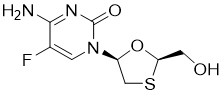
Descovy
06f66e98-e6ee-4538-9506-6c1282cc14c1
34391-3
HUMAN PRESCRIPTION DRUG LABEL
Drug Facts
Composition & Product
Identifiers & Packaging
Indications and Usage
HIV-1 Treatment ( 1.1 ): DESCOVY is a two-drug combination of emtricitabine (FTC) and tenofovir alafenamide (TAF), both HIV nucleoside analog reverse transcriptase inhibitors (NRTIs), and is indicated: in combination with other antiretroviral agents for the treatment of HIV-1 infection in adults and adolescent patients weighing at least 35 kg. for the treatment of HIV-1 infection in pediatric patients weighing at least 14 kg to less than 35 kg in combination with other antiretroviral agents, including darunavir and cobicistat but not other protease inhibitors that require a CYP3A inhibitor. HIV-1 PrEP ( 1.2 ): DESCOVY is indicated in at-risk adults and adolescents weighing at least 35 kg for pre-exposure prophylaxis (PrEP) to reduce the risk of HIV-1 infection from sexual acquisition, excluding individuals at risk from receptive vaginal sex. Individuals must have a negative HIV-1 test immediately prior to initiating DESCOVY for HIV-1 PrEP. Limitations of Use ( 1.2 ): The indication does not include use of DESCOVY in individuals at risk of HIV-1 from receptive vaginal sex because effectiveness in this population has not been evaluated.
Dosage and Administration
Testing: Prior to or when initiating DESCOVY, test for hepatitis B virus infection. Prior to or when initiating DESCOVY, and during use on a clinically appropriate schedule, assess serum creatinine, estimated creatinine clearance, urine glucose, and urine protein in all individuals. In individuals with chronic kidney disease, also assess serum phosphorus. ( 2.1 ) HIV-1 Screening: Screen all individuals for HIV-1 infection immediately prior to initiating DESCOVY for HIV-1 PrEP and at least once every 3 months while taking DESCOVY, and upon diagnosis of any other sexually transmitted infections (STIs). ( 2.2 ) Recommended dosage: Treatment of HIV-1 Infection: Adult and pediatric patients weighing at least 35 kg: One 200 mg/25 mg tablet once daily with or without food. ( 2.3 ) Pediatric patients receiving DESCOVY with other antiretroviral agents, including darunavir and cobicistat but not other protease inhibitors administered with either ritonavir or cobicistat, and weighing: at least 25 to less than 35 kg: One 200 mg/25 mg tablet once daily with or without food. ( 2.4 ) at least 14 to less than 25 kg: One 120 mg/15 mg tablet once daily with or without food. ( 2.4 ) HIV-1 PrEP: One 200 mg/25 mg tablet once daily with or without food in individuals with body weight at least 35 kg. ( 2.5 ) Renal impairment: DESCOVY is not recommended in individuals with estimated creatinine clearance of 15 to below 30 mL per minute, or below 15 mL per minute who are not receiving chronic hemodialysis. ( 2.6 )
Contraindications
DESCOVY for HIV-1 PrEP is contraindicated in individuals with unknown or positive HIV-1 status [see Warnings and Precautions (5.2) ].
Warnings and Precautions
Comprehensive management to reduce the risk of sexually transmitted infections (STIs), including HIV-1, when DESCOVY is used for HIV-1 PrEP: Counsel on adherence to daily dosing and safer sex practices, including condoms, to reduce the risk of STIs. ( 5.2 ) Management to reduce the risk of acquiring HIV-1 drug resistance when DESCOVY is used for HIV-1 PrEP: refer to full prescribing information for additional detail. ( 5.2 ) Immune reconstitution syndrome during treatment of HIV-1 infection: May necessitate further evaluation and treatment. ( 5.3 ) New onset or worsening renal impairment: Assess serum creatinine, estimated creatinine clearance, urine glucose, and urine protein when initiating DESCOVY and during use on a clinically appropriate schedule in all individuals. Also assess serum phosphorus in individuals with chronic kidney disease. ( 5.4 ) Lactic acidosis/severe hepatomegaly with steatosis: Discontinue DESCOVY in individuals who develop symptoms or laboratory findings suggestive of lactic acidosis or pronounced hepatotoxicity. ( 5.5 )
Adverse Reactions
The following adverse reactions are discussed in other sections of the labeling: Severe Acute Exacerbations of Hepatitis B [see Warnings and Precautions (5.1) ] . Immune Reconstitution Syndrome [see Warnings and Precautions (5.3) ] . New Onset or Worsening Renal Impairment [see Warnings and Precautions (5.4) ] . Lactic Acidosis/Severe Hepatomegaly with Steatosis [see Warnings and Precautions (5.5) ].
Drug Interactions
Consult the Full Prescribing Information prior to and during use for potential drug interactions. ( 7 , 12.3 )
How Supplied
DESCOVY tablets are available in bottles and blister packs containing 30 tablets: Bottles 200 mg/25 mg tablets each contain 200 mg of emtricitabine (FTC) and 25 mg of tenofovir alafenamide (TAF). These tablets are blue, rectangular-shaped, and film-coated with “GSI” debossed on one side and “225” on the other side (NDC 61958-2002-1). 120 mg/15 mg tablets each contain 120 mg of FTC and 15 mg of TAF. These tablets are white, round-shaped, and film coated with “GSI” debossed on one side and “15” on the other side (NDC 61958-2005-1). Bottles contain a silica gel desiccant, polyester coil, and child resistant closure. Keep bottle tightly closed. Blister Pack 200 mg/25 mg tablets each contain 200 mg of FTC and 25 mg of TAF. These tablets are blue, rectangular-shaped, and film-coated with “GSI” debossed on one side and “225” on the other side (NDC 61958-2002-2). Blister packs are sealed with a child-resistant laminated foil lidding material (peel-push) and each blister cavity contains a die-cut desiccant film which is heat staked to the foil lidding material.
Storage and Handling
DESCOVY tablets are available in bottles and blister packs containing 30 tablets: Bottles 200 mg/25 mg tablets each contain 200 mg of emtricitabine (FTC) and 25 mg of tenofovir alafenamide (TAF). These tablets are blue, rectangular-shaped, and film-coated with “GSI” debossed on one side and “225” on the other side (NDC 61958-2002-1). 120 mg/15 mg tablets each contain 120 mg of FTC and 15 mg of TAF. These tablets are white, round-shaped, and film coated with “GSI” debossed on one side and “15” on the other side (NDC 61958-2005-1). Bottles contain a silica gel desiccant, polyester coil, and child resistant closure. Keep bottle tightly closed. Blister Pack 200 mg/25 mg tablets each contain 200 mg of FTC and 25 mg of TAF. These tablets are blue, rectangular-shaped, and film-coated with “GSI” debossed on one side and “225” on the other side (NDC 61958-2002-2). Blister packs are sealed with a child-resistant laminated foil lidding material (peel-push) and each blister cavity contains a die-cut desiccant film which is heat staked to the foil lidding material.
Description
Severe acute exacerbations of hepatitis B (HBV) have been reported in individuals with HBV who have discontinued products containing emtricitabine (FTC) and/or tenofovir disoproxil fumarate (TDF) and may occur with discontinuation of DESCOVY. Hepatic function should be monitored closely with both clinical and laboratory follow-up for at least several months in individuals with HBV who discontinue DESCOVY. If appropriate, anti-hepatitis B therapy may be warranted [see Warnings and Precautions (5.1) ] . DESCOVY used for HIV-1 PrEP must only be prescribed to individuals confirmed to be HIV-negative immediately prior to initiating and at least every 3 months during use. Drug-resistant HIV-1 variants have been identified with use of FTC/TDF for HIV-1 PrEP following undetected acute HIV-1 infection. Do not initiate DESCOVY for HIV-1 PrEP if signs or symptoms of acute HIV-1 infection are present unless negative infection status is confirmed [see Warnings and Precautions (5.2) ].
Medication Information
Warnings and Precautions
Comprehensive management to reduce the risk of sexually transmitted infections (STIs), including HIV-1, when DESCOVY is used for HIV-1 PrEP: Counsel on adherence to daily dosing and safer sex practices, including condoms, to reduce the risk of STIs. ( 5.2 ) Management to reduce the risk of acquiring HIV-1 drug resistance when DESCOVY is used for HIV-1 PrEP: refer to full prescribing information for additional detail. ( 5.2 ) Immune reconstitution syndrome during treatment of HIV-1 infection: May necessitate further evaluation and treatment. ( 5.3 ) New onset or worsening renal impairment: Assess serum creatinine, estimated creatinine clearance, urine glucose, and urine protein when initiating DESCOVY and during use on a clinically appropriate schedule in all individuals. Also assess serum phosphorus in individuals with chronic kidney disease. ( 5.4 ) Lactic acidosis/severe hepatomegaly with steatosis: Discontinue DESCOVY in individuals who develop symptoms or laboratory findings suggestive of lactic acidosis or pronounced hepatotoxicity. ( 5.5 )
Indications and Usage
HIV-1 Treatment ( 1.1 ): DESCOVY is a two-drug combination of emtricitabine (FTC) and tenofovir alafenamide (TAF), both HIV nucleoside analog reverse transcriptase inhibitors (NRTIs), and is indicated: in combination with other antiretroviral agents for the treatment of HIV-1 infection in adults and adolescent patients weighing at least 35 kg. for the treatment of HIV-1 infection in pediatric patients weighing at least 14 kg to less than 35 kg in combination with other antiretroviral agents, including darunavir and cobicistat but not other protease inhibitors that require a CYP3A inhibitor. HIV-1 PrEP ( 1.2 ): DESCOVY is indicated in at-risk adults and adolescents weighing at least 35 kg for pre-exposure prophylaxis (PrEP) to reduce the risk of HIV-1 infection from sexual acquisition, excluding individuals at risk from receptive vaginal sex. Individuals must have a negative HIV-1 test immediately prior to initiating DESCOVY for HIV-1 PrEP. Limitations of Use ( 1.2 ): The indication does not include use of DESCOVY in individuals at risk of HIV-1 from receptive vaginal sex because effectiveness in this population has not been evaluated.
Dosage and Administration
Testing: Prior to or when initiating DESCOVY, test for hepatitis B virus infection. Prior to or when initiating DESCOVY, and during use on a clinically appropriate schedule, assess serum creatinine, estimated creatinine clearance, urine glucose, and urine protein in all individuals. In individuals with chronic kidney disease, also assess serum phosphorus. ( 2.1 ) HIV-1 Screening: Screen all individuals for HIV-1 infection immediately prior to initiating DESCOVY for HIV-1 PrEP and at least once every 3 months while taking DESCOVY, and upon diagnosis of any other sexually transmitted infections (STIs). ( 2.2 ) Recommended dosage: Treatment of HIV-1 Infection: Adult and pediatric patients weighing at least 35 kg: One 200 mg/25 mg tablet once daily with or without food. ( 2.3 ) Pediatric patients receiving DESCOVY with other antiretroviral agents, including darunavir and cobicistat but not other protease inhibitors administered with either ritonavir or cobicistat, and weighing: at least 25 to less than 35 kg: One 200 mg/25 mg tablet once daily with or without food. ( 2.4 ) at least 14 to less than 25 kg: One 120 mg/15 mg tablet once daily with or without food. ( 2.4 ) HIV-1 PrEP: One 200 mg/25 mg tablet once daily with or without food in individuals with body weight at least 35 kg. ( 2.5 ) Renal impairment: DESCOVY is not recommended in individuals with estimated creatinine clearance of 15 to below 30 mL per minute, or below 15 mL per minute who are not receiving chronic hemodialysis. ( 2.6 )
Contraindications
DESCOVY for HIV-1 PrEP is contraindicated in individuals with unknown or positive HIV-1 status [see Warnings and Precautions (5.2) ].
Adverse Reactions
The following adverse reactions are discussed in other sections of the labeling: Severe Acute Exacerbations of Hepatitis B [see Warnings and Precautions (5.1) ] . Immune Reconstitution Syndrome [see Warnings and Precautions (5.3) ] . New Onset or Worsening Renal Impairment [see Warnings and Precautions (5.4) ] . Lactic Acidosis/Severe Hepatomegaly with Steatosis [see Warnings and Precautions (5.5) ].
Drug Interactions
Consult the Full Prescribing Information prior to and during use for potential drug interactions. ( 7 , 12.3 )
Storage and Handling
DESCOVY tablets are available in bottles and blister packs containing 30 tablets: Bottles 200 mg/25 mg tablets each contain 200 mg of emtricitabine (FTC) and 25 mg of tenofovir alafenamide (TAF). These tablets are blue, rectangular-shaped, and film-coated with “GSI” debossed on one side and “225” on the other side (NDC 61958-2002-1). 120 mg/15 mg tablets each contain 120 mg of FTC and 15 mg of TAF. These tablets are white, round-shaped, and film coated with “GSI” debossed on one side and “15” on the other side (NDC 61958-2005-1). Bottles contain a silica gel desiccant, polyester coil, and child resistant closure. Keep bottle tightly closed. Blister Pack 200 mg/25 mg tablets each contain 200 mg of FTC and 25 mg of TAF. These tablets are blue, rectangular-shaped, and film-coated with “GSI” debossed on one side and “225” on the other side (NDC 61958-2002-2). Blister packs are sealed with a child-resistant laminated foil lidding material (peel-push) and each blister cavity contains a die-cut desiccant film which is heat staked to the foil lidding material.
How Supplied
DESCOVY tablets are available in bottles and blister packs containing 30 tablets: Bottles 200 mg/25 mg tablets each contain 200 mg of emtricitabine (FTC) and 25 mg of tenofovir alafenamide (TAF). These tablets are blue, rectangular-shaped, and film-coated with “GSI” debossed on one side and “225” on the other side (NDC 61958-2002-1). 120 mg/15 mg tablets each contain 120 mg of FTC and 15 mg of TAF. These tablets are white, round-shaped, and film coated with “GSI” debossed on one side and “15” on the other side (NDC 61958-2005-1). Bottles contain a silica gel desiccant, polyester coil, and child resistant closure. Keep bottle tightly closed. Blister Pack 200 mg/25 mg tablets each contain 200 mg of FTC and 25 mg of TAF. These tablets are blue, rectangular-shaped, and film-coated with “GSI” debossed on one side and “225” on the other side (NDC 61958-2002-2). Blister packs are sealed with a child-resistant laminated foil lidding material (peel-push) and each blister cavity contains a die-cut desiccant film which is heat staked to the foil lidding material.
Description
Severe acute exacerbations of hepatitis B (HBV) have been reported in individuals with HBV who have discontinued products containing emtricitabine (FTC) and/or tenofovir disoproxil fumarate (TDF) and may occur with discontinuation of DESCOVY. Hepatic function should be monitored closely with both clinical and laboratory follow-up for at least several months in individuals with HBV who discontinue DESCOVY. If appropriate, anti-hepatitis B therapy may be warranted [see Warnings and Precautions (5.1) ] . DESCOVY used for HIV-1 PrEP must only be prescribed to individuals confirmed to be HIV-negative immediately prior to initiating and at least every 3 months during use. Drug-resistant HIV-1 variants have been identified with use of FTC/TDF for HIV-1 PrEP following undetected acute HIV-1 infection. Do not initiate DESCOVY for HIV-1 PrEP if signs or symptoms of acute HIV-1 infection are present unless negative infection status is confirmed [see Warnings and Precautions (5.2) ].
Section 42229-5
Limitations of Use:
The indication does not include use of DESCOVY in individuals at risk of HIV-1 from receptive vaginal sex because effectiveness in this population has not been evaluated [see Clinical Studies (14.3)].
Section 42231-1
| This Medication Guide has been approved by the U.S. Food and Drug Administration | Revised: 06/2025 | |||
|
MEDICATION GUIDE DESCOVY® (des-KOH-vee) (emtricitabine and tenofovir alafenamide) tablets |
||||
| This Medication Guide provides information about two different ways that DESCOVY may be used. See the section “What is DESCOVY?” for detailed information about how DESCOVY may be used. | ||||
|
What is the most important information I should know about DESCOVY? DESCOVY can cause serious side effects, including:
For more information about side effects, see the section “What are the possible side effects of DESCOVY?”
|
||||
|
|
|||
While you are taking DESCOVY for HIV-1 PrEP:
|
||||
|
What is DESCOVY?
DESCOVY is a prescription medicine that may be used in two different ways. DESCOVY is used:
DESCOVY contains the prescription medicines emtricitabine and tenofovir alafenamide. It is not known if DESCOVY for treatment of HIV-1 is safe and effective in children who weigh less than 31 pounds (14 kg). It is not known if DESCOVY is safe and effective in reducing the risk of HIV-1 in people who weigh less than 77 pounds (35 kg). |
||||
|
For people taking DESCOVY for HIV-1 PrEP: Do not take DESCOVY for HIV-1 PrEP if:
|
||||
|
What should I tell my healthcare provider before taking DESCOVY? Before taking DESCOVY, tell your healthcare provider about all of your medical conditions, including if you:
Some medicines may interact with DESCOVY. Keep a list of your medicines and show it to your healthcare provider and pharmacist when you get a new medicine.
|
||||
How should I take DESCOVY?
|
||||
|
What are the possible side effects of DESCOVY? DESCOVY may cause serious side effects, including:
The most common side effect of DESCOVY for HIV-1 PrEP is diarrhea. These are not all of the possible side effects of DESCOVY. Call your doctor for medical advice about side effects. You may report side effects to FDA at 1-800-FDA-1088. |
||||
How should I store DESCOVY?
|
||||
|
General information about the safe and effective use of DESCOVY.
Medicines are sometimes prescribed for purposes other than those listed in a Medication Guide. Do not use DESCOVY for a condition for which it was not prescribed. Do not give DESCOVY to other people, even if they have the same symptoms you have. It may harm them. You can ask your healthcare provider or pharmacist for information about DESCOVY that is written for health professionals. |
||||
|
What are the ingredients in DESCOVY? Active ingredients: emtricitabine and tenofovir alafenamide. Inactive ingredients: croscarmellose sodium, magnesium stearate, and microcrystalline cellulose. The 200 mg/25 mg tablets are film-coated with a coating material containing indigo carmine aluminum lake, polyethylene glycol, polyvinyl alcohol, talc, and titanium dioxide. The 120 mg/15 mg tablets are film-coated with a coating material containing polyvinyl alcohol, titanium dioxide, polyethylene glycol, and talc. Manufactured and distributed by: Gilead Sciences, Inc. Foster City, CA 94404 DESCOVY is a trademark of Gilead Sciences, Inc., or its related companies. All other trademarks referenced herein are the property of their respective owners. © 2025 Gilead Sciences, Inc. All rights reserved. 208215-GS-010 For more information, call 1-800-445-3235 or go to www.DESCOVY.com. |
Section 43683-2
Section 44425-7
Store at 25°C (77°F); excursions permitted to 15°C to 30°C (59°F to 86°F) (see USP Controlled Room Temperature).
Dispense only in original container.
10 Overdosage
No data are available on overdose of DESCOVY in patients. If overdose occurs, monitor the individual for evidence of toxicity. Treatment of overdose with DESCOVY consists of general supportive measures including monitoring of vital signs as well as observation of the clinical status of the individual.
11 Description
DESCOVY (emtricitabine and tenofovir alafenamide) is a fixed dose combination tablet containing emtricitabine (FTC) and tenofovir alafenamide (TAF) for oral administration.
- FTC, a synthetic nucleoside analog of cytidine, is an HIV nucleoside analog reverse transcriptase inhibitor (HIV NRTI).
- TAF, an HIV NRTI, is converted in vivo to tenofovir, an acyclic nucleoside phosphonate (nucleotide) analog of adenosine 5′-monophosphate.
DESCOVY tablets are available in two dose strengths:
- 200 mg/25 mg tablets: 200 mg of FTC and 25 mg of TAF (equivalent to 28 mg of tenofovir alafenamide fumarate).
- 120 mg/15 mg tablets: 120 mg of FTC and 15 mg of TAF (equivalent to 16.8 mg of tenofovir alafenamide fumarate).
Both dose strengths of DESCOVY tablets include the following inactive ingredients: croscarmellose sodium, magnesium stearate, and microcrystalline cellulose. The 200 mg/ 25 mg tablets are film-coated with a coating material containing indigo carmine aluminum lake, polyethylene glycol, polyvinyl alcohol, talc, and titanium dioxide. The 120 mg/15 mg tablets are film-coated with a coating material containing polyvinyl alcohol, titanium dioxide, polyethylene glycol, and talc.
8.5 Geriatric Use
In clinical trials of an FTC+TAF-containing regimen for treatment of HIV-1, 80 of the 97 participants enrolled aged 65 years and over received FTC+TAF and EVG+COBI. No differences in safety or efficacy have been observed between elderly participants and adults between 18 and less than 65 years of age.
4 Contraindications
DESCOVY for HIV-1 PrEP is contraindicated in individuals with unknown or positive HIV-1 status [see Warnings and Precautions (5.2)].
6 Adverse Reactions
The following adverse reactions are discussed in other sections of the labeling:
- Severe Acute Exacerbations of Hepatitis B [see Warnings and Precautions (5.1)].
- Immune Reconstitution Syndrome [see Warnings and Precautions (5.3)].
- New Onset or Worsening Renal Impairment [see Warnings and Precautions (5.4)].
- Lactic Acidosis/Severe Hepatomegaly with Steatosis [see Warnings and Precautions (5.5)].
7 Drug Interactions
8.6 Renal Impairment
No dosage adjustment of DESCOVY is recommended in individuals with estimated creatinine clearance greater than or equal to 30 mL per minute, or in adults with ESRD (estimated creatinine clearance below 15 mL per minute) who are receiving chronic hemodialysis. On days of hemodialysis, administer the daily dose of DESCOVY after completion of hemodialysis treatment.
Safety and effectiveness of DESCOVY coadministered with an HIV-1 protease inhibitor that is administered with either ritonavir or cobicistat have not been established in patients with ESRD [see Dosage and Administration (2.3)].
DESCOVY is not recommended in individuals with severe renal impairment (estimated creatinine clearance of 15 to below 30 mL per minute), or in individuals with ESRD who are not receiving chronic hemodialysis, as the safety of DESCOVY has not been established in these populations [see Dosage and Administration (2.6) and Clinical Studies (14.2)].
8.7 Hepatic Impairment
No dosage adjustment of DESCOVY is recommended in individuals with mild (Child-Pugh Class A) or moderate (Child-Pugh Class B) hepatic impairment. DESCOVY has not been studied in individuals with severe hepatic impairment (Child-Pugh Class C) [see Clinical Pharmacology (12.3)].
1 Indications and Usage
HIV-1 Treatment (1.1):
DESCOVY is a two-drug combination of emtricitabine (FTC) and tenofovir alafenamide (TAF), both HIV nucleoside analog reverse transcriptase inhibitors (NRTIs), and is indicated:
- in combination with other antiretroviral agents for the treatment of HIV-1 infection in adults and adolescent patients weighing at least 35 kg.
- for the treatment of HIV-1 infection in pediatric patients weighing at least 14 kg to less than 35 kg in combination with other antiretroviral agents, including darunavir and cobicistat but not other protease inhibitors that require a CYP3A inhibitor.
HIV-1 PrEP (1.2):
DESCOVY is indicated in at-risk adults and adolescents weighing at least 35 kg for pre-exposure prophylaxis (PrEP) to reduce the risk of HIV-1 infection from sexual acquisition, excluding individuals at risk from receptive vaginal sex. Individuals must have a negative HIV-1 test immediately prior to initiating DESCOVY for HIV-1 PrEP.
Limitations of Use (1.2):
The indication does not include use of DESCOVY in individuals at risk of HIV-1 from receptive vaginal sex because effectiveness in this population has not been evaluated.
12.1 Mechanism of Action
DESCOVY is a fixed dose combination of antiretroviral drugs emtricitabine (FTC) and tenofovir alafenamide (TAF) [see Microbiology (12.4)].
5 Warnings and Precautions
- Comprehensive management to reduce the risk of sexually transmitted infections (STIs), including HIV-1, when DESCOVY is used for HIV-1 PrEP: Counsel on adherence to daily dosing and safer sex practices, including condoms, to reduce the risk of STIs. (5.2)
- Management to reduce the risk of acquiring HIV-1 drug resistance when DESCOVY is used for HIV-1 PrEP: refer to full prescribing information for additional detail. (5.2)
- Immune reconstitution syndrome during treatment of HIV-1 infection: May necessitate further evaluation and treatment. (5.3)
- New onset or worsening renal impairment: Assess serum creatinine, estimated creatinine clearance, urine glucose, and urine protein when initiating DESCOVY and during use on a clinically appropriate schedule in all individuals. Also assess serum phosphorus in individuals with chronic kidney disease. (5.4)
- Lactic acidosis/severe hepatomegaly with steatosis: Discontinue DESCOVY in individuals who develop symptoms or laboratory findings suggestive of lactic acidosis or pronounced hepatotoxicity. (5.5)
2 Dosage and Administration
- Testing: Prior to or when initiating DESCOVY, test for hepatitis B virus infection. Prior to or when initiating DESCOVY, and during use on a clinically appropriate schedule, assess serum creatinine, estimated creatinine clearance, urine glucose, and urine protein in all individuals. In individuals with chronic kidney disease, also assess serum phosphorus. (2.1)
- HIV-1 Screening: Screen all individuals for HIV-1 infection immediately prior to initiating DESCOVY for HIV-1 PrEP and at least once every 3 months while taking DESCOVY, and upon diagnosis of any other sexually transmitted infections (STIs). (2.2)
- Recommended dosage:
-
Treatment of HIV-1 Infection:
- Adult and pediatric patients weighing at least 35 kg: One 200 mg/25 mg tablet once daily with or without food. (2.3)
- Pediatric patients receiving DESCOVY with other antiretroviral agents, including darunavir and cobicistat but not other protease inhibitors administered with either ritonavir or cobicistat, and weighing:
- HIV-1 PrEP: One 200 mg/25 mg tablet once daily with or without food in individuals with body weight at least 35 kg. (2.5)
-
Treatment of HIV-1 Infection:
- Renal impairment: DESCOVY is not recommended in individuals with estimated creatinine clearance of 15 to below 30 mL per minute, or below 15 mL per minute who are not receiving chronic hemodialysis. (2.6)
3 Dosage Forms and Strengths
DESCOVY tablets are available in two dose strengths:
- 200 mg/25 mg tablets: 200 mg of emtricitabine (FTC) and 25 mg of tenofovir alafenamide (TAF) (equivalent to 28 mg of tenofovir alafenamide fumarate). These tablets are blue, rectangular-shaped, film-coated, debossed with “GSI” on one side and “225” on the other side.
- 120 mg/15 mg tablets: 120 mg of FTC and 15 mg of TAF (equivalent to 16.8 mg of tenofovir alafenamide fumarate). These tablets are white, round-shaped, film coated, debossed with “GSI” on one side and “15” on the other side.
6.2 Postmarketing Experience
The following adverse reactions have been identified during post-approval use of products containing TAF. Because these reactions are reported voluntarily from a population of uncertain size, it is not always possible to reliably estimate their frequency or establish a causal relationship to drug exposure.
Skin and Subcutaneous Tissue Disorders
Angioedema, urticaria, and rash
Renal and Urinary Disorders
Acute renal failure, acute tubular necrosis, proximal renal tubulopathy, and Fanconi syndrome
8 Use in Specific Populations
6.1 Clinical Trials Experience
Because clinical trials are conducted under widely varying conditions, adverse reaction rates observed in the clinical trials of a drug (or a drug given in various combinations with other concomitant therapy) cannot be directly compared to rates in the clinical trials of another drug (or drug given in the same or different combination therapy) and may not reflect the rates observed in practice.
1.1 Treatment of Hiv 1 Infection
DESCOVY is indicated in combination with other antiretroviral agents for the treatment of HIV-1 infection in adults and adolescent patients weighing at least 35 kg.
DESCOVY is indicated for the treatment of HIV-1 infection in pediatric patients weighing at least 14 kg to less than 35 kg in combination with other antiretroviral agents, including darunavir and cobicistat but not other protease inhibitors that require a CYP3A inhibitor.
14.1 Overview of Clinical Trials
The efficacy and safety of DESCOVY have been evaluated in the trials summarized in Table 17.
| Trial | Population | Study Arms (N) | Timepoint |
|---|---|---|---|
| Study 104 Randomized, double-blind, active-controlled study.
(NCT01780506) Study 111 (NCT01797445) |
Treatment-naïve adults with HIV-1 | FTC+TAF with EVG+COBI Administered as GENVOYA®. (866)FTC+TDF with EVG+COBI Administered as STRIBILD®. (867) |
48 Weeks |
| Study 109 Randomized, open-label, active controlled trial.
(NCT01815736) |
Virologically-suppressed HIV-1 RNA less than 50 copies per mL. adults with HIV-1 |
FTC+TAF with EVG+COBI (799) ATRIPLA® or TRUVADA®+ATV+COBI or ritonavir or FTC+TDF with EVG+COBI (397) |
48 Weeks |
| Study 112 Open label trial.
(NCT01818596) |
Virologically-suppressed adults with HIV-1 and renal impairment Estimated creatinine clearance between 30 and 69 mL per minute by Cockcroft-Gault method.
|
FTC+TAF with EVG+COBI (242) | 24 Weeks |
| Study 1825
(NCT02600819) |
Virologically-suppressed adults with HIV-1 and ESRD End stage renal disease (estimated creatinine clearance of less than 15 mL per minute by Cockcroft-Gault method). receiving chronic hemodialysis |
FTC+TAF with EVG+COBI (55) | 48 Weeks |
| Study 106
(Cohort 1) (NCT01854775) |
Treatment-naïve adolescents with HIV-1 between the ages of 12 to less than 18 years (at least 35 kg) | FTC+TAF with EVG+COBI (50) | 48 Weeks |
| Study 106
(Cohort 2) (NCT01854775) |
Virologically- suppressed children with HIV-1 between the ages of 6 to less than 12 years (at least 25 kg) | FTC+TAF with EVG+COBI (52) | 48 Weeks |
| Study 1474
(Cohort 3) (NCT02881320) |
Virologically- suppressed children with HIV-1 at least 2 years (at least 14 kg and less than 25 kg) | FTC+TAF with bictegravir Administered as BIKTARVY®. (22) |
24 Weeks |
| Study 128
(Cohort 2) (NCT02016924) |
Virologically- suppressed children with HIV-1 between the ages of 6 to less than 12 years (at least 25 kg and less than 40 kg) | DESCOVY with DRV+COBI (9) |
48 Weeks |
| Study 128
(Cohort 3) (NCT02016924) |
Virologically- suppressed children with HIV-1 at least 2 years (at least 14 kg and less than 25 kg) | DESCOVY with DRV+COBI (11) |
48 Weeks |
| DISCOVER
(NCT02842086) |
Men or transgender women without HIV-1 who have sex with men | DESCOVY (2,670) TRUVADA® (2,665) |
4,370 person-years Exposure in the DESCOVY group.
|
17 Patient Counseling Information
Advise the patient to read the FDA-approved patient labeling (Medication Guide).
5.3 Immune Reconstitution Syndrome
Immune reconstitution syndrome has been reported in patients with HIV-1 treated with combination antiretroviral therapy, including FTC, a component of DESCOVY. During the initial phase of combination antiretroviral treatment, patients with HIV-1 whose immune system responds may develop an inflammatory response to indolent or residual opportunistic infections (such as Mycobacterium avium infection, cytomegalovirus, Pneumocystis jirovecii pneumonia [PCP], or tuberculosis), which may necessitate further evaluation and treatment.
Autoimmune disorders (such as Graves’ disease, polymyositis, Guillain-Barré syndrome, and autoimmune hepatitis) have also been reported to occur in the setting of immune reconstitution; however, the time to onset is more variable, and can occur many months after initiation of treatment.
7.2 Drugs Affecting Renal Function
Because FTC and tenofovir are primarily excreted by the kidneys by a combination of glomerular filtration and active tubular secretion, coadministration of DESCOVY with drugs that reduce renal function or compete for active tubular secretion may increase concentrations of FTC, tenofovir, and other renally eliminated drugs and this may increase the risk of adverse reactions. Some examples of drugs that are eliminated by active tubular secretion include, but are not limited to, acyclovir, cidofovir, ganciclovir, valacyclovir, valganciclovir, aminoglycosides (e.g., gentamicin), and high-dose or multiple NSAIDs [see Warnings and Precautions (5.4)].
16 How Supplied/storage and Handling
DESCOVY tablets are available in bottles and blister packs containing 30 tablets:
Bottles
- 200 mg/25 mg tablets each contain 200 mg of emtricitabine (FTC) and 25 mg of tenofovir alafenamide (TAF). These tablets are blue, rectangular-shaped, and film-coated with “GSI” debossed on one side and “225” on the other side (NDC 61958-2002-1).
- 120 mg/15 mg tablets each contain 120 mg of FTC and 15 mg of TAF. These tablets are white, round-shaped, and film coated with “GSI” debossed on one side and “15” on the other side (NDC 61958-2005-1).
Bottles contain a silica gel desiccant, polyester coil, and child resistant closure.
Keep bottle tightly closed.
Blister Pack
- 200 mg/25 mg tablets each contain 200 mg of FTC and 25 mg of TAF. These tablets are blue, rectangular-shaped, and film-coated with “GSI” debossed on one side and “225” on the other side (NDC 61958-2002-2).
Blister packs are sealed with a child-resistant laminated foil lidding material (peel-push) and each blister cavity contains a die-cut desiccant film which is heat staked to the foil lidding material.
1.2 Hiv 1 Pre Exposure Prophylaxis (prep)
DESCOVY is indicated in at-risk adults and adolescents weighing at least 35 kg for pre-exposure prophylaxis (PrEP) to reduce the risk of HIV-1 infection from sexual acquisition, excluding individuals at risk from receptive vaginal sex. Individuals must have a negative HIV-1 test immediately prior to initiating DESCOVY for HIV-1 PrEP [see Dosage and Administration (2.2) and Warnings and Precautions (5.2)].
13.2 Animal Toxicology And/or Pharmacology
Minimal to slight infiltration of mononuclear cells in the posterior uvea was observed in dogs with similar severity after three- and nine-month administration of TAF; reversibility was seen after a three-month recovery period. No eye toxicity was observed in the dog at systemic exposures of 5 (TAF) and 15 (tenofovir) times the exposure seen in humans with the recommended daily TAF dose in DESCOVY.
14.3 Clinical Trial Results for Hiv 1 Prep
The efficacy and safety of DESCOVY to reduce the risk of acquiring HIV-1 infection were evaluated in a randomized, double-blind multinational trial (DISCOVER) in HIV-seronegative men (N=5,262) or transgender women (N=73) who have sex with men and are at risk of HIV-1 infection, comparing once daily DESCOVY (N=2,670) to TRUVADA (FTC/TDF 200 mg/300 mg; N=2,665). Evidence of risk behavior at entry into the trial included at least one of the following: two or more unique condomless anal sex partners in the past 12 weeks or a diagnosis of rectal gonorrhea/chlamydia or syphilis in the past 24 weeks. The median age of participants was 34 years (range, 18-76); 84% were White, 9% Black/Mixed Black, 4% Asian, and 24% Hispanic/Latino. At baseline, 897 participants (17%) reported receiving TRUVADA for PrEP.
At weeks 4, 12, and every 12 weeks thereafter, all participants received local standard of care HIV-1 prevention services, including HIV-1 testing, evaluation of adherence, safety evaluations, risk-reduction counseling, condoms, management of sexually transmitted infections, and assessment of sexual behavior.
Trial participants maintained a high risk of sexual HIV-1 acquisition, with high rates of rectal gonorrhea (DESCOVY, 24%; TRUVADA, 25%), rectal chlamydia (DESCOVY, 30%; TRUVADA, 31%), and syphilis (14% in both treatment groups) during the trial.
The primary outcome was the incidence of documented HIV-1 infection per 100 person-years in participants randomized to DESCOVY and TRUVADA (with a minimum follow-up of 48 weeks and at least 50% of participants having 96 weeks of follow-up). DESCOVY was non-inferior to TRUVADA in reducing the risk of acquiring HIV-1 infection (Table 18). The results were similar across the subgroups of age, race, gender identity, and baseline TRUVADA for PrEP use.
| DESCOVY (N=2,670) |
TRUVADA (N=2,665) |
Rate Ratio (95% CI) |
|
|---|---|---|---|
| 4,370 person-years | 4,386 person-years | ||
| CI = Confidence interval. | |||
| HIV-1 infections, n | 7 | 15 | |
| Rate of HIV-1 infections per 100 person-years | 0.16 | 0.34 | 0.468 (0.19, 1.15) |
Of the 22 participants diagnosed with HIV-1 infection in the trial, five had suspected baseline infection prior to study entry (DESCOVY, 1; TRUVADA, 4). In a case-control substudy of intracellular drug levels and estimated number of daily doses as measured by dried blood spot testing, median intracellular tenofovir diphosphate concentrations were substantially lower in participants infected with HIV-1 at the time of diagnosis compared with uninfected matched control participants. For both DESCOVY and TRUVADA, efficacy was therefore strongly correlated to adherence to daily dosing.
5.4 New Onset Or Worsening Renal Impairment
Postmarketing cases of renal impairment, including acute renal failure, proximal renal tubulopathy (PRT), and Fanconi syndrome have been reported with TAF-containing products; while most of these cases were characterized by potential confounders that may have contributed to the reported renal events, it is also possible these factors may have predisposed patients to tenofovir-related adverse events [see Adverse Reactions (6.1, 6.2)]. DESCOVY is not recommended in individuals with estimated creatinine clearance of 15 to below 30 mL per minute, or in individuals with estimated creatinine clearance below 15 mL per minute who are not receiving chronic hemodialysis.
Individuals taking tenofovir prodrugs who have impaired renal function and those taking nephrotoxic agents including non-steroidal anti-inflammatory drugs are at increased risk of developing renal-related adverse reactions.
Prior to or when initiating DESCOVY, and during treatment with DESCOVY on a clinically appropriate schedule, assess serum creatinine, estimated creatinine clearance, urine glucose, and urine protein in all individuals. In individuals with chronic kidney disease, also assess serum phosphorus. Discontinue DESCOVY in individuals who develop clinically significant decreases in renal function or evidence of Fanconi syndrome.
Principal Display Panel 30 Tablet Blister Pack
NDC 61958-2002-2
30 tablet blister pack
Descovy®
(emtricitabine and
tenofovir alafenamide) tablets
200 mg / 25 mg
Rx only
Note to pharmacist:
Do not cover ALERT box with pharmacy label.
ALERT: Find out about medicines that
should NOT be taken with Descovy
5.5 Lactic Acidosis/severe Hepatomegaly With Steatosis
Lactic acidosis and severe hepatomegaly with steatosis, including fatal cases, have been reported with the use of nucleoside analogs, including emtricitabine, a component of DESCOVY, and tenofovir DF, another prodrug of tenofovir, alone or in combination with other antiretrovirals. Treatment with DESCOVY should be suspended in any individual who develops clinical or laboratory findings suggestive of lactic acidosis or pronounced hepatotoxicity (which may include hepatomegaly and steatosis even in the absence of marked transaminase elevations).
Principal Display Panel 120 Mg/15 Mg Tablet Bottle Label
NDC 61958-2005-1
30 tablets
Descovy®
(emtricitabine and
tenofovir alafenamide)
tablets
120 mg/15 mg
Note to pharmacist:
Do not cover ALERT box with pharmacy label.
ALERT: Find out about medicines that
should NOT be taken with Descovy
Principal Display Panel 200 Mg/25 Mg Tablet Bottle Label
NDC 61958- 2002-1
30 tablets
Descovy ®
(emtricitabine and tenofovir
alafenamide) Tablets
200 mg/25 mg
Note to pharmacist: Do not cover ALERT box with pharmacy label.
ALERT: Find out about medicines that
should NOT be taken with Discovy ®
7.3 Established and Other Potentially Significant Interactions
Table 6 provides a listing of established or potentially clinically significant drug interactions with recommended steps to prevent or manage the drug interaction (the table is not all inclusive). The drug interactions described are based on studies conducted with either DESCOVY, the components of DESCOVY (emtricitabine and tenofovir alafenamide) as individual agents, or are predicted drug interactions that may occur with DESCOVY. For magnitude of interaction, see Clinical Pharmacology (12.3) .
| Concomitant Drug Class: Drug Name | Effect on Concentration ↓=Decrease
|
Clinical Comment |
|---|---|---|
| ↑= Increase | ||
| Antiretroviral Agents: Protease Inhibitors (PI) | ||
| tipranavir/ritonavir | ↓ TAF | Coadministration with DESCOVY is not recommended. |
| atazanavir/cobicistat | ↑ TAF | Coadministration with DESCOVY in pediatric patients weighing 14 to < 35 kg is not recommended [see Use in Specific Populations (8.4)]. |
| Other Agents | ||
|
Anticonvulsants:
carbamazepine oxcarbazepine phenobarbital phenytoin |
↓ TAF | Consider alternative anticonvulsant. |
|
Antimycobacterials:
rifabutin rifampin rifapentine |
↓ TAF | Coadministration of DESCOVY with rifabutin, rifampin, or rifapentine is not recommended. |
|
Herbal Products:
St. John’s wort (Hypericum perforatum) |
↓ TAF | Coadministration of DESCOVY with St. John’s wort is not recommended. |
7.4 Drugs Without Clinically Significant Interactions With Descovy
Based on drug interaction studies conducted with the components of DESCOVY, no clinically significant drug interactions have been either observed or are expected when DESCOVY is combined with the following antiretroviral agents: atazanavir with ritonavir, atazanavir with cobicistat (in those weighing ≥35 kg), darunavir with ritonavir or cobicistat, dolutegravir, efavirenz, ledipasvir, lopinavir/ritonavir, maraviroc, nevirapine, raltegravir, rilpivirine, and sofosbuvir.
No clinically significant drug interactions have been either observed or are expected when DESCOVY is combined with the following drugs: buprenorphine, itraconazole, ketoconazole, lorazepam, methadone, midazolam, naloxone, norbuprenorphine, norgestimate/ethinyl estradiol, and sertraline.
2.2 Hiv 1 Screening for Individuals Receiving Descovy for Hiv 1 Prep
Screen all individuals for HIV-1 infection immediately prior to initiating DESCOVY for HIV-1 PrEP and at least once every 3 months while taking DESCOVY, and upon diagnosis of any other sexually transmitted infections (STIs) [see Indications and Usage (1.2), Contraindications (4), and Warnings and Precautions (5.2)].
If recent (<1 month) exposures to HIV-1 are suspected or clinical symptoms consistent with acute HIV-1 infection are present, use a test approved or cleared by the FDA as an aid in the diagnosis of acute or primary HIV-1 infection [see Warnings and Precautions (5.2), Use in Specific Populations (8.4), and Clinical Studies (14.3)].
5.1 Severe Acute Exacerbation of Hepatitis B in Individuals With Hbv
All individuals should be tested for the presence of hepatitis B virus (HBV) before or when initiating DESCOVY [see Dosage and Administration (2.1)].
Severe acute exacerbations of hepatitis B (e.g., liver decompensation and liver failure) have been reported in individuals with HBV who have discontinued products containing FTC and/or tenofovir disoproxil fumarate (TDF) and may occur with discontinuation of DESCOVY. Individuals with HBV who discontinue DESCOVY should be closely monitored with both clinical and laboratory follow-up for at least several months after stopping treatment. If appropriate, anti-hepatitis B therapy may be warranted, especially in individuals with advanced liver disease or cirrhosis, since post-treatment exacerbation of hepatitis may lead to hepatic decompensation and liver failure. Individuals without HBV should be offered vaccination.
7.1 Potential for Other Drugs to Affect One Or More Components of Descovy
TAF, a component of DESCOVY, is a substrate of P-gp, BCRP, OATP1B1, and OATP1B3. Drugs that strongly affect P-gp and BCRP activity may lead to changes in TAF absorption (see Table 6). Drugs that induce P-gp activity are expected to decrease the absorption of TAF, resulting in decreased plasma concentration of TAF, which may lead to loss of therapeutic effect of DESCOVY and development of resistance. Coadministration of DESCOVY with other drugs that inhibit P-gp and BCRP may increase the absorption and plasma concentration of TAF. TAF is not an inhibitor of CYP1A2, CYP2B6, CYP2C8, CYP2C9, CYP2C19, CYP2D6, or UGT1A1. TAF is a weak inhibitor of CYP3A in vitro. TAF is not an inhibitor or inducer of CYP3A in vivo.
2.5 Recommended Dosage for Hiv 1 Prep in Adults and Adolescents Weighing At Least 35 Kg
The dosage of DESCOVY for HIV-1 PrEP is one tablet (containing 200 mg of FTC and 25 mg of TAF) once daily taken orally with or without food in:
- adults and adolescents without HIV-1 weighing at least 35 kg and with a creatinine clearance greater than or equal to 30 mL per minute; or
- adults without HIV-1 and with creatinine clearance below 15 mL per minute who are receiving chronic hemodialysis. On days of hemodialysis, administer the daily dose of DESCOVY after completion of hemodialysis treatment [see Indications and Usage (1.2) and Clinical Pharmacology (12.3)].
2.1 Testing When Initiating and During Use of Descovy for Treatment of Hiv 1 Infection Or for Hiv 1 Prep
Prior to or when initiating DESCOVY, test individuals for hepatitis B virus infection [see Warnings and Precautions (5.1)].
Prior to or when initiating DESCOVY, and during use of DESCOVY on a clinically appropriate schedule, assess serum creatinine, estimated creatinine clearance, urine glucose, and urine protein in all individuals. In individuals with chronic kidney disease, also assess serum phosphorus [see Warnings and Precautions (5.4)].
2.3 Recommended Dosage for Treatment of Hiv 1 Infection in Adults and Pediatric Patients Weighing At Least 35 Kg
DESCOVY is a two-drug fixed dose combination product containing emtricitabine (FTC) and tenofovir alafenamide (TAF).
The recommended dosage of DESCOVY for treatment of HIV-1 is one tablet containing 200 mg FTC and 25 mg of TAF taken orally once daily with or without food in:
- adults and pediatric patients with body weight at least 35 kg and estimated creatinine clearance greater than or equal to 30 mL per minute; or
- adults with creatinine clearance below 15 mL per minute who are receiving chronic hemodialysis. On days of hemodialysis, administer the daily dose of DESCOVY after completion of hemodialysis treatment [see Use in Specific Populations (8.6) and Clinical Pharmacology (12.3)].
The safety and effectiveness of DESCOVY coadministered with an HIV-1 protease inhibitor that is administered with either ritonavir or cobicistat have not been established in adults with creatinine clearance below 15 mL per minute, with or without hemodialysis.
For specific dosing recommendations for coadministered antiretroviral drugs, refer to their respective prescribing information [see Drug Interactions (7)].
2.6 Not Recommended in Individuals With Severe Renal Impairment for Treatment of Hiv 1 Infection Or for Hiv 1 Prep
DESCOVY is not recommended in individuals with:
- severe renal impairment (estimated creatinine clearance of 15 to below 30 mL per minute); or
- end stage renal disease (ESRD; estimated creatinine clearance below 15 mL per minute) who are not receiving chronic hemodialysis [see Dosage and Administration (2.3 , 2.5) and Use in Specific Populations (8.6)].
2.4 Recommended Dosage for Treatment of Hiv 1 Infection in Pediatric Patients Weighing At Least 14 Kg to Less Than 35 Kg
The recommended dosage of DESCOVY for treatment of HIV-1 in pediatric patients is based on body weight and is provided in Table 1. This dosing information is applicable to pediatric patients with estimated creatinine clearance greater than or equal to 30 mL per minute [see Use in Specific Populations (8.6) and Clinical Pharmacology (12.3)] who are receiving DESCOVY with other antiretroviral agents, including darunavir (DRV) and cobicistat (COBI) but not including other HIV-1 protease inhibitors that are administered with either ritonavir or cobicistat.
| Body Weight (kg) | DESCOVY Dosage |
|---|---|
| 25 kg to less than 35 kg | One tablet containing 200 mg of FTC and 25 mg of TAF taken orally once daily |
| 14 kg to less than 25 kg | One tablet containing 120 mg of FTC and 15 mg of TAF taken orally once daily |
For specific dosing recommendations for coadministered antiretroviral drugs, refer to their respective prescribing information [see Drug Interactions (7)].
5.2 Comprehensive Management to Reduce the Risk of Sexually Transmitted Infections, Including Hiv 1, and Development of Hiv 1 Resistance When Descovy Is Used for Hiv 1 Prep
Use DESCOVY for HIV-1 PrEP to reduce the risk of HIV-1 infection as part of a comprehensive prevention strategy, including adherence to daily administration and safer sex practices, including condoms, to reduce the risk of sexually transmitted infections (STIs). The time from initiation of DESCOVY for HIV-1 PrEP to maximal protection against HIV-1 infection is unknown.
Risk for HIV-1 acquisition includes behavioral, biological, or epidemiologic factors including but not limited to condomless sex, past or current STIs, self-identified HIV risk, having sexual partners of unknown HIV-1 viremic status, or sexual activity in a high prevalence area or network.
Counsel individuals on the use of other prevention measures (e.g., consistent and correct condom use, knowledge of partner(s)’ HIV-1 status, including viral suppression status, regular testing for STIs that can facilitate HIV-1 transmission). Inform individuals without HIV-1 about, and support their efforts in, reducing sexual risk behavior.
Use DESCOVY to reduce the risk of acquiring HIV-1 only in individuals confirmed to be HIV-1 negative. HIV-1 resistance substitutions may emerge in individuals with undetected HIV-1 infection who are taking only DESCOVY, because DESCOVY alone does not constitute a complete regimen for HIV-1 treatment [see Microbiology (12.4)]; therefore, care should be taken to minimize the risk of initiating or continuing DESCOVY before confirming the individual is HIV-1 negative.
- Some HIV-1 tests only detect anti-HIV antibodies and may not identify HIV-1 during the acute stage of infection. Prior to initiating DESCOVY for HIV-1 PrEP, ask seronegative individuals about recent (in past month) potential exposure events (e.g., condomless sex or condom breaking during sex with a partner of unknown HIV-1 status or unknown viremic status, or a recent STI), and evaluate for current or recent signs or symptoms consistent with acute HIV-1 infection (e.g., fever, fatigue, myalgia, skin rash).
- If recent (<1 month) exposures to HIV-1 are suspected or clinical symptoms consistent with acute HIV-1 infection are present, use a test approved or cleared by the FDA as an aid in the diagnosis of acute or primary HIV-1 infection.
While using DESCOVY for HIV-1 PrEP, HIV-1 testing should be repeated at least every 3 months, and upon diagnosis of any other STIs.
- If an HIV-1 test indicates possible HIV-1 infection, or if symptoms consistent with acute HIV-1 infection develop following a potential exposure event, convert the HIV-1 PrEP regimen to an HIV treatment regimen until negative infection status is confirmed using a test approved or cleared by the FDA as an aid in the diagnosis of acute or primary HIV-1 infection.
Counsel individuals without HIV-1 to strictly adhere to the once daily DESCOVY dosing schedule. The effectiveness of DESCOVY in reducing the risk of acquiring HIV-1 is strongly correlated with adherence, as demonstrated by measurable drug levels in a clinical trial of DESCOVY for HIV-1 PrEP. Some individuals, such as adolescents, may benefit from more frequent visits and counseling to support adherence [see Use in Specific Populations (8.4), Microbiology (12.4), and Clinical Studies (14.3)].
Warning: Post Treatment Acute Exacerbation of Hepatitis B and Risk of Drug Resistance With Use of Descovy for Hiv 1 Pre Exposure Prophylaxis (prep) in Undiagnosed Early Hiv 1 Infection
Severe acute exacerbations of hepatitis B (HBV) have been reported in individuals with HBV who have discontinued products containing emtricitabine (FTC) and/or tenofovir disoproxil fumarate (TDF) and may occur with discontinuation of DESCOVY.
Hepatic function should be monitored closely with both clinical and laboratory follow-up for at least several months in individuals with HBV who discontinue DESCOVY. If appropriate, anti-hepatitis B therapy may be warranted [see Warnings and Precautions (5.1)].
DESCOVY used for HIV-1 PrEP must only be prescribed to individuals confirmed to be HIV-negative immediately prior to initiating and at least every 3 months during use. Drug-resistant HIV-1 variants have been identified with use of FTC/TDF for HIV-1 PrEP following undetected acute HIV-1 infection. Do not initiate DESCOVY for HIV-1 PrEP if signs or symptoms of acute HIV-1 infection are present unless negative infection status is confirmed [see Warnings and Precautions (5.2)].
Structured Label Content
Section 42229-5 (42229-5)
Limitations of Use:
The indication does not include use of DESCOVY in individuals at risk of HIV-1 from receptive vaginal sex because effectiveness in this population has not been evaluated [see Clinical Studies (14.3)].
Section 42231-1 (42231-1)
| This Medication Guide has been approved by the U.S. Food and Drug Administration | Revised: 06/2025 | |||
|
MEDICATION GUIDE DESCOVY® (des-KOH-vee) (emtricitabine and tenofovir alafenamide) tablets |
||||
| This Medication Guide provides information about two different ways that DESCOVY may be used. See the section “What is DESCOVY?” for detailed information about how DESCOVY may be used. | ||||
|
What is the most important information I should know about DESCOVY? DESCOVY can cause serious side effects, including:
For more information about side effects, see the section “What are the possible side effects of DESCOVY?”
|
||||
|
|
|||
While you are taking DESCOVY for HIV-1 PrEP:
|
||||
|
What is DESCOVY?
DESCOVY is a prescription medicine that may be used in two different ways. DESCOVY is used:
DESCOVY contains the prescription medicines emtricitabine and tenofovir alafenamide. It is not known if DESCOVY for treatment of HIV-1 is safe and effective in children who weigh less than 31 pounds (14 kg). It is not known if DESCOVY is safe and effective in reducing the risk of HIV-1 in people who weigh less than 77 pounds (35 kg). |
||||
|
For people taking DESCOVY for HIV-1 PrEP: Do not take DESCOVY for HIV-1 PrEP if:
|
||||
|
What should I tell my healthcare provider before taking DESCOVY? Before taking DESCOVY, tell your healthcare provider about all of your medical conditions, including if you:
Some medicines may interact with DESCOVY. Keep a list of your medicines and show it to your healthcare provider and pharmacist when you get a new medicine.
|
||||
How should I take DESCOVY?
|
||||
|
What are the possible side effects of DESCOVY? DESCOVY may cause serious side effects, including:
The most common side effect of DESCOVY for HIV-1 PrEP is diarrhea. These are not all of the possible side effects of DESCOVY. Call your doctor for medical advice about side effects. You may report side effects to FDA at 1-800-FDA-1088. |
||||
How should I store DESCOVY?
|
||||
|
General information about the safe and effective use of DESCOVY.
Medicines are sometimes prescribed for purposes other than those listed in a Medication Guide. Do not use DESCOVY for a condition for which it was not prescribed. Do not give DESCOVY to other people, even if they have the same symptoms you have. It may harm them. You can ask your healthcare provider or pharmacist for information about DESCOVY that is written for health professionals. |
||||
|
What are the ingredients in DESCOVY? Active ingredients: emtricitabine and tenofovir alafenamide. Inactive ingredients: croscarmellose sodium, magnesium stearate, and microcrystalline cellulose. The 200 mg/25 mg tablets are film-coated with a coating material containing indigo carmine aluminum lake, polyethylene glycol, polyvinyl alcohol, talc, and titanium dioxide. The 120 mg/15 mg tablets are film-coated with a coating material containing polyvinyl alcohol, titanium dioxide, polyethylene glycol, and talc. Manufactured and distributed by: Gilead Sciences, Inc. Foster City, CA 94404 DESCOVY is a trademark of Gilead Sciences, Inc., or its related companies. All other trademarks referenced herein are the property of their respective owners. © 2025 Gilead Sciences, Inc. All rights reserved. 208215-GS-010 For more information, call 1-800-445-3235 or go to www.DESCOVY.com. |
Section 43683-2 (43683-2)
Section 44425-7 (44425-7)
Store at 25°C (77°F); excursions permitted to 15°C to 30°C (59°F to 86°F) (see USP Controlled Room Temperature).
Dispense only in original container.
10 Overdosage (10 OVERDOSAGE)
No data are available on overdose of DESCOVY in patients. If overdose occurs, monitor the individual for evidence of toxicity. Treatment of overdose with DESCOVY consists of general supportive measures including monitoring of vital signs as well as observation of the clinical status of the individual.
11 Description (11 DESCRIPTION)
DESCOVY (emtricitabine and tenofovir alafenamide) is a fixed dose combination tablet containing emtricitabine (FTC) and tenofovir alafenamide (TAF) for oral administration.
- FTC, a synthetic nucleoside analog of cytidine, is an HIV nucleoside analog reverse transcriptase inhibitor (HIV NRTI).
- TAF, an HIV NRTI, is converted in vivo to tenofovir, an acyclic nucleoside phosphonate (nucleotide) analog of adenosine 5′-monophosphate.
DESCOVY tablets are available in two dose strengths:
- 200 mg/25 mg tablets: 200 mg of FTC and 25 mg of TAF (equivalent to 28 mg of tenofovir alafenamide fumarate).
- 120 mg/15 mg tablets: 120 mg of FTC and 15 mg of TAF (equivalent to 16.8 mg of tenofovir alafenamide fumarate).
Both dose strengths of DESCOVY tablets include the following inactive ingredients: croscarmellose sodium, magnesium stearate, and microcrystalline cellulose. The 200 mg/ 25 mg tablets are film-coated with a coating material containing indigo carmine aluminum lake, polyethylene glycol, polyvinyl alcohol, talc, and titanium dioxide. The 120 mg/15 mg tablets are film-coated with a coating material containing polyvinyl alcohol, titanium dioxide, polyethylene glycol, and talc.
8.5 Geriatric Use
In clinical trials of an FTC+TAF-containing regimen for treatment of HIV-1, 80 of the 97 participants enrolled aged 65 years and over received FTC+TAF and EVG+COBI. No differences in safety or efficacy have been observed between elderly participants and adults between 18 and less than 65 years of age.
4 Contraindications (4 CONTRAINDICATIONS)
DESCOVY for HIV-1 PrEP is contraindicated in individuals with unknown or positive HIV-1 status [see Warnings and Precautions (5.2)].
6 Adverse Reactions (6 ADVERSE REACTIONS)
The following adverse reactions are discussed in other sections of the labeling:
- Severe Acute Exacerbations of Hepatitis B [see Warnings and Precautions (5.1)].
- Immune Reconstitution Syndrome [see Warnings and Precautions (5.3)].
- New Onset or Worsening Renal Impairment [see Warnings and Precautions (5.4)].
- Lactic Acidosis/Severe Hepatomegaly with Steatosis [see Warnings and Precautions (5.5)].
7 Drug Interactions (7 DRUG INTERACTIONS)
8.6 Renal Impairment
No dosage adjustment of DESCOVY is recommended in individuals with estimated creatinine clearance greater than or equal to 30 mL per minute, or in adults with ESRD (estimated creatinine clearance below 15 mL per minute) who are receiving chronic hemodialysis. On days of hemodialysis, administer the daily dose of DESCOVY after completion of hemodialysis treatment.
Safety and effectiveness of DESCOVY coadministered with an HIV-1 protease inhibitor that is administered with either ritonavir or cobicistat have not been established in patients with ESRD [see Dosage and Administration (2.3)].
DESCOVY is not recommended in individuals with severe renal impairment (estimated creatinine clearance of 15 to below 30 mL per minute), or in individuals with ESRD who are not receiving chronic hemodialysis, as the safety of DESCOVY has not been established in these populations [see Dosage and Administration (2.6) and Clinical Studies (14.2)].
8.7 Hepatic Impairment
No dosage adjustment of DESCOVY is recommended in individuals with mild (Child-Pugh Class A) or moderate (Child-Pugh Class B) hepatic impairment. DESCOVY has not been studied in individuals with severe hepatic impairment (Child-Pugh Class C) [see Clinical Pharmacology (12.3)].
1 Indications and Usage (1 INDICATIONS AND USAGE)
HIV-1 Treatment (1.1):
DESCOVY is a two-drug combination of emtricitabine (FTC) and tenofovir alafenamide (TAF), both HIV nucleoside analog reverse transcriptase inhibitors (NRTIs), and is indicated:
- in combination with other antiretroviral agents for the treatment of HIV-1 infection in adults and adolescent patients weighing at least 35 kg.
- for the treatment of HIV-1 infection in pediatric patients weighing at least 14 kg to less than 35 kg in combination with other antiretroviral agents, including darunavir and cobicistat but not other protease inhibitors that require a CYP3A inhibitor.
HIV-1 PrEP (1.2):
DESCOVY is indicated in at-risk adults and adolescents weighing at least 35 kg for pre-exposure prophylaxis (PrEP) to reduce the risk of HIV-1 infection from sexual acquisition, excluding individuals at risk from receptive vaginal sex. Individuals must have a negative HIV-1 test immediately prior to initiating DESCOVY for HIV-1 PrEP.
Limitations of Use (1.2):
The indication does not include use of DESCOVY in individuals at risk of HIV-1 from receptive vaginal sex because effectiveness in this population has not been evaluated.
12.1 Mechanism of Action
DESCOVY is a fixed dose combination of antiretroviral drugs emtricitabine (FTC) and tenofovir alafenamide (TAF) [see Microbiology (12.4)].
5 Warnings and Precautions (5 WARNINGS AND PRECAUTIONS)
- Comprehensive management to reduce the risk of sexually transmitted infections (STIs), including HIV-1, when DESCOVY is used for HIV-1 PrEP: Counsel on adherence to daily dosing and safer sex practices, including condoms, to reduce the risk of STIs. (5.2)
- Management to reduce the risk of acquiring HIV-1 drug resistance when DESCOVY is used for HIV-1 PrEP: refer to full prescribing information for additional detail. (5.2)
- Immune reconstitution syndrome during treatment of HIV-1 infection: May necessitate further evaluation and treatment. (5.3)
- New onset or worsening renal impairment: Assess serum creatinine, estimated creatinine clearance, urine glucose, and urine protein when initiating DESCOVY and during use on a clinically appropriate schedule in all individuals. Also assess serum phosphorus in individuals with chronic kidney disease. (5.4)
- Lactic acidosis/severe hepatomegaly with steatosis: Discontinue DESCOVY in individuals who develop symptoms or laboratory findings suggestive of lactic acidosis or pronounced hepatotoxicity. (5.5)
2 Dosage and Administration (2 DOSAGE AND ADMINISTRATION)
- Testing: Prior to or when initiating DESCOVY, test for hepatitis B virus infection. Prior to or when initiating DESCOVY, and during use on a clinically appropriate schedule, assess serum creatinine, estimated creatinine clearance, urine glucose, and urine protein in all individuals. In individuals with chronic kidney disease, also assess serum phosphorus. (2.1)
- HIV-1 Screening: Screen all individuals for HIV-1 infection immediately prior to initiating DESCOVY for HIV-1 PrEP and at least once every 3 months while taking DESCOVY, and upon diagnosis of any other sexually transmitted infections (STIs). (2.2)
- Recommended dosage:
-
Treatment of HIV-1 Infection:
- Adult and pediatric patients weighing at least 35 kg: One 200 mg/25 mg tablet once daily with or without food. (2.3)
- Pediatric patients receiving DESCOVY with other antiretroviral agents, including darunavir and cobicistat but not other protease inhibitors administered with either ritonavir or cobicistat, and weighing:
- HIV-1 PrEP: One 200 mg/25 mg tablet once daily with or without food in individuals with body weight at least 35 kg. (2.5)
-
Treatment of HIV-1 Infection:
- Renal impairment: DESCOVY is not recommended in individuals with estimated creatinine clearance of 15 to below 30 mL per minute, or below 15 mL per minute who are not receiving chronic hemodialysis. (2.6)
3 Dosage Forms and Strengths (3 DOSAGE FORMS AND STRENGTHS)
DESCOVY tablets are available in two dose strengths:
- 200 mg/25 mg tablets: 200 mg of emtricitabine (FTC) and 25 mg of tenofovir alafenamide (TAF) (equivalent to 28 mg of tenofovir alafenamide fumarate). These tablets are blue, rectangular-shaped, film-coated, debossed with “GSI” on one side and “225” on the other side.
- 120 mg/15 mg tablets: 120 mg of FTC and 15 mg of TAF (equivalent to 16.8 mg of tenofovir alafenamide fumarate). These tablets are white, round-shaped, film coated, debossed with “GSI” on one side and “15” on the other side.
6.2 Postmarketing Experience
The following adverse reactions have been identified during post-approval use of products containing TAF. Because these reactions are reported voluntarily from a population of uncertain size, it is not always possible to reliably estimate their frequency or establish a causal relationship to drug exposure.
Skin and Subcutaneous Tissue Disorders
Angioedema, urticaria, and rash
Renal and Urinary Disorders
Acute renal failure, acute tubular necrosis, proximal renal tubulopathy, and Fanconi syndrome
8 Use in Specific Populations (8 USE IN SPECIFIC POPULATIONS)
6.1 Clinical Trials Experience
Because clinical trials are conducted under widely varying conditions, adverse reaction rates observed in the clinical trials of a drug (or a drug given in various combinations with other concomitant therapy) cannot be directly compared to rates in the clinical trials of another drug (or drug given in the same or different combination therapy) and may not reflect the rates observed in practice.
1.1 Treatment of Hiv 1 Infection (1.1 Treatment of HIV-1 Infection)
DESCOVY is indicated in combination with other antiretroviral agents for the treatment of HIV-1 infection in adults and adolescent patients weighing at least 35 kg.
DESCOVY is indicated for the treatment of HIV-1 infection in pediatric patients weighing at least 14 kg to less than 35 kg in combination with other antiretroviral agents, including darunavir and cobicistat but not other protease inhibitors that require a CYP3A inhibitor.
14.1 Overview of Clinical Trials
The efficacy and safety of DESCOVY have been evaluated in the trials summarized in Table 17.
| Trial | Population | Study Arms (N) | Timepoint |
|---|---|---|---|
| Study 104 Randomized, double-blind, active-controlled study.
(NCT01780506) Study 111 (NCT01797445) |
Treatment-naïve adults with HIV-1 | FTC+TAF with EVG+COBI Administered as GENVOYA®. (866)FTC+TDF with EVG+COBI Administered as STRIBILD®. (867) |
48 Weeks |
| Study 109 Randomized, open-label, active controlled trial.
(NCT01815736) |
Virologically-suppressed HIV-1 RNA less than 50 copies per mL. adults with HIV-1 |
FTC+TAF with EVG+COBI (799) ATRIPLA® or TRUVADA®+ATV+COBI or ritonavir or FTC+TDF with EVG+COBI (397) |
48 Weeks |
| Study 112 Open label trial.
(NCT01818596) |
Virologically-suppressed adults with HIV-1 and renal impairment Estimated creatinine clearance between 30 and 69 mL per minute by Cockcroft-Gault method.
|
FTC+TAF with EVG+COBI (242) | 24 Weeks |
| Study 1825
(NCT02600819) |
Virologically-suppressed adults with HIV-1 and ESRD End stage renal disease (estimated creatinine clearance of less than 15 mL per minute by Cockcroft-Gault method). receiving chronic hemodialysis |
FTC+TAF with EVG+COBI (55) | 48 Weeks |
| Study 106
(Cohort 1) (NCT01854775) |
Treatment-naïve adolescents with HIV-1 between the ages of 12 to less than 18 years (at least 35 kg) | FTC+TAF with EVG+COBI (50) | 48 Weeks |
| Study 106
(Cohort 2) (NCT01854775) |
Virologically- suppressed children with HIV-1 between the ages of 6 to less than 12 years (at least 25 kg) | FTC+TAF with EVG+COBI (52) | 48 Weeks |
| Study 1474
(Cohort 3) (NCT02881320) |
Virologically- suppressed children with HIV-1 at least 2 years (at least 14 kg and less than 25 kg) | FTC+TAF with bictegravir Administered as BIKTARVY®. (22) |
24 Weeks |
| Study 128
(Cohort 2) (NCT02016924) |
Virologically- suppressed children with HIV-1 between the ages of 6 to less than 12 years (at least 25 kg and less than 40 kg) | DESCOVY with DRV+COBI (9) |
48 Weeks |
| Study 128
(Cohort 3) (NCT02016924) |
Virologically- suppressed children with HIV-1 at least 2 years (at least 14 kg and less than 25 kg) | DESCOVY with DRV+COBI (11) |
48 Weeks |
| DISCOVER
(NCT02842086) |
Men or transgender women without HIV-1 who have sex with men | DESCOVY (2,670) TRUVADA® (2,665) |
4,370 person-years Exposure in the DESCOVY group.
|
17 Patient Counseling Information (17 PATIENT COUNSELING INFORMATION)
Advise the patient to read the FDA-approved patient labeling (Medication Guide).
5.3 Immune Reconstitution Syndrome
Immune reconstitution syndrome has been reported in patients with HIV-1 treated with combination antiretroviral therapy, including FTC, a component of DESCOVY. During the initial phase of combination antiretroviral treatment, patients with HIV-1 whose immune system responds may develop an inflammatory response to indolent or residual opportunistic infections (such as Mycobacterium avium infection, cytomegalovirus, Pneumocystis jirovecii pneumonia [PCP], or tuberculosis), which may necessitate further evaluation and treatment.
Autoimmune disorders (such as Graves’ disease, polymyositis, Guillain-Barré syndrome, and autoimmune hepatitis) have also been reported to occur in the setting of immune reconstitution; however, the time to onset is more variable, and can occur many months after initiation of treatment.
7.2 Drugs Affecting Renal Function
Because FTC and tenofovir are primarily excreted by the kidneys by a combination of glomerular filtration and active tubular secretion, coadministration of DESCOVY with drugs that reduce renal function or compete for active tubular secretion may increase concentrations of FTC, tenofovir, and other renally eliminated drugs and this may increase the risk of adverse reactions. Some examples of drugs that are eliminated by active tubular secretion include, but are not limited to, acyclovir, cidofovir, ganciclovir, valacyclovir, valganciclovir, aminoglycosides (e.g., gentamicin), and high-dose or multiple NSAIDs [see Warnings and Precautions (5.4)].
16 How Supplied/storage and Handling (16 HOW SUPPLIED/STORAGE AND HANDLING)
DESCOVY tablets are available in bottles and blister packs containing 30 tablets:
Bottles
- 200 mg/25 mg tablets each contain 200 mg of emtricitabine (FTC) and 25 mg of tenofovir alafenamide (TAF). These tablets are blue, rectangular-shaped, and film-coated with “GSI” debossed on one side and “225” on the other side (NDC 61958-2002-1).
- 120 mg/15 mg tablets each contain 120 mg of FTC and 15 mg of TAF. These tablets are white, round-shaped, and film coated with “GSI” debossed on one side and “15” on the other side (NDC 61958-2005-1).
Bottles contain a silica gel desiccant, polyester coil, and child resistant closure.
Keep bottle tightly closed.
Blister Pack
- 200 mg/25 mg tablets each contain 200 mg of FTC and 25 mg of TAF. These tablets are blue, rectangular-shaped, and film-coated with “GSI” debossed on one side and “225” on the other side (NDC 61958-2002-2).
Blister packs are sealed with a child-resistant laminated foil lidding material (peel-push) and each blister cavity contains a die-cut desiccant film which is heat staked to the foil lidding material.
1.2 Hiv 1 Pre Exposure Prophylaxis (prep) (1.2 HIV-1 Pre-Exposure Prophylaxis (PrEP))
DESCOVY is indicated in at-risk adults and adolescents weighing at least 35 kg for pre-exposure prophylaxis (PrEP) to reduce the risk of HIV-1 infection from sexual acquisition, excluding individuals at risk from receptive vaginal sex. Individuals must have a negative HIV-1 test immediately prior to initiating DESCOVY for HIV-1 PrEP [see Dosage and Administration (2.2) and Warnings and Precautions (5.2)].
13.2 Animal Toxicology And/or Pharmacology (13.2 Animal Toxicology and/or Pharmacology)
Minimal to slight infiltration of mononuclear cells in the posterior uvea was observed in dogs with similar severity after three- and nine-month administration of TAF; reversibility was seen after a three-month recovery period. No eye toxicity was observed in the dog at systemic exposures of 5 (TAF) and 15 (tenofovir) times the exposure seen in humans with the recommended daily TAF dose in DESCOVY.
14.3 Clinical Trial Results for Hiv 1 Prep (14.3 Clinical Trial Results for HIV-1 PrEP)
The efficacy and safety of DESCOVY to reduce the risk of acquiring HIV-1 infection were evaluated in a randomized, double-blind multinational trial (DISCOVER) in HIV-seronegative men (N=5,262) or transgender women (N=73) who have sex with men and are at risk of HIV-1 infection, comparing once daily DESCOVY (N=2,670) to TRUVADA (FTC/TDF 200 mg/300 mg; N=2,665). Evidence of risk behavior at entry into the trial included at least one of the following: two or more unique condomless anal sex partners in the past 12 weeks or a diagnosis of rectal gonorrhea/chlamydia or syphilis in the past 24 weeks. The median age of participants was 34 years (range, 18-76); 84% were White, 9% Black/Mixed Black, 4% Asian, and 24% Hispanic/Latino. At baseline, 897 participants (17%) reported receiving TRUVADA for PrEP.
At weeks 4, 12, and every 12 weeks thereafter, all participants received local standard of care HIV-1 prevention services, including HIV-1 testing, evaluation of adherence, safety evaluations, risk-reduction counseling, condoms, management of sexually transmitted infections, and assessment of sexual behavior.
Trial participants maintained a high risk of sexual HIV-1 acquisition, with high rates of rectal gonorrhea (DESCOVY, 24%; TRUVADA, 25%), rectal chlamydia (DESCOVY, 30%; TRUVADA, 31%), and syphilis (14% in both treatment groups) during the trial.
The primary outcome was the incidence of documented HIV-1 infection per 100 person-years in participants randomized to DESCOVY and TRUVADA (with a minimum follow-up of 48 weeks and at least 50% of participants having 96 weeks of follow-up). DESCOVY was non-inferior to TRUVADA in reducing the risk of acquiring HIV-1 infection (Table 18). The results were similar across the subgroups of age, race, gender identity, and baseline TRUVADA for PrEP use.
| DESCOVY (N=2,670) |
TRUVADA (N=2,665) |
Rate Ratio (95% CI) |
|
|---|---|---|---|
| 4,370 person-years | 4,386 person-years | ||
| CI = Confidence interval. | |||
| HIV-1 infections, n | 7 | 15 | |
| Rate of HIV-1 infections per 100 person-years | 0.16 | 0.34 | 0.468 (0.19, 1.15) |
Of the 22 participants diagnosed with HIV-1 infection in the trial, five had suspected baseline infection prior to study entry (DESCOVY, 1; TRUVADA, 4). In a case-control substudy of intracellular drug levels and estimated number of daily doses as measured by dried blood spot testing, median intracellular tenofovir diphosphate concentrations were substantially lower in participants infected with HIV-1 at the time of diagnosis compared with uninfected matched control participants. For both DESCOVY and TRUVADA, efficacy was therefore strongly correlated to adherence to daily dosing.
5.4 New Onset Or Worsening Renal Impairment (5.4 New Onset or Worsening Renal Impairment)
Postmarketing cases of renal impairment, including acute renal failure, proximal renal tubulopathy (PRT), and Fanconi syndrome have been reported with TAF-containing products; while most of these cases were characterized by potential confounders that may have contributed to the reported renal events, it is also possible these factors may have predisposed patients to tenofovir-related adverse events [see Adverse Reactions (6.1, 6.2)]. DESCOVY is not recommended in individuals with estimated creatinine clearance of 15 to below 30 mL per minute, or in individuals with estimated creatinine clearance below 15 mL per minute who are not receiving chronic hemodialysis.
Individuals taking tenofovir prodrugs who have impaired renal function and those taking nephrotoxic agents including non-steroidal anti-inflammatory drugs are at increased risk of developing renal-related adverse reactions.
Prior to or when initiating DESCOVY, and during treatment with DESCOVY on a clinically appropriate schedule, assess serum creatinine, estimated creatinine clearance, urine glucose, and urine protein in all individuals. In individuals with chronic kidney disease, also assess serum phosphorus. Discontinue DESCOVY in individuals who develop clinically significant decreases in renal function or evidence of Fanconi syndrome.
Principal Display Panel 30 Tablet Blister Pack (PRINCIPAL DISPLAY PANEL - 30 Tablet Blister Pack)
NDC 61958-2002-2
30 tablet blister pack
Descovy®
(emtricitabine and
tenofovir alafenamide) tablets
200 mg / 25 mg
Rx only
Note to pharmacist:
Do not cover ALERT box with pharmacy label.
ALERT: Find out about medicines that
should NOT be taken with Descovy
5.5 Lactic Acidosis/severe Hepatomegaly With Steatosis (5.5 Lactic Acidosis/Severe Hepatomegaly with Steatosis)
Lactic acidosis and severe hepatomegaly with steatosis, including fatal cases, have been reported with the use of nucleoside analogs, including emtricitabine, a component of DESCOVY, and tenofovir DF, another prodrug of tenofovir, alone or in combination with other antiretrovirals. Treatment with DESCOVY should be suspended in any individual who develops clinical or laboratory findings suggestive of lactic acidosis or pronounced hepatotoxicity (which may include hepatomegaly and steatosis even in the absence of marked transaminase elevations).
Principal Display Panel 120 Mg/15 Mg Tablet Bottle Label (PRINCIPAL DISPLAY PANEL - 120 mg/15 mg Tablet Bottle Label)
NDC 61958-2005-1
30 tablets
Descovy®
(emtricitabine and
tenofovir alafenamide)
tablets
120 mg/15 mg
Note to pharmacist:
Do not cover ALERT box with pharmacy label.
ALERT: Find out about medicines that
should NOT be taken with Descovy
Principal Display Panel 200 Mg/25 Mg Tablet Bottle Label (PRINCIPAL DISPLAY PANEL - 200 mg/25 mg Tablet Bottle Label)
NDC 61958- 2002-1
30 tablets
Descovy ®
(emtricitabine and tenofovir
alafenamide) Tablets
200 mg/25 mg
Note to pharmacist: Do not cover ALERT box with pharmacy label.
ALERT: Find out about medicines that
should NOT be taken with Discovy ®
7.3 Established and Other Potentially Significant Interactions
Table 6 provides a listing of established or potentially clinically significant drug interactions with recommended steps to prevent or manage the drug interaction (the table is not all inclusive). The drug interactions described are based on studies conducted with either DESCOVY, the components of DESCOVY (emtricitabine and tenofovir alafenamide) as individual agents, or are predicted drug interactions that may occur with DESCOVY. For magnitude of interaction, see Clinical Pharmacology (12.3) .
| Concomitant Drug Class: Drug Name | Effect on Concentration ↓=Decrease
|
Clinical Comment |
|---|---|---|
| ↑= Increase | ||
| Antiretroviral Agents: Protease Inhibitors (PI) | ||
| tipranavir/ritonavir | ↓ TAF | Coadministration with DESCOVY is not recommended. |
| atazanavir/cobicistat | ↑ TAF | Coadministration with DESCOVY in pediatric patients weighing 14 to < 35 kg is not recommended [see Use in Specific Populations (8.4)]. |
| Other Agents | ||
|
Anticonvulsants:
carbamazepine oxcarbazepine phenobarbital phenytoin |
↓ TAF | Consider alternative anticonvulsant. |
|
Antimycobacterials:
rifabutin rifampin rifapentine |
↓ TAF | Coadministration of DESCOVY with rifabutin, rifampin, or rifapentine is not recommended. |
|
Herbal Products:
St. John’s wort (Hypericum perforatum) |
↓ TAF | Coadministration of DESCOVY with St. John’s wort is not recommended. |
7.4 Drugs Without Clinically Significant Interactions With Descovy (7.4 Drugs without Clinically Significant Interactions with DESCOVY)
Based on drug interaction studies conducted with the components of DESCOVY, no clinically significant drug interactions have been either observed or are expected when DESCOVY is combined with the following antiretroviral agents: atazanavir with ritonavir, atazanavir with cobicistat (in those weighing ≥35 kg), darunavir with ritonavir or cobicistat, dolutegravir, efavirenz, ledipasvir, lopinavir/ritonavir, maraviroc, nevirapine, raltegravir, rilpivirine, and sofosbuvir.
No clinically significant drug interactions have been either observed or are expected when DESCOVY is combined with the following drugs: buprenorphine, itraconazole, ketoconazole, lorazepam, methadone, midazolam, naloxone, norbuprenorphine, norgestimate/ethinyl estradiol, and sertraline.
2.2 Hiv 1 Screening for Individuals Receiving Descovy for Hiv 1 Prep (2.2 HIV-1 Screening for Individuals Receiving DESCOVY for HIV-1 PrEP)
Screen all individuals for HIV-1 infection immediately prior to initiating DESCOVY for HIV-1 PrEP and at least once every 3 months while taking DESCOVY, and upon diagnosis of any other sexually transmitted infections (STIs) [see Indications and Usage (1.2), Contraindications (4), and Warnings and Precautions (5.2)].
If recent (<1 month) exposures to HIV-1 are suspected or clinical symptoms consistent with acute HIV-1 infection are present, use a test approved or cleared by the FDA as an aid in the diagnosis of acute or primary HIV-1 infection [see Warnings and Precautions (5.2), Use in Specific Populations (8.4), and Clinical Studies (14.3)].
5.1 Severe Acute Exacerbation of Hepatitis B in Individuals With Hbv (5.1 Severe Acute Exacerbation of Hepatitis B in Individuals with HBV)
All individuals should be tested for the presence of hepatitis B virus (HBV) before or when initiating DESCOVY [see Dosage and Administration (2.1)].
Severe acute exacerbations of hepatitis B (e.g., liver decompensation and liver failure) have been reported in individuals with HBV who have discontinued products containing FTC and/or tenofovir disoproxil fumarate (TDF) and may occur with discontinuation of DESCOVY. Individuals with HBV who discontinue DESCOVY should be closely monitored with both clinical and laboratory follow-up for at least several months after stopping treatment. If appropriate, anti-hepatitis B therapy may be warranted, especially in individuals with advanced liver disease or cirrhosis, since post-treatment exacerbation of hepatitis may lead to hepatic decompensation and liver failure. Individuals without HBV should be offered vaccination.
7.1 Potential for Other Drugs to Affect One Or More Components of Descovy (7.1 Potential for Other Drugs to Affect One or More Components of DESCOVY)
TAF, a component of DESCOVY, is a substrate of P-gp, BCRP, OATP1B1, and OATP1B3. Drugs that strongly affect P-gp and BCRP activity may lead to changes in TAF absorption (see Table 6). Drugs that induce P-gp activity are expected to decrease the absorption of TAF, resulting in decreased plasma concentration of TAF, which may lead to loss of therapeutic effect of DESCOVY and development of resistance. Coadministration of DESCOVY with other drugs that inhibit P-gp and BCRP may increase the absorption and plasma concentration of TAF. TAF is not an inhibitor of CYP1A2, CYP2B6, CYP2C8, CYP2C9, CYP2C19, CYP2D6, or UGT1A1. TAF is a weak inhibitor of CYP3A in vitro. TAF is not an inhibitor or inducer of CYP3A in vivo.
2.5 Recommended Dosage for Hiv 1 Prep in Adults and Adolescents Weighing At Least 35 Kg (2.5 Recommended Dosage for HIV-1 PrEP in Adults and Adolescents Weighing at Least 35 kg)
The dosage of DESCOVY for HIV-1 PrEP is one tablet (containing 200 mg of FTC and 25 mg of TAF) once daily taken orally with or without food in:
- adults and adolescents without HIV-1 weighing at least 35 kg and with a creatinine clearance greater than or equal to 30 mL per minute; or
- adults without HIV-1 and with creatinine clearance below 15 mL per minute who are receiving chronic hemodialysis. On days of hemodialysis, administer the daily dose of DESCOVY after completion of hemodialysis treatment [see Indications and Usage (1.2) and Clinical Pharmacology (12.3)].
2.1 Testing When Initiating and During Use of Descovy for Treatment of Hiv 1 Infection Or for Hiv 1 Prep (2.1 Testing When Initiating and During Use of DESCOVY for Treatment of HIV-1 Infection or for HIV-1 PrEP)
Prior to or when initiating DESCOVY, test individuals for hepatitis B virus infection [see Warnings and Precautions (5.1)].
Prior to or when initiating DESCOVY, and during use of DESCOVY on a clinically appropriate schedule, assess serum creatinine, estimated creatinine clearance, urine glucose, and urine protein in all individuals. In individuals with chronic kidney disease, also assess serum phosphorus [see Warnings and Precautions (5.4)].
2.3 Recommended Dosage for Treatment of Hiv 1 Infection in Adults and Pediatric Patients Weighing At Least 35 Kg (2.3 Recommended Dosage for Treatment of HIV-1 Infection in Adults and Pediatric Patients Weighing at Least 35 kg)
DESCOVY is a two-drug fixed dose combination product containing emtricitabine (FTC) and tenofovir alafenamide (TAF).
The recommended dosage of DESCOVY for treatment of HIV-1 is one tablet containing 200 mg FTC and 25 mg of TAF taken orally once daily with or without food in:
- adults and pediatric patients with body weight at least 35 kg and estimated creatinine clearance greater than or equal to 30 mL per minute; or
- adults with creatinine clearance below 15 mL per minute who are receiving chronic hemodialysis. On days of hemodialysis, administer the daily dose of DESCOVY after completion of hemodialysis treatment [see Use in Specific Populations (8.6) and Clinical Pharmacology (12.3)].
The safety and effectiveness of DESCOVY coadministered with an HIV-1 protease inhibitor that is administered with either ritonavir or cobicistat have not been established in adults with creatinine clearance below 15 mL per minute, with or without hemodialysis.
For specific dosing recommendations for coadministered antiretroviral drugs, refer to their respective prescribing information [see Drug Interactions (7)].
2.6 Not Recommended in Individuals With Severe Renal Impairment for Treatment of Hiv 1 Infection Or for Hiv 1 Prep (2.6 Not Recommended in Individuals with Severe Renal Impairment for Treatment of HIV-1 Infection or for HIV-1 PrEP)
DESCOVY is not recommended in individuals with:
- severe renal impairment (estimated creatinine clearance of 15 to below 30 mL per minute); or
- end stage renal disease (ESRD; estimated creatinine clearance below 15 mL per minute) who are not receiving chronic hemodialysis [see Dosage and Administration (2.3 , 2.5) and Use in Specific Populations (8.6)].
2.4 Recommended Dosage for Treatment of Hiv 1 Infection in Pediatric Patients Weighing At Least 14 Kg to Less Than 35 Kg (2.4 Recommended Dosage for Treatment of HIV-1 Infection in Pediatric Patients Weighing at Least 14 kg to Less than 35 kg)
The recommended dosage of DESCOVY for treatment of HIV-1 in pediatric patients is based on body weight and is provided in Table 1. This dosing information is applicable to pediatric patients with estimated creatinine clearance greater than or equal to 30 mL per minute [see Use in Specific Populations (8.6) and Clinical Pharmacology (12.3)] who are receiving DESCOVY with other antiretroviral agents, including darunavir (DRV) and cobicistat (COBI) but not including other HIV-1 protease inhibitors that are administered with either ritonavir or cobicistat.
| Body Weight (kg) | DESCOVY Dosage |
|---|---|
| 25 kg to less than 35 kg | One tablet containing 200 mg of FTC and 25 mg of TAF taken orally once daily |
| 14 kg to less than 25 kg | One tablet containing 120 mg of FTC and 15 mg of TAF taken orally once daily |
For specific dosing recommendations for coadministered antiretroviral drugs, refer to their respective prescribing information [see Drug Interactions (7)].
5.2 Comprehensive Management to Reduce the Risk of Sexually Transmitted Infections, Including Hiv 1, and Development of Hiv 1 Resistance When Descovy Is Used for Hiv 1 Prep (5.2 Comprehensive Management to Reduce the Risk of Sexually Transmitted Infections, Including HIV-1, and Development of HIV-1 Resistance When DESCOVY Is Used for HIV-1 PrEP)
Use DESCOVY for HIV-1 PrEP to reduce the risk of HIV-1 infection as part of a comprehensive prevention strategy, including adherence to daily administration and safer sex practices, including condoms, to reduce the risk of sexually transmitted infections (STIs). The time from initiation of DESCOVY for HIV-1 PrEP to maximal protection against HIV-1 infection is unknown.
Risk for HIV-1 acquisition includes behavioral, biological, or epidemiologic factors including but not limited to condomless sex, past or current STIs, self-identified HIV risk, having sexual partners of unknown HIV-1 viremic status, or sexual activity in a high prevalence area or network.
Counsel individuals on the use of other prevention measures (e.g., consistent and correct condom use, knowledge of partner(s)’ HIV-1 status, including viral suppression status, regular testing for STIs that can facilitate HIV-1 transmission). Inform individuals without HIV-1 about, and support their efforts in, reducing sexual risk behavior.
Use DESCOVY to reduce the risk of acquiring HIV-1 only in individuals confirmed to be HIV-1 negative. HIV-1 resistance substitutions may emerge in individuals with undetected HIV-1 infection who are taking only DESCOVY, because DESCOVY alone does not constitute a complete regimen for HIV-1 treatment [see Microbiology (12.4)]; therefore, care should be taken to minimize the risk of initiating or continuing DESCOVY before confirming the individual is HIV-1 negative.
- Some HIV-1 tests only detect anti-HIV antibodies and may not identify HIV-1 during the acute stage of infection. Prior to initiating DESCOVY for HIV-1 PrEP, ask seronegative individuals about recent (in past month) potential exposure events (e.g., condomless sex or condom breaking during sex with a partner of unknown HIV-1 status or unknown viremic status, or a recent STI), and evaluate for current or recent signs or symptoms consistent with acute HIV-1 infection (e.g., fever, fatigue, myalgia, skin rash).
- If recent (<1 month) exposures to HIV-1 are suspected or clinical symptoms consistent with acute HIV-1 infection are present, use a test approved or cleared by the FDA as an aid in the diagnosis of acute or primary HIV-1 infection.
While using DESCOVY for HIV-1 PrEP, HIV-1 testing should be repeated at least every 3 months, and upon diagnosis of any other STIs.
- If an HIV-1 test indicates possible HIV-1 infection, or if symptoms consistent with acute HIV-1 infection develop following a potential exposure event, convert the HIV-1 PrEP regimen to an HIV treatment regimen until negative infection status is confirmed using a test approved or cleared by the FDA as an aid in the diagnosis of acute or primary HIV-1 infection.
Counsel individuals without HIV-1 to strictly adhere to the once daily DESCOVY dosing schedule. The effectiveness of DESCOVY in reducing the risk of acquiring HIV-1 is strongly correlated with adherence, as demonstrated by measurable drug levels in a clinical trial of DESCOVY for HIV-1 PrEP. Some individuals, such as adolescents, may benefit from more frequent visits and counseling to support adherence [see Use in Specific Populations (8.4), Microbiology (12.4), and Clinical Studies (14.3)].
Warning: Post Treatment Acute Exacerbation of Hepatitis B and Risk of Drug Resistance With Use of Descovy for Hiv 1 Pre Exposure Prophylaxis (prep) in Undiagnosed Early Hiv 1 Infection (WARNING: POST-TREATMENT ACUTE EXACERBATION OF HEPATITIS B and RISK OF DRUG RESISTANCE WITH USE OF DESCOVY FOR HIV-1 PRE-EXPOSURE PROPHYLAXIS (PrEP) IN UNDIAGNOSED EARLY HIV-1 INFECTION)
Severe acute exacerbations of hepatitis B (HBV) have been reported in individuals with HBV who have discontinued products containing emtricitabine (FTC) and/or tenofovir disoproxil fumarate (TDF) and may occur with discontinuation of DESCOVY.
Hepatic function should be monitored closely with both clinical and laboratory follow-up for at least several months in individuals with HBV who discontinue DESCOVY. If appropriate, anti-hepatitis B therapy may be warranted [see Warnings and Precautions (5.1)].
DESCOVY used for HIV-1 PrEP must only be prescribed to individuals confirmed to be HIV-negative immediately prior to initiating and at least every 3 months during use. Drug-resistant HIV-1 variants have been identified with use of FTC/TDF for HIV-1 PrEP following undetected acute HIV-1 infection. Do not initiate DESCOVY for HIV-1 PrEP if signs or symptoms of acute HIV-1 infection are present unless negative infection status is confirmed [see Warnings and Precautions (5.2)].
Advanced Ingredient Data
Raw Label Data
All Sections (JSON)
Additional Information
Back to search View SPL set listing Open on DailyMed ↗
Source: dailymed · Ingested: 2026-02-15T11:48:06.183974 · Updated: 2026-03-14T22:29:01.799450